

UK Social Media Ban Set to Transform Digital Advertising
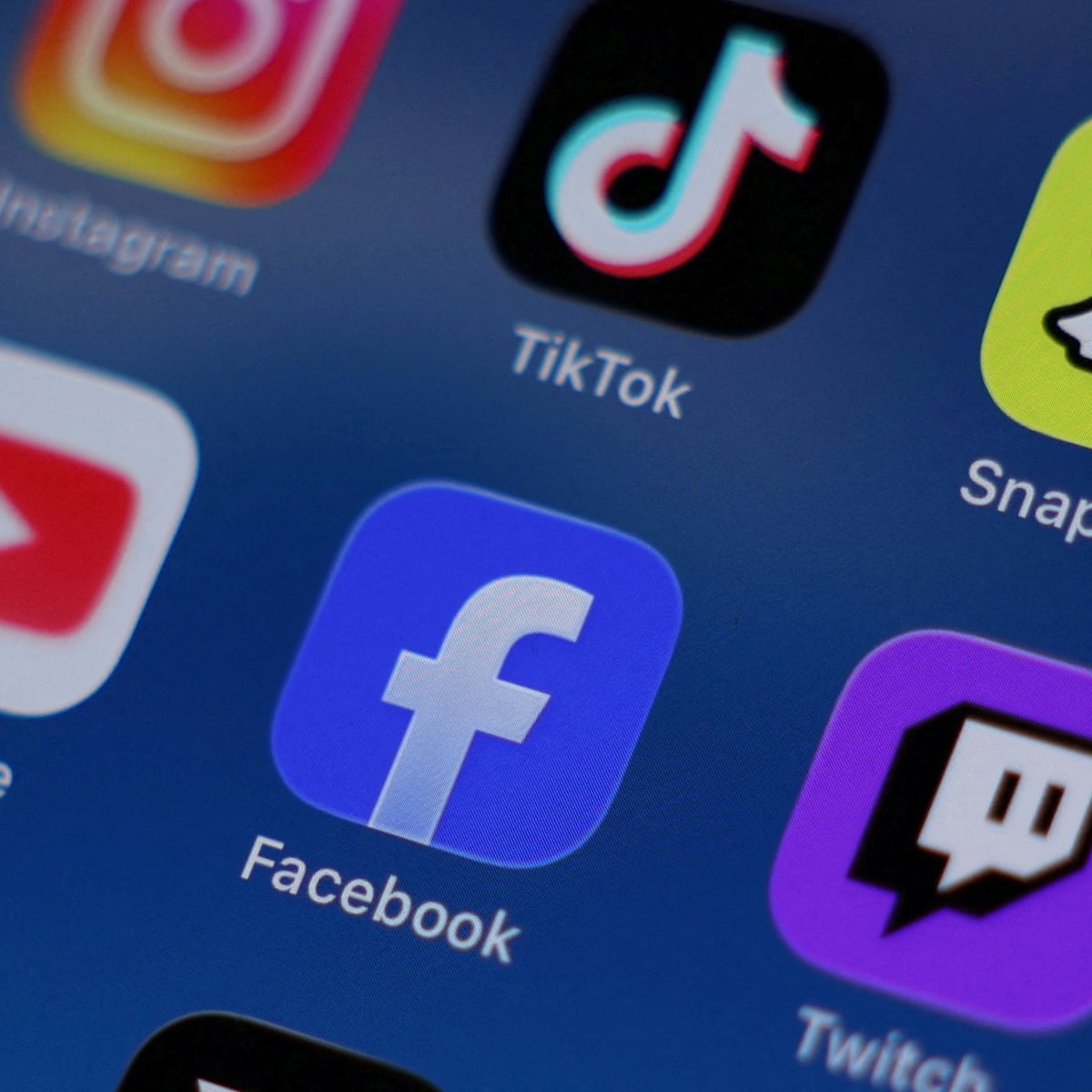
The upcoming UK social media ban targeting users under 16 is poised to shake up the digital advertising spend landscape. Announced to take effect early next year, this regulation is expected to reduce overall digital ad spend in the UK by an estimated £1.3 billion, according to forecasts from eMarketer. With platforms like YouTube, Instagram, Snapchat, and Facebook barred from targeting this demographic, brands and agencies are rapidly reevaluating their marketing strategies.
How the Ban Will Affect Brands and Platforms
The ban means millions of UK teenagers will no longer be reachable via traditional social channels. As a result, marketers must adapt their digital advertising spend to new platforms and formats. Research by Beano Brain, a kids and family insights agency, found that a third of seven- to 14-year-olds discover products through YouTube ads and influencers, while a quarter rely on TikTok and 22% are influenced by TV ads. With the new restrictions, advertisers are expected to shift budgets away from social media giants and toward alternatives such as streaming services and family-oriented television.
Helenor Gilmour, head of Beano Brain, highlighted the potential for streaming services to benefit most. “Netflix, Amazon Prime Video and Disney+ have ad-supported tiers now, and kids are flocking to those platforms. We’ll see a significant shift in digital advertising spend, with these services likely to capture much of the revenue previously allocated to YouTube,” she said.
Streaming Services and TV to Reap the Rewards
Since ad-supported streaming options launched, UK subscriptions with ads have ballooned to 27 million viewers, creating fresh opportunities for brands to reach young audiences. Family-friendly TV shows and live events, such as “I’m A Celebrity” and “Britain’s Got Talent,” are also expected to attract more advertising investment. James Kirkham, a brand strategist, believes the ban is a chance for brands to focus on “cultural cornerstones,” like sports or school partnerships, instead of relying solely on social feeds. He argues, “Advertising money doesn’t disappear—it just moves. The ban will encourage brands to find new, meaningful ways to connect with young people.”
Adapting to a More Regulated Environment
Advertisers targeting children have long navigated strict regulations. Ofcom’s 2006 junk food ad restrictions on children’s programming and the UK advertising watchdog’s more recent crackdown on unhealthy food promotions before 9pm or near schools have already shaped marketing tactics. Joseph Petyan, CEO of VML, notes, “Large advertisers are accustomed to operating in regulated environments. Building trust is essential, and a thoughtful approach to digital advertising spend will remain a priority.”
Facebook-owner Meta, Snapchat, and YouTube have voiced concerns about the ban, warning it could push teens toward unregulated platforms. However, eMarketer’s Bill Fisher predicts the initial impact on digital advertising spend will be sharp but temporary. “The biggest effects will be felt in the first year due to lower teen usage and advertiser caution, but growth should rebound as platforms adjust by focusing on adult audiences, creator-led discovery, and new commerce-driven ad formats,” Fisher explained.
Future Outlook for Digital Advertising Spend
While the UK social media ban will disrupt how brands reach younger audiences, it is unlikely to shrink marketing budgets in the long term. Instead, brands will reallocate their digital advertising spend to channels that still provide access to large, engaged youth and family audiences. Streaming services, family television, and contextual partnerships are all expected to see significant growth in ad investment.
As the digital advertising landscape evolves, marketers must stay agile, leveraging new technologies and platforms to make the most of their digital advertising spend. By focusing on trust, creativity, and compliance, they can continue to engage young consumers while navigating an increasingly regulated media environment.
This article is inspired by content from Original Source. It has been rephrased for originality. Images are credited to the original source.