

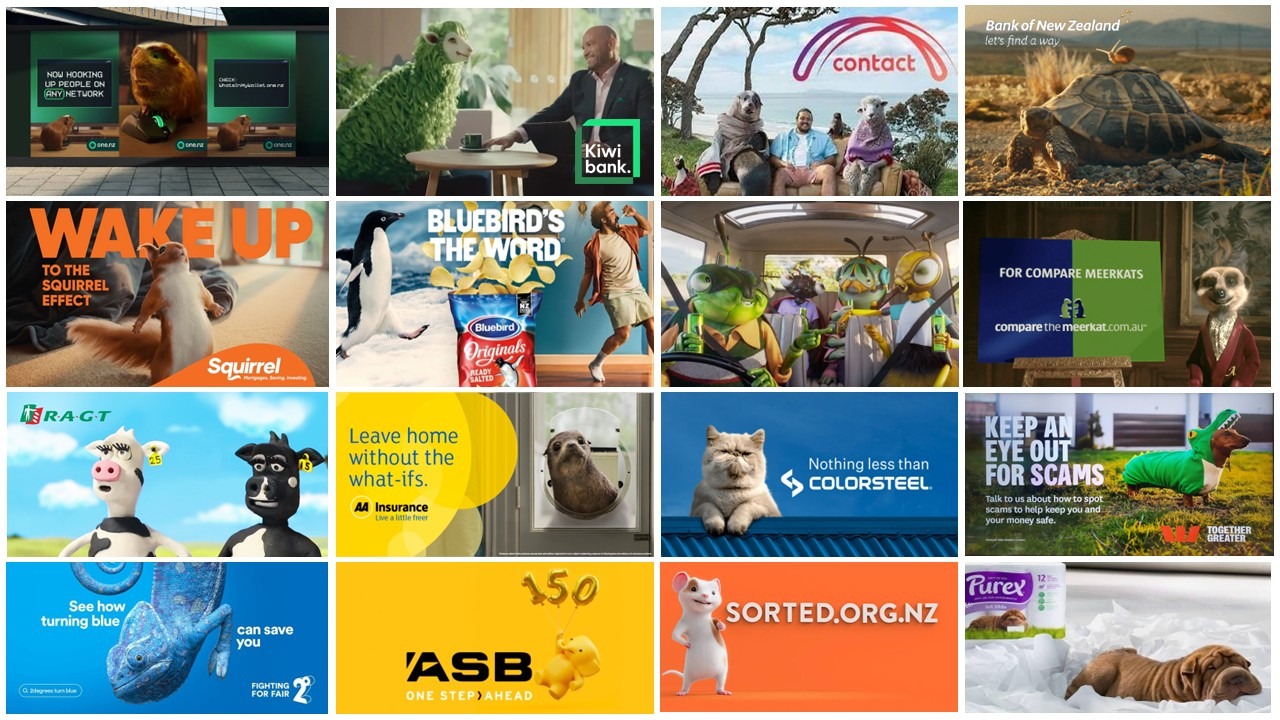
Animal Mascots: The New Face of Advertising
In recent months, a fascinating trend has emerged in New Zealand’s advertising landscape: animal mascots are making a bold comeback. Brands from various sectors are increasingly turning to animal characters to stand out in a crowded market. This resurgence of animal mascots in advertising is not only nostalgic but also strategically significant for brand identity and recall.
A Menagerie of Memorable Characters
From Kiwibank’s Buck the sheep and One NZ’s Simon the guinea pig to the AA’s Celia the seal and Westpac’s Crocodoggie, animal mascots are everywhere. Contact Energy has even introduced a quirky flat of animal housemates. Despite operating in different industries and targeting diverse audiences, these brands have collectively embraced the power of animal mascots in advertising. The trend feels more intentional than coincidental, signaling a broader shift in marketing strategies.
While animal characters are hardly new—think of iconic figures like Cookie Bear, Telecom’s Spot the dog, or National Bank’s black horses—they are once again taking center stage. These mascots have historically played a pivotal role in creating enduring brand memories. Now, they are reclaiming the spotlight, offering brands a fresh way to connect with consumers on an emotional level.
Why Brands Choose Animals Over Celebrities
The renewed focus on animal mascots in advertising can be traced to the rapidly changing marketing environment. Today’s consumers are bombarded with thousands of commercial messages daily, most of which are quickly forgotten. In this cluttered space, memory has become one of marketing’s most precious currencies. As the Ehrenberg-Bass Institute and System1 have long advocated, brands grow by being easy to notice, recognize, and recall. Professor Jenni Romaniuk refers to the cues that achieve this as distinctive brand assets: logos, colors, slogans, sounds, packaging, and increasingly, brand characters.
Unlike one-off campaigns, recurring characters grow in value over time. Every appearance of an animal mascot reinforces the association between the mascot and the brand, making it harder for competitors to imitate. The more these mascots appear across various channels—TV, social media, outdoor ads, or websites—the stronger their connection with the audience becomes.
The Unique Advantages of Animal Mascots
Animal mascots offer several unique advantages compared to human celebrities. They are expressive, emotionally engaging, and universally relatable. Animals transcend age groups and cultural boundaries, allowing brands to infuse humor, warmth, or personality without the risks associated with celebrity endorsements. Importantly, brands own these mascots entirely—they do not age, change employers, or demand ongoing fees. Nor do they present reputational risks that can arise with real-life ambassadors.
As marketing evolves with new technologies such as AI and virtual assistants, animal mascots become even more valuable. They can be animated, voiced, and adapted for any platform while retaining their core identity. This flexibility ensures that animal mascots in advertising remain a powerful and versatile asset for brands navigating the modern media landscape.
Building Lasting Brand Memories
The rise of animal mascots in advertising appears to be more than a passing fad. It reflects a shared marketing challenge in an increasingly fragmented media environment: the need for assets that build long-term memory, not just short-term attention. While creative campaigns can win fleeting moments of interest, memorable characters foster ongoing engagement and brand loyalty.
By investing in animal mascots, brands can create unique identities that stand out year after year. These mascots become synonymous with their respective brands, strengthening recognition and recall even as advertising channels and tactics evolve. As more companies embrace this approach, the advertising landscape becomes not only more playful but also more distinctive and memorable.
Conclusion: The Enduring Power of Animal Mascots
Whether the current wave of animal mascots in advertising will become a lasting marketing staple remains to be seen. However, the evidence suggests that these characters offer significant advantages in brand building, audience engagement, and long-term recall. In a world where attention is scarce and competition is fierce, animal mascots provide a timeless and effective solution for brands seeking to leave a lasting impression.
This article is inspired by content from Original Source. It has been rephrased for originality. Images are credited to the original source.