

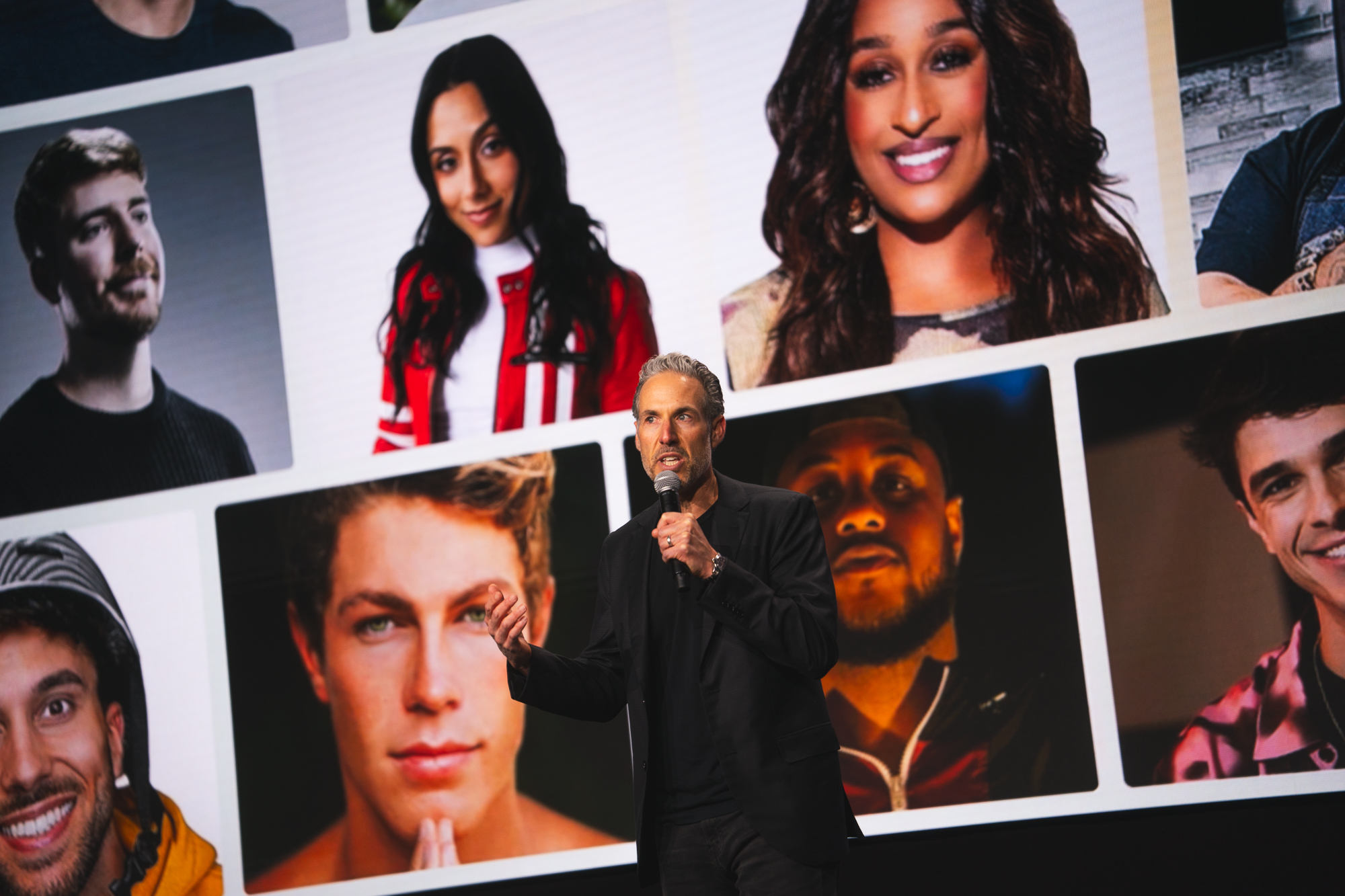
Influencer Marketing Set to Evolve in Late 2025
As 2025 progresses, influencer marketing continues to be a key component of brand strategies. With marketing budgets under pressure, advertisers are seeking creative, measurable, and culturally relevant influencer campaigns. Nearly a dozen industry insiders recently shared their predictions for what’s next in the influencer space during the second half of the year.
1. Influencers Will Drive Real-World Experiences
Brands are increasingly partnering with influencers to host in-person activations and events. These real-life experiences help foster deeper emotional connections between consumers and brands. As digital fatigue sets in, more marketers are investing in influencers who can create meaningful, in-person engagements that align with brand values.
These events aren’t limited to product launches—they also include pop-ups, meet-and-greets, and brand-sponsored panels. Influencers with a strong local presence or niche following are particularly valuable in creating these community-based experiences.
2. Performance Metrics Are Taking Center Stage
With increasing scrutiny on ROI, brands are demanding more than likes and shares. In the second half of 2025, performance-based influencer marketing is expected to grow significantly. Marketers want clear metrics like conversions, click-through rates, and customer acquisition costs tied directly to influencer campaigns.
This shift is leading to more affiliate-based compensation models and long-term partnerships where influencers are treated more like brand ambassadors than one-off collaborators. Companies are also using more sophisticated analytics platforms to track and optimize campaign success.
3. Cultural Relevance Will Be Key to Success
Brands are prioritizing influencers who have their finger on the pulse of culture. From music and fashion to social justice and digital trends, cultural fluency is becoming a critical trait for creators. Influencers who can contextualize brand messages within the cultural moment will stand out.
Marketers are also embracing a more inclusive and representative approach by working with creators from diverse backgrounds. This not only helps brands connect with wider audiences but also ensures authenticity and trust in their messaging.
4. AI and Virtual Influencers Are Gaining Traction
Advancements in AI technology are fueling the rise of virtual influencers—computer-generated personas with curated aesthetics and consistent engagement. While not new, virtual influencers are becoming more sophisticated and increasingly accepted by audiences.
These digital creators offer brands full control over messaging and imagery, making them attractive for campaigns where consistency and scale matter. Meanwhile, AI tools are also being used to match brands with ideal human influencers based on data-driven insights.
5. Social Commerce Will Reshape Influencer Strategy
Social platforms are doubling down on commerce tools, and influencers are playing a central role in this shift. Live shopping, shoppable posts, and integrated checkout features are making it easier than ever for creators to drive sales directly.
Influencers are becoming key sales channels, not just brand awareness tools. As platforms like TikTok Shop, Instagram Checkout, and YouTube Shopping evolve, creators who can effectively convert followers into buyers will become indispensable to brands.
Looking Ahead
The influencer marketing space is maturing quickly. As expectations rise, brands are placing greater emphasis on long-term partnerships, measurable results, and cultural savvy. The second half of 2025 promises to be a pivotal period in shaping how brands and influencers collaborate for deeper impact.
This article is inspired by content from Original Source. It has been rephrased for originality. Images are credited to the original source.