

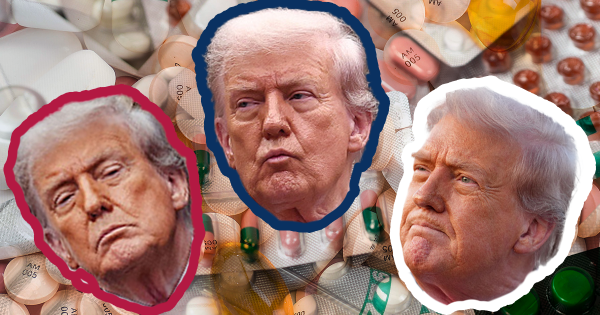
Trump Administration Cracks Down on Drug Advertising
The media and advertising industries may feel the impact of a new memorandum issued by former President Donald Trump, targeting pharmaceutical advertisements. The directive seeks to increase enforcement of existing regulations governing drug marketing, particularly direct-to-consumer (DTC) ads. It aims to bolster transparency, accuracy, and consumer protection in the pharmaceutical advertising space.
Under the new initiative, pharmaceutical companies will receive cease-and-desist or warning letters if they fail to comply with current advertising standards. These rules, which have been in place for decades, require that pharmaceutical advertisements do not mislead consumers and present a fair balance of information, including both benefits and risks associated with the drug.
Leadership and Oversight Roles Assigned
The memorandum designates prominent figures to lead the effort: Health and Human Services Secretary Robert F. Kennedy Jr. and Food and Drug Administration (FDA) Commissioner Marty Makary. While Kennedy has previously advocated for a complete ban on pharmaceutical advertising, the memorandum stops short of that, instead emphasizing stricter compliance and oversight.
One of the main goals is to ensure that drug advertisements are transparent and provide full disclosure of potential side effects and risks. This includes increasing scrutiny on how these ads are presented in digital and social media platforms, which often lack the rigor seen in traditional media placements.
Digital and Influencer Marketing Under the Microscope
As advertising increasingly shifts to digital platforms, the administration is paying close attention to how drugs are marketed online. Social media influencers, who frequently endorse pharmaceutical products, will also face stricter review. The memorandum questions whether these influencers provide adequate disclosures and whether their content complies with existing Federal Drug Administration (FDA) guidelines.
According to CNN, current regulations mandate that advertisements must not create a misleading impression and must offer balanced information about the drug. However, enforcement has been lax in recent years. In 2023, the FDA issued only one enforcement letter, and none so far in 2024, suggesting a significant gap in regulatory oversight.
Controversial Super Bowl Ad Sparks Debate
One recent example illustrates the concerns fueling this crackdown. During this year’s Super Bowl, a commercial by Hims & Hers promoting weight loss drugs aired without including adequate safety information. This omission drew criticism from lawmakers and consumer advocates, who viewed it as a blatant example of pharmaceutical companies skirting the rules.
“The Super Bowl ad is a textbook case of what’s wrong with current enforcement,” said one senior administration official. “It’s time to close these loopholes and ensure that consumers are fully informed.”
Rollback of 1997 Provision Proposed
In a significant move, the Trump administration plans to eliminate a 1997 provision that allows drug ads to present only a brief mention of side effects while directing viewers elsewhere for full disclosures. This rule has enabled pharmaceutical companies to produce shorter, more cost-effective commercials that fit neatly into standard TV ad slots.
Rolling back this provision would mean that all relevant side effects and risks must be included in the ad itself, a requirement that could fundamentally change how drug commercials are produced and aired.
“The Trump/FDA crackdown could make current DTC drug ads unworkable,” said Raj Leventhal, a healthcare analyst at eMarketer. “If enforced, this would revert regulations to pre-1997 standards, requiring every commercial to disclose comprehensive risk information. Given that most TV ads are under a minute, this could render the current ad format obsolete.”
Market Implications and Advertising Spend
Pharmaceutical advertising is a booming business. According to marketing intelligence firm WARC, ad spend in the sector has grown from $12.2 billion in 2015 to a projected $39 billion by 2025. Much of this growth was accelerated during the COVID-19 pandemic, as drug companies ramped up consumer-facing campaigns.
However, the proposed changes could have significant financial implications for both pharmaceutical companies and media outlets reliant on this advertising revenue. TV networks, in particular, may see reduced demand for shorter ad spots, while digital platforms could face increased regulatory scrutiny.
Future of Pharmaceutical Advertising
As the administration moves forward with this initiative, the future of drug advertising remains uncertain. While the memorandum does not ban pharmaceutical ads outright, its enhanced enforcement strategy signals a shift toward much stricter compliance. Companies will likely need to adapt quickly to avoid penalties and maintain their advertising privileges.
As regulatory bodies begin issuing more enforcement letters and potentially revising existing guidelines, the pharmaceutical industry will need to rethink its marketing strategies to align with the new expectations.
This article is inspired by content from Original Source. It has been rephrased for originality. Images are credited to the original source.