

The Rise of Experiential Marketing
As we look toward 2030, the advertising landscape is undergoing a profound transformation. Traditional ad formats—such as digital banners, TV spots, and social media placements—are gradually losing their effectiveness as consumers become increasingly immune to digital noise. Instead, brands are turning to experiential marketing to create meaningful connections with their audiences.
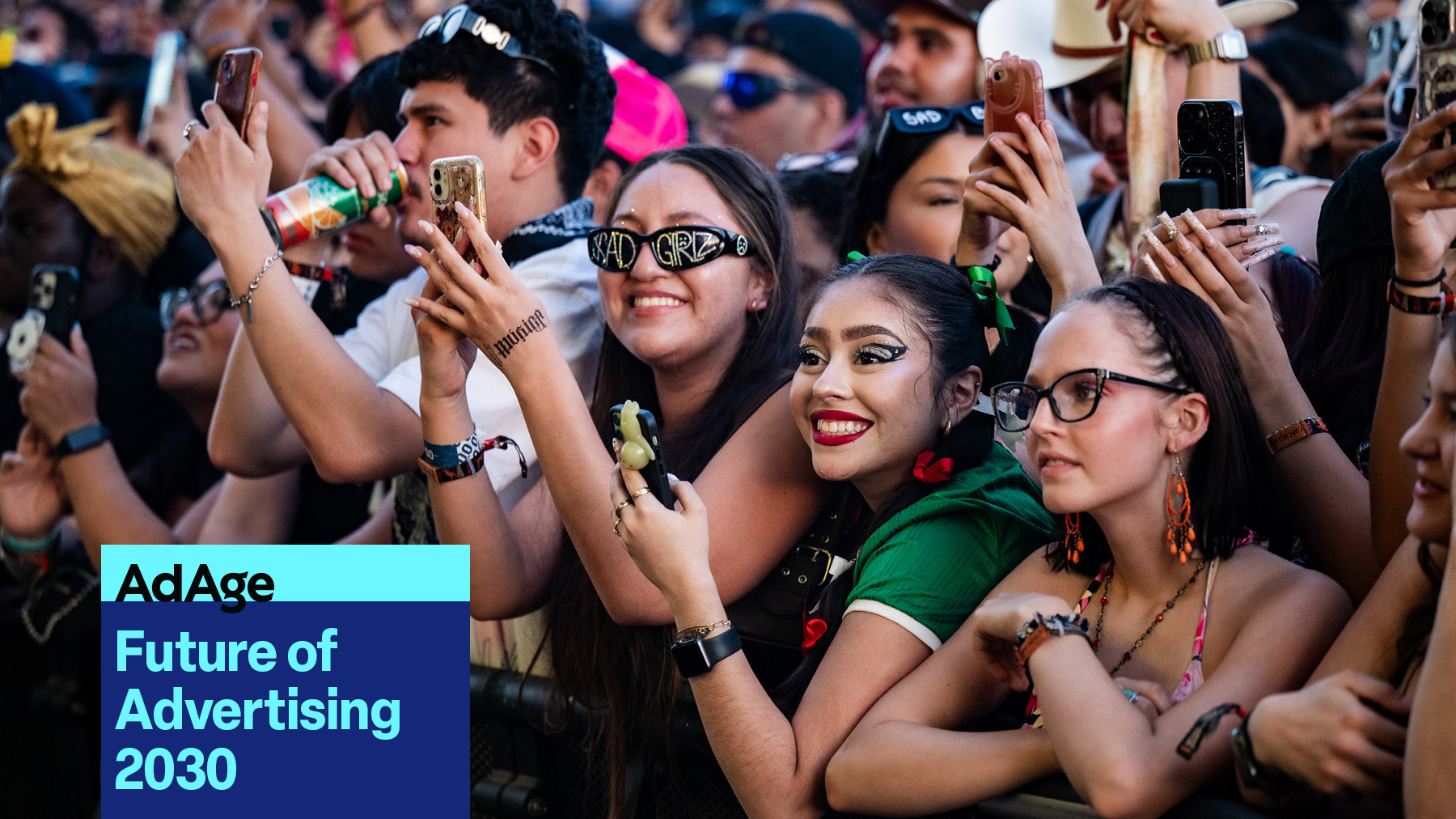
Major events like Coachella, Lollapalooza, and the US Open are no longer just entertainment platforms—they’re immersive brand showcases. At these venues, companies are not merely sponsors; they are part of the experience. This shift signifies a broader trend where brands become active participants in consumers’ lives, rather than passive promoters.
Why Experiences Outperform Traditional Ads
In a world oversaturated with ads, the most successful brands are finding new ways to stand out—not by shouting the loudest, but by creating genuine interactions. Experiential marketing allows companies to engage consumers in environments they choose to enter. These curated moments foster emotional connections that traditional advertising struggles to achieve.
According to marketing experts, people are more likely to remember a brand they’ve interacted with in a meaningful way. Whether it’s a pop-up installation, immersive VR experience, or a live brand activation, these encounters create lasting impressions. They also generate organic buzz, as attendees often share their experiences on social media, amplifying brand reach without additional ad spend.
Brands Leading the Charge
Companies like Procter & Gamble and Bayer Healthcare have begun reevaluating their advertising strategies. Amid growing concerns about accountability and cost-effectiveness in the ad tech sector, these brands are shifting focus toward more immersive, measurable experiences. By investing in events that evoke emotion and encourage participation, brands are achieving stronger customer loyalty and higher ROI.
At major festivals and sporting events, brands are integrating themselves into the fabric of the occasion. Instead of being background sponsors, they are becoming part of the story. This approach reflects a strategic pivot: rather than interrupting consumers, brands are inviting them in.
The Consumer’s Evolving Expectations
Today’s consumers, particularly Gen Z and millennials, crave authenticity and value. They are skeptical of hard-sell tactics and more responsive to experiences that reflect their interests and identities. As a result, brands must align their messaging with the values and lifestyles of their target audience.
Experiential marketing provides an avenue to do just that. It allows brands to demonstrate their relevance and commitment to shared values through live engagement. Whether it’s promoting sustainability through eco-friendly installations or celebrating diversity with inclusive events, the possibilities are endless—and impactful.
Technology’s Role in Immersive Engagement
Advancements in technology are also playing a significant role in the rise of experiential marketing. Augmented reality, virtual reality, and interactive installations are enabling brands to craft more personalized and memorable experiences. These tools allow for data-driven insights into consumer behavior, making it easier to measure impact and refine strategies.
For example, a VR booth at a music festival might transport users into a branded world that aligns with their interests. With the right tech, brands can track engagement, dwell time, and sentiment, offering a level of accountability that rivals digital metrics.
The Future of Advertising
As we approach 2030, the future of advertising will be less about persuasion and more about participation. Brands will need to offer something of value—be it entertainment, education, or community—to earn consumer attention. In this new paradigm, success hinges not on reach, but on relevance and resonance.
Experiential marketing isn’t just a trend; it’s a response to changing consumer behavior and expectations. It’s about meeting people where they are and providing experiences that matter. As more companies recognize this, the advertising world will continue to evolve in exciting, immersive directions.
This article is inspired by content from Original Source. It has been rephrased for originality. Images are credited to the original source.