

OpenAI’s Ambitious Ad Campaign Falls Flat
OpenAI recently launched its most expansive marketing campaign to date, aiming to connect ChatGPT with everyday users through a series of high-production advertisements. Despite the creative effort, new consumer research indicates the campaign is failing to make a meaningful impression.
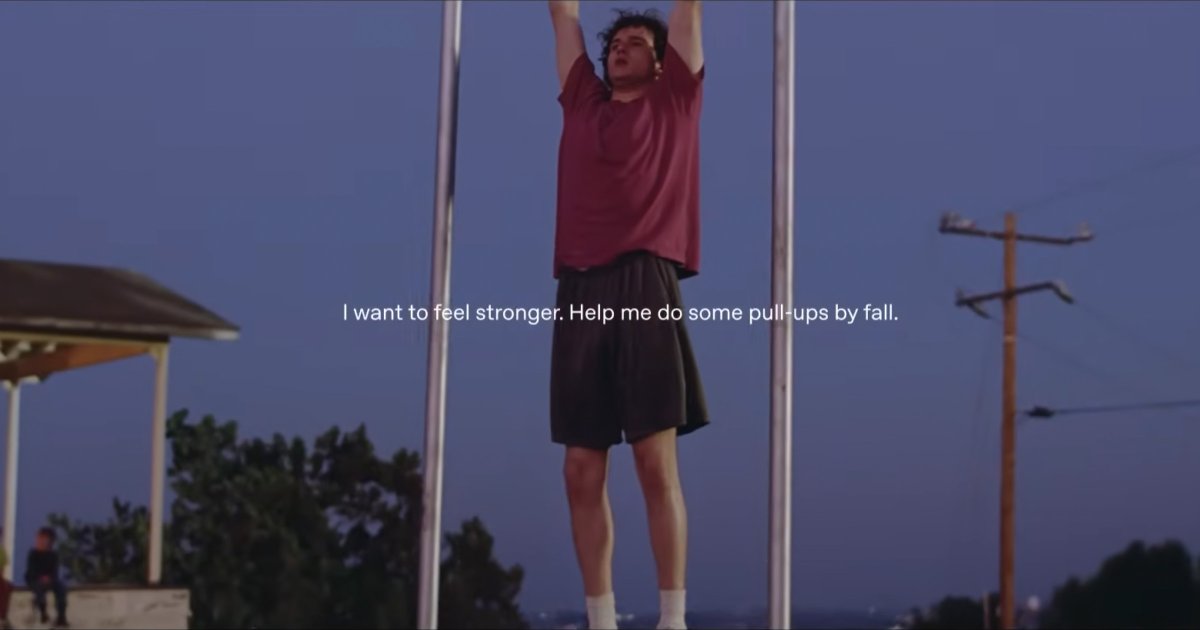
Two of the key ads from the campaign—“Dish” and “Pull Up”—are designed to showcase relatable moments enhanced by ChatGPT. In “Dish”, a young man seeks help impressing his date with a meal using the prompt: “I need a recipe that says ‘I like you, but want to play it cool.’” Meanwhile, “Pull Up” depicts another young man struggling at the gym, asking ChatGPT for motivational help.
The ads, which debuted during NFL Primetime, are part of a broad rollout planned through the end of 2025. They are airing across a mix of traditional and digital platforms including TV, streaming services, social media, outdoor advertising, and influencer campaigns in both the US and UK.
Consumer Research Reveals Poor Performance
Despite the campaign’s broad reach and polished production, its effectiveness appears sorely lacking. According to a report by Adweek, marketing research firm System1 tested the ads with a panel of US consumers. The findings were underwhelming, to say the least.
System1 used a proprietary tool to measure second-by-second emotional responses from viewers, based on a framework developed by University of California psychologist Paul Ekman. This framework includes universally recognized emotions such as happiness, surprise, sadness, fear, anger, disgust, contempt, and a neutral state.
The results placed both ads in the lowest fifth percentile for both long-term brand growth and immediate sales impact. According to the research, many viewers had difficulty identifying the brand being advertised until the ChatGPT logo appeared in the final seconds of each spot.
A Disconnect Between Technology and Humanity
This lack of brand recognition highlights a deeper issue for OpenAI: a growing struggle to connect with everyday consumers. While the company has achieved major technological milestones, its marketing efforts are not translating that innovation into emotional resonance with the public.
In a twist of irony, Adweek columnist Mark Ritson—who has previously collaborated with System1—asked ChatGPT itself to evaluate one of the ads. The AI model gave “Pull Up” a mediocre rating of 5 out of 10.
“Pull-Up is strategically on-brief and nicely made,” ChatGPT noted, “but it underweights distinctive assets and mid-ad branding, so it risks becoming a likeable, generic ‘AI-helped me’ story rather than a memorable ChatGPT ad that builds future sales.”
Visual Appeal Isn’t Enough
One area where the ads do succeed is in visual quality. Unlike many AI-generated promotional materials, these commercials feature real people and high-end cinematography. However, this aesthetic polish hasn’t translated into better performance metrics.
Despite their visual appeal, the ads fail to provide a compelling narrative or emotional journey that consumers can latch onto. This shortfall is particularly problematic in an industry where consumer trust and familiarity are paramount.
The campaign’s lackluster results serve as a stark reminder that even the most advanced AI companies must invest in understanding human behavior and emotional engagement to succeed in the consumer marketplace.
What This Means for OpenAI
OpenAI’s marketing misstep underscores a key challenge for the tech industry: converting technological prowess into relatable, human-centric messaging. While ChatGPT continues to grow in capabilities, its public image may suffer if these trends continue.
With the campaign scheduled to run through the end of 2025, OpenAI still has time to adapt its strategy. The company may need to rethink how it communicates the value of AI in everyday life and find a more authentic voice that resonates with a broader audience.
This article is inspired by content from Original Source. It has been rephrased for originality. Images are credited to the original source.