

5 Gum Reimagines Iconic Campaign Through Gen Z Lens
5 Gum, a brand under Mars Wrigley, is breathing new life into its classic “How It Feels to Chew 5 Gum” tagline by launching a bold, social-first campaign. The initiative, developed in collaboration with the creative agency Energy BBDO, features a 12-part content series crafted by Gen Z creators across platforms like TikTok, Meta, and YouTube. These videos aim to capture the intense sensory experience of chewing 5 Gum through quirky, overstimulating visuals and humor tailored to younger audiences.
Originally known for its cinematic TV ads that debuted in 2007, 5 Gum is now embracing digital storytelling and co-creation in a bid to engage a generation raised on smartphones and memes. The new campaign aligns with the brand’s overarching “Stimulate Your Senses” message but trades in sci-fi drama for internet-savvy absurdity.
From TV Commercials to Social Shorts
5 Gum’s early commercials were known for their high-concept, science fiction-inspired visuals, such as a man being blasted into a wind tunnel to represent peppermint’s cooling effect. These ads helped the brand carve out a distinct identity in the crowded chewing gum market. Over time, the tagline “How It Feels to Chew 5 Gum” even evolved into a popular meme, used online to depict euphoric or exaggerated sensations.
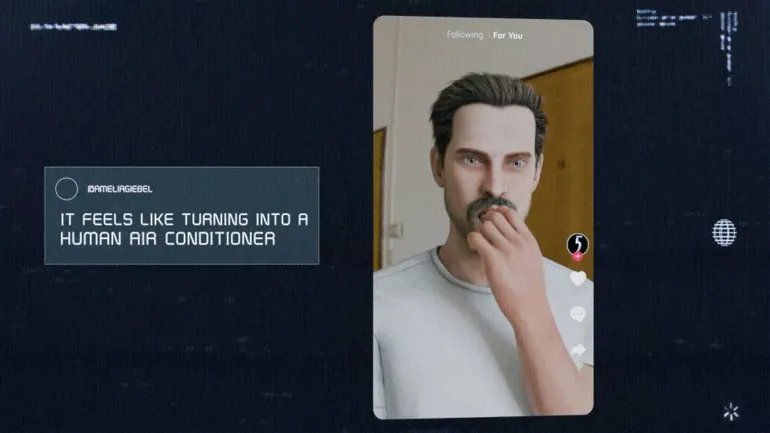
Now, the brand is modernizing this approach by tapping into Gen Z’s unique sense of humor and preference for user-generated content. The first three episodes of the new series are already live and include surreal scenarios such as a person transforming into a “human air conditioner” and a watermelon shattering reality upon impact. Another video, titled “Saturn Rings,” features a 3D animated character riding a giant ice pop into orbit, blending visual absurdity with sensory metaphor.
Leveraging Gen Z Creativity
By collaborating directly with TikTokers and other digital creators, 5 Gum is embracing the trend of co-creation, which has become a popular strategy for brands aiming to build authentic connections with Gen Z. The campaign not only highlights the creators’ talents but also amplifies user-driven content on a larger stage.
“Seeing how fans have brought their humorous, vibrant perspectives to life over the years has been nothing short of inspiring,” said Maria Urista, Vice President of Gum and Mints at Mars. “With this campaign, we’ve taken their creativity and put it on a bigger stage, turning their incredible ideas into content that’s as bold and refreshing as 5 Gum itself.”
Social-First Strategy and Cultural Integration
The social-first strategy marks a significant shift for 5 Gum, moving away from conventional advertising channels to focus on digital spaces where younger consumers spend their time. The campaign is designed to resonate with Gen Z’s appetite for humor, surrealism, and participatory content. Whether it’s a man whose mouth becomes an air conditioner or a rocket-powered ice pop, the goal is to make the viewer feel the exaggerated intensity of flavor that 5 Gum promises.
Marketing Dive has reached out to Mars Wrigley to determine whether the campaign will receive paid media support in addition to organic reach through social channels.
Expanding Gen Z Engagement
This campaign is part of a broader strategy by 5 Gum to connect with Gen Z through social media and pop culture. In September, the brand collaborated with the pop group Katseye on a sensory-inspired product line. The partnership included five unique items, such as a room spray and a limited-edition vinyl of the group’s “Beautiful Chaos” album, each designed to represent one of the five senses. Special gum packs also featured Katseye members, further cementing the brand’s commitment to youth-driven cultural moments.
By aligning with both music and digital creators, 5 Gum is positioning itself not just as a product but as a cultural touchpoint. The campaign serves as a case study in how legacy CPG (consumer packaged goods) brands can reinvent themselves for a new era, using humor, creativity, and collaboration as key ingredients.
This article is inspired by content from Original Source. It has been rephrased for originality. Images are credited to the original source.