

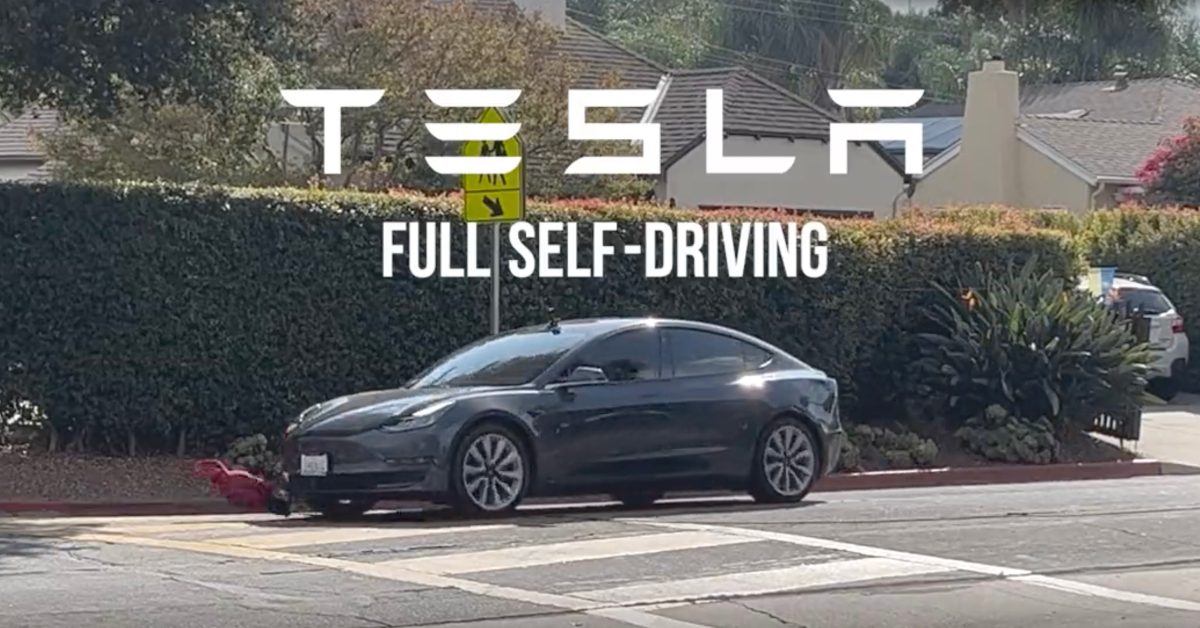
California Judge Finds Tesla Guilty of Misleading FSD Marketing
A California court has delivered a landmark ruling, determining that Tesla engaged in deceptive marketing practices related to its Full Self-Driving (FSD) system. The decision, announced Tuesday, could have serious implications for the company’s ability to operate in California, its largest U.S. market.
The ruling stems from a lengthy investigation by the California Department of Motor Vehicles (DMV), which began looking into Tesla’s marketing in 2021. The focus was whether Tesla’s promotional language misled consumers into believing their vehicles were fully autonomous when in reality they were not.
Years of Misleading Language Finally Addressed
Since 2016, Tesla has sold a Level 2 driver assistance system labeled as “Full Self-Driving,” a name critics have long argued is misleading. Despite its name, the system requires constant driver supervision and does not enable true self-driving capabilities.
The court found that Tesla’s use of terms like “Autopilot” and “Full Self-Driving” went beyond ambiguity and amounted to outright deception. While “Autopilot” was deemed misleading but not wholly false, the term “Full Self-Driving” was labeled “unambiguously false and counterfactual.”
“A reasonable consumer could interpret these terms to mean the car can operate autonomously without human intervention,” the judge wrote. “This is not the case, and Tesla’s continued use of these phrases has misled the public.”
A 60-Day Deadline to Comply
The court’s remedy allows the California DMV to suspend or revoke Tesla’s licenses to sell and manufacture vehicles in the state for 30 days. However, the DMV has provided the company a 60-day window to bring its marketing into compliance before enforcing such penalties.
The ruling specifies that Tesla must stop referring to its Level 2 system as “Full Self-Driving” or implying that its vehicles are capable of driving without human input. Additionally, Tesla must correct its marketing materials to reflect the system’s actual capabilities.
Legal and Legislative Pressure Mounts
This decision comes amid increased scrutiny of Tesla’s autonomous driving claims. The California legislature has already passed laws prohibiting automakers from exaggerating the autonomous capabilities of their vehicles. The court found that Tesla had said different things to the public and the DMV, fueling concerns about the company’s transparency.
In its defense, Tesla argued that its statements were aspirational and that no “reasonable person” would interpret Full Self-Driving to mean complete autonomy. The court rejected this argument, pointing to Tesla’s use of present-tense language in marketing materials, such as claims that the system could handle “short and long distance trips with no action required by the person in the driver’s seat.”
Potential Impacts on Tesla’s Operations
While Tesla maintains that “sales in California will continue uninterrupted,” the ruling opens the door for significant operational disruptions if the company fails to comply. Tesla’s Fremont factory, which produces around 500,000 vehicles annually and employs 20,000 workers, could be impacted if the DMV enforces a license suspension.
The court dismissed the option of financial restitution, stating that it was difficult to quantify the harm caused by the misleading practices. However, the ruling could influence ongoing lawsuits, including a class-action case alleging that Tesla misled customers regarding the capabilities of its FSD system.
A Broader Pattern of Deception?
This is not the first time Tesla has faced accusations of misleading its customers. The company has frequently shifted timelines for autonomous vehicle deployment, altered pricing and hardware requirements, and promoted the idea of a “Robotaxi” network that has yet to materialize.
Critics have long argued that Tesla’s marketing strategies have overpromised and underdelivered. Despite prior warnings, including from the SEC which required CEO Elon Musk to pre-screen public statements relevant to Tesla’s stock, misleading claims have persisted.
Whether Tesla will adjust its practices remains to be seen. The company has made minor changes to terminology, such as rebranding FSD to “Full Self-Driving (Supervised),” but the court found that more significant changes are necessary to avoid misleading consumers.
Next Steps: Will Tesla Comply?
With 60 days to revise its marketing, Tesla faces a crucial decision. If the company fails to comply, the DMV has the authority to suspend its dealer license, effectively halting car sales in California. This would be a major blow to Tesla’s business, given that California represents a significant portion of its U.S. market.
The court made it clear that without the threat of suspension, Tesla is unlikely to change its behavior. “Absent meaningful consequences, there is no incentive for Tesla to stop misrepresenting the capabilities of its vehicles,” the judge concluded.
As the deadline approaches, industry watchers and regulators alike will be monitoring Tesla’s response. This case could set a precedent for how autonomous driving technologies are marketed and regulated in the future.
This article is inspired by content from Original Source. It has been rephrased for originality. Images are credited to the original source.