

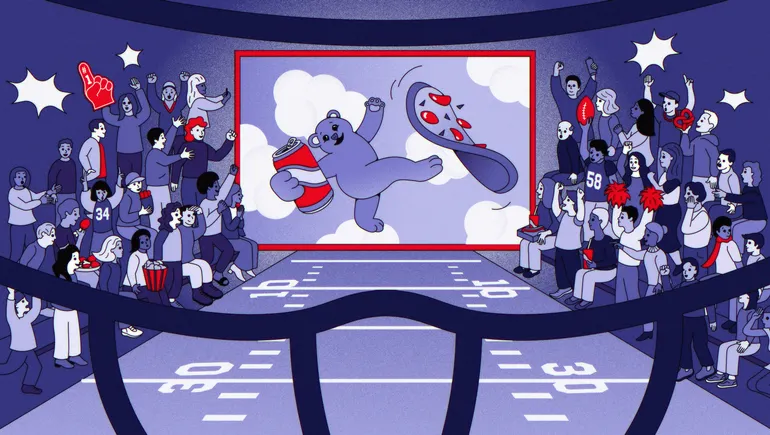
Super Bowl 2026: A Closer Look at Advertising Trends
The 2026 Super Bowl not only delivered an exhilarating game but also set the stage for one of the most competitive advertising landscapes in recent years. With 66 commercials aired—three more than in 2025—the big game once again proved to be the ultimate battleground for brands seeking national attention.
The cost of a 30-second ad remained steady at around $8 million, highlighting the continued premium brands are willing to pay for this coveted airtime. While prices didn’t increase from the previous year, brands maximized their investments with creative storytelling and celebrity endorsements.
Newcomers and Fan Favorites
This year saw a record 18 advertisers making their Super Bowl debut. Among them were tech-forward companies and wellness brands such as AI.com, Genspark, Liquid I.V., and Anthropic. Other new names included Pokémon, Ferrero, and Fanatics Sportsbook, signaling a diverse mix of industries entering the Super Bowl spotlight.
AI.com emerged as one of the biggest winners, generating 9.1 times the engagement compared to the median ad, according to metrics evaluating brand searches and app downloads. Universal Pictures followed closely with its “Minions” spot, achieving 9.09 times the median engagement.
Emotional Impact and Creative Direction
Compared to 2025, Super Bowl 60 ads were 9% less likely to amuse viewers, indicating a shift in tone. However, nostalgia-based advertising saw an uptick, rising 7% year-over-year, demonstrating that audiences are increasingly drawn to familiar emotional cues.
Celebrity appearances played a major role again this year. A total of 102 celebrities appeared across 39 ads, underscoring the entertainment value of star power in Super Bowl marketing strategies.
Top-Performing and Underwhelming Ads
USA Today’s Ad Meter ranked the top five and bottom five commercials based on viewer sentiment. While Budweiser’s “American Icons” stood out among the favorites, some campaigns failed to connect with audiences. Although detailed rankings weren’t disclosed, the sentiment analysis helped brands assess their creative impact more accurately.
Massive Social Media Engagement
Brands collectively amassed $550 million in earned media value on social media during and after the game, according to Sprout Social. The event generated a staggering 764 billion potential impressions and an engagement rate of 0.19%.
Pepsi emerged as the most mentioned brand with over 38,000 mentions, followed by Apple Music and Budweiser. Social chatter peaked at 9:30 p.m. ET when the Seattle Seahawks clinched the win, driving over 28 million engagements. Earlier in the evening, Bad Bunny’s halftime performance set the internet ablaze with 13.5 million engagements during his set.
In total, Bad Bunny’s halftime show smashed records, producing over 167 million engagements, far surpassing the 80 million generated by Kendrick Lamar’s performance in 2025, according to Dash Social.
Brand Sentiment and Industry Takeaways
Social sentiment data by brand showed varying degrees of success. While some advertisers reaped positive reactions, others faced criticism for creative missteps or tone-deaf messaging. The importance of aligning brand values with current cultural sentiments remains critical in high-stakes advertising moments like the Super Bowl.
In summary, Super Bowl 2026 affirmed the enduring power of the event as a marketing juggernaut. With new players entering the field, celebrities leading campaigns, and digital engagement reaching new highs, the game continues to evolve as a cultural and commercial phenomenon.
This article is inspired by content from Original Source. It has been rephrased for originality. Images are credited to the original source.