

Meta Introduces Adaptive Ranking Model for Instagram Ads
Meta has announced significant improvements to its ad serving program on Instagram, introducing a new Adaptive Ranking Model that leverages advanced technology to deliver more relevant ads while optimizing return on ad spend. This update highlights Meta’s ongoing efforts to enhance ad targeting and maximize the efficiency of its advertising platform.
How the Adaptive Ranking Model Improves Ad Targeting
The core of Meta’s update is the implementation of a sophisticated Adaptive Ranking Model. According to Meta, this model is designed to process a broader range of engagement signals from each Instagram user in real time. This means ad targeting becomes more personalized, ensuring users are shown promotions that align closely with their interests and behaviors.
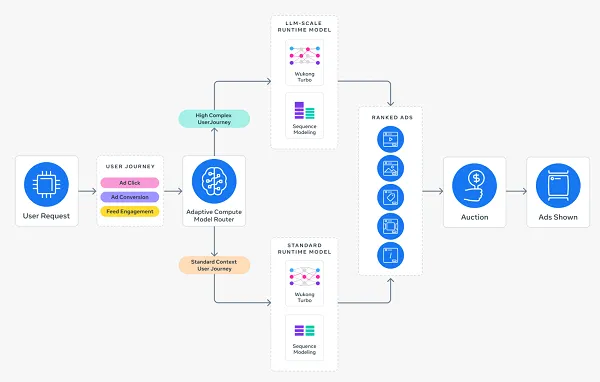
Traditionally, ad ranking systems require substantial computing resources, especially when processing vast amounts of user data and preferences. However, Meta’s new model intelligently manages computational load by allocating resources based on the sparsity of features and pruning unnecessary data. This results in a streamlined process that delivers more relevant ads without overburdening system resources.
Key Benefits for Advertisers and Users
Meta reports that since the launch of the Adaptive Ranking Model on Instagram in the fourth quarter of 2025, advertisers have seen a 3% increase in ad conversions and a 5% rise in click-through rates among targeted users. These improvements underscore the power of advanced ad targeting technology in boosting campaign performance and optimizing return on ad spend.
For Instagram users, the update translates to a more relevant and engaging ad experience. By harnessing large-scale processing similar to that used in Meta’s AI models, the system evaluates a wider array of engagement factors when selecting which ads to display. This ensures that each user’s unique interests and intents are considered, making the advertising experience less intrusive and more valuable.
Technical Innovations Behind the Update
On a technical level, Meta’s Adaptive Ranking Model employs intelligent request routing to match the complexity of the model with a deep understanding of user context and intent. The system uses advanced machine learning techniques, including LLM-scale intelligence, to optimize ad targeting decisions. Additionally, the model maximizes learning capacity within strict memory budgets by efficiently allocating embedding hash sizes and pruning unused embeddings.
These advancements have allowed Meta to process more user data in real time, leading to smarter, more responsive ad delivery. Meta continues to explore new methods to keep its ad models fresh and relevant, focusing on improved processing of engagement signals and ongoing enhancements to its algorithms.
Implications for Digital Advertisers
For brands and marketers, the improvements to Meta’s ad targeting tools offer clear benefits. More precise ad targeting means campaigns can reach audiences more effectively, driving higher engagement and better return on ad spend. As Meta refines its models, advertisers can expect an even greater alignment between their messaging and the interests of their target demographics.
With digital advertising becoming increasingly competitive, leveraging platforms that prioritize relevance and efficiency is essential. Meta’s continued investment in advanced ad targeting technology positions Instagram as a leading choice for brands aiming to maximize their digital marketing impact.
The Future of Ad Targeting on Social Platforms
Meta’s innovation with the Adaptive Ranking Model sets a new benchmark for ad targeting on social media. As machine learning and AI technologies evolve, platforms like Instagram are poised to deliver increasingly tailored and effective advertising experiences. This not only benefits advertisers seeking stronger ROI but also enhances user satisfaction by reducing irrelevant ads and surfacing content that resonates.
In conclusion, Meta’s latest update demonstrates its commitment to advancing ad targeting capabilities. With measurable improvements already reported, the Adaptive Ranking Model is set to play a pivotal role in shaping the future of digital advertising on Instagram.
This article is inspired by content from Original Source. It has been rephrased for originality. Images are credited to the original source.