

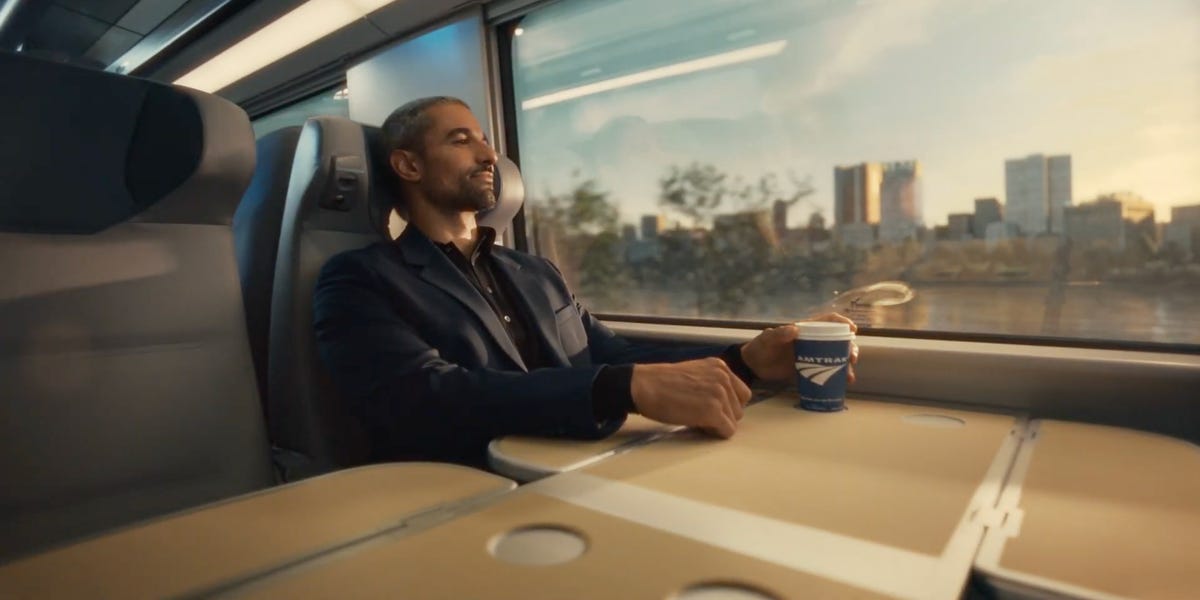
Amtrak Launches Playful Campaign Against Luxury Car Brands
In a bold move to shift the perception of train travel in the United States, Amtrak has unveiled a new marketing campaign that parodies luxury car advertisements. This fresh approach is designed to encourage travelers to consider the advantages of train travel over driving high-end vehicles. The Amtrak advertising campaign seeks to challenge the status quo, positioning the company as a modern, comfortable, and even aspirational alternative for commuters and leisure travelers alike.
Breaking the Mold: Train Travel Meets Luxury Car Aesthetics
Historically, luxury car brands have dominated TV screens and digital platforms with sleek, cinematic ads showcasing the thrill and prestige of driving. Amtrak’s new campaign flips this script. The ads mimic the signature style of luxury car commercials—complete with dramatic music, slow-motion shots, and sophisticated narration—but with a twist. Instead of highlighting leather interiors and horsepower, these ads highlight Amtrak’s spacious seating, scenic views, and onboard amenities.
This Amtrak advertising campaign is more than just a parody; it’s a strategic effort to tap into the emotions and aspirations that luxury car ads evoke. By placing its trains in the same aspirational context, Amtrak aims to reframe train travel as both a practical and desirable choice for a new generation of consumers.
Addressing Traveler Pain Points and Environmental Concerns
One of the central messages of the campaign is convenience. The ads emphasize the stress-free nature of train travel—no traffic jams, no parking woes, and no need to navigate busy highways. Instead, Amtrak offers comfort, Wi-Fi, and the ability to relax or work in transit. These benefits are juxtaposed against the hassles often associated with car travel, making a compelling case for switching modes of transportation.
Additionally, the Amtrak advertising campaign touches on environmental concerns. With an increasing number of travelers seeking sustainable options, Amtrak highlights the lower carbon footprint of train travel compared to car journeys. This angle is likely to resonate with eco-conscious consumers and younger generations who are prioritizing sustainability in their travel choices.
Targeting New Audiences with Humor and Relatability
Amtrak’s parody approach isn’t just about poking fun at luxury cars—it’s about breaking down barriers and reaching new audiences. The campaign uses humor and relatable scenarios to connect with viewers who may have never considered train travel before. By adopting the familiar tropes of luxury car ads, Amtrak ensures that its message is both memorable and shareable, increasing the likelihood of viral traction on social media platforms.
The Amtrak advertising campaign also aims to attract younger travelers, urban professionals, and families seeking alternatives to flying or long-distance driving. The company is investing in digital channels and influencer partnerships to ensure the campaign reaches diverse demographic groups across the country.
Early Results and Industry Reactions
While it’s still early days, the campaign has already generated significant buzz online. Marketing experts have praised Amtrak for its willingness to take creative risks and for tapping into cultural trends. Some industry analysts suggest that this fresh approach could help reposition Amtrak in a market where car culture has long been dominant.
The Amtrak advertising campaign is also being closely watched by other transportation brands, as it demonstrates how humor and cultural references can be leveraged to challenge entrenched perceptions. If successful, it could inspire similar creative strategies in sectors that have traditionally relied on more conservative advertising tactics.
The Future of Train Travel Marketing
Amtrak’s campaign comes at a time when the company is investing heavily in new trains, upgraded routes, and enhanced onboard experiences. By aligning its marketing with these improvements, Amtrak hopes to drive not just short-term ticket sales but long-term loyalty and brand transformation.
Ultimately, the success of the Amtrak advertising campaign will depend on its ability to convert curiosity into ridership. If it succeeds, it could set a new standard for how transportation brands engage with consumers—and prove that a little humor can go a long way in changing hearts and minds.
This article is inspired by content from Original Source. It has been rephrased for originality. Images are credited to the original source.