

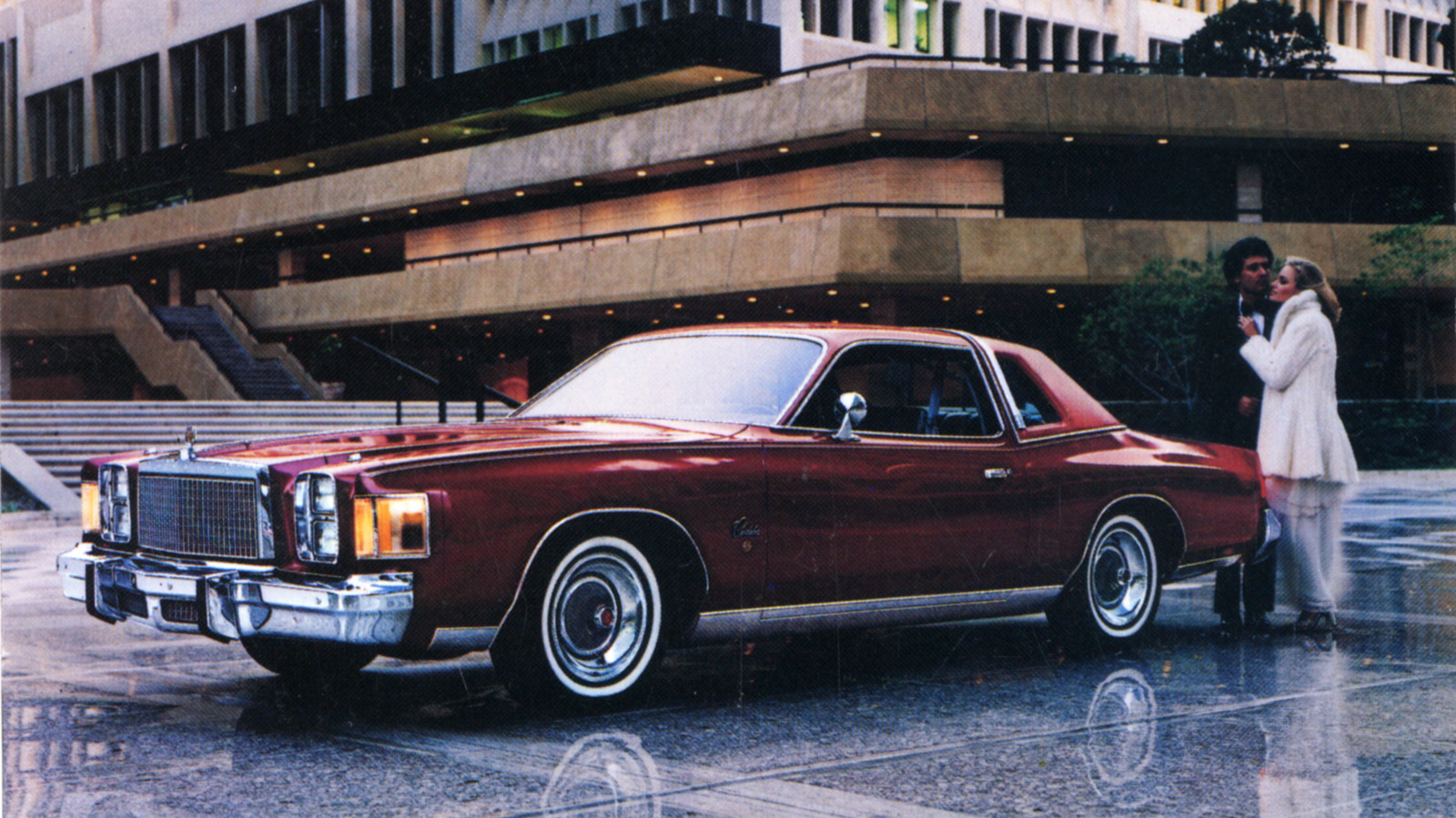
The Origins of Corinthian Leather
Corinthian leather marketing stands as one of the most memorable examples of how advertising can transform a simple product into a symbol of luxury. In the 1970s, Chrysler introduced the term “Corinthian Leather” to describe the upholstery in several of its models. While the phrase evoked images of ancient Greek luxury, the reality was far less exotic. The leather itself was produced by the Radel Leather Manufacturing Company in Newark, New Jersey, and was of decent but unremarkable quality. Yet, with the right marketing, it became synonymous with automotive opulence.
The Power of a Name in Advertising
Automakers frequently compete to brand their features with catchy, unique names that set them apart. In the case of Corinthian leather marketing, Chrysler’s adoption of a name that had no real connection to Corinth or any special manufacturing technique proved to be a stroke of genius. The name sounded exotic, and that was enough to spark the imagination of consumers. Chrysler was not alone in this tactic—other brands, such as Häagen-Dazs, have also relied on elegant-sounding names to create a sense of exclusivity and quality, regardless of the product’s origin.
Chrysler’s Collaboration with Bozell and Ricardo Montalbán
The success of Corinthian leather marketing was not just in the name itself, but also in the execution of the advertising campaign. Chrysler partnered with Bozell, the creative agency behind legendary campaigns like “Got Milk” and “Pork, the other white meat.” Together, they selected acclaimed actor Ricardo Montalbán as the spokesperson. Montalbán’s smooth voice, charming accent, and remarkable presence became inextricably linked to the idea of Corinthian Leather. His commercials ran for over a decade, embedding the term in popular culture and elevating Chrysler’s reputation for luxury.
Montalbán’s iconic delivery, referring to the upholstery as “rich Corinthian leather,” made the phrase unforgettable. Even after the truth behind the term was revealed—most notably when Montalbán admitted on national television that the phrase meant nothing—the allure remained. The marketing campaign had worked so well that the association between Chrysler and luxury leather was firmly established in the minds of consumers.
Corinthian Leather in Pop Culture
Over the years, Corinthian leather marketing has become a pop culture staple. The term has appeared in television shows, movies, and even other companies’ advertisements. For example, a Coca-Cola commercial referenced a “Corinthian Leather couch,” and “The Sopranos” featured a character trying to sell a jacket made from the supposedly luxurious material. Even animated series like “Archer” have poked fun at the phrase, showcasing its lasting impact.
Chrysler further reinforced the brand’s luxury image by adding adjectives such as “fine,” “rich,” and “soft” to descriptions of Corinthian Leather. This variation in language helped maintain consumer interest and avoid repetition, ensuring the phrase remained fresh and desirable over many years.
The Enduring Legacy of Corinthian Leather Marketing
Despite its humble origins, Corinthian leather marketing remains a masterclass in branding and advertising. The term was initially used for the Chrysler Cordoba but eventually made its way into other models, including the Chrysler New Yorker. In a now-famous ad for the New Yorker, Ricardo Montalbán once again promoted the luxury of Corinthian Leather, cementing the phrase’s place in automotive history.
What made the campaign so effective was not the actual quality of the product, but the perception created through strategic messaging. Before the era of instant online fact-checking, consumers relied on the authority of television ads and charismatic spokespeople. This allowed brands like Chrysler to shape public perception with creative language and memorable marketing tactics.
Conclusion: The Lasting Impact of a Clever Campaign
The story of Corinthian leather marketing highlights the incredible power of branding and advertising in shaping consumer perceptions. By crafting an elegant-sounding name and pairing it with a charismatic spokesperson, Chrysler convinced Americans that their cars offered something truly special. Even today, the phrase “Corinthian Leather” remains synonymous with luxury, proving that in marketing, perception is often more powerful than reality.
This article is inspired by content from Original Source. It has been rephrased for originality. Images are credited to the original source.