

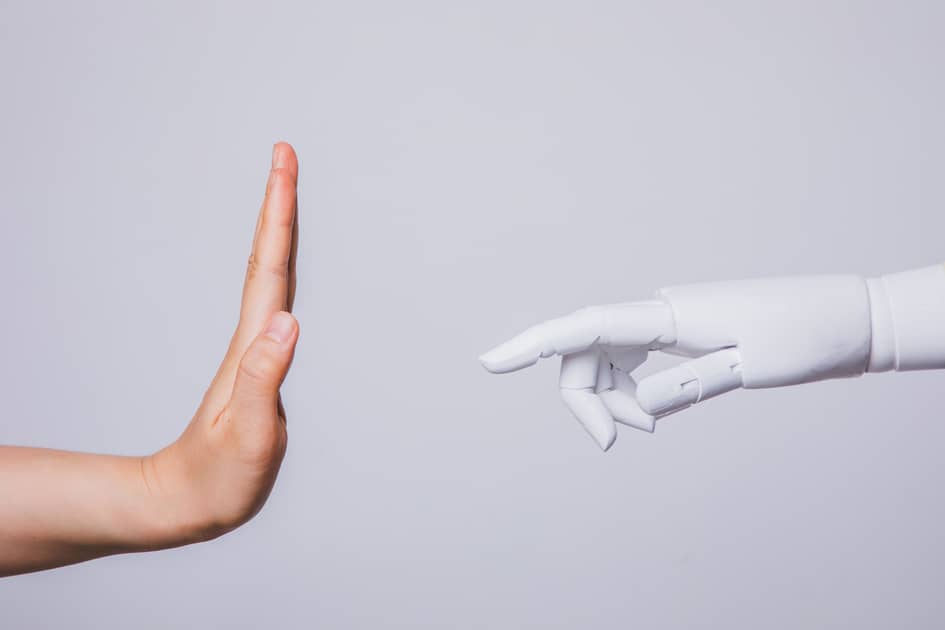
Growing AI Fatigue Among Consumers
AI-generated advertising is facing a significant backlash from consumers worldwide, according to recent research. As artificial intelligence becomes a mainstay in the advertising industry, a new poll conducted by The Harris Poll, 4As, and Infillion reveals that more than two-thirds of global consumers perceive AI as primarily a “marketing ploy,” potentially harming the reputations of brands that openly promote their AI usage.
The survey, shared during the Cannes Lions Festival of Creativity, highlights a rising tide of AI fatigue. A striking 78% of respondents feel that AI makes advertisements “less authentic,” and the same percentage considers brands “cringey” when they overuse AI in their marketing.
Negative Sentiments Toward AI-Generated Ads
The skepticism extends directly to AI-generated advertising. Nearly two-thirds (63%) of consumers say they would be less likely to purchase from brands utilizing AI-created ads. Moreover, 73% of respondents reported being less likely to trust advertisements they suspect were made by AI, underscoring a major trust gap between brands and their audiences.
This widespread unease reflects broader fatigue with the constant promotion of artificial intelligence. Over half (54%) of consumers admit to feeling annoyed by the sheer volume of AI-related messaging, while 65% express a desire for brands to stop mentioning AI altogether in their marketing materials.
AI’s Expanding Role in Industry Practices
Despite these consumer concerns, the use of AI-generated advertising continues to grow among industry professionals. According to the same Harris Poll research, more than half (56%) of advertising professionals report using AI for idea generation and conceptualization, and about half utilize it for creating visual assets. Fewer, approximately four in ten, rely on AI for tasks such as copywriting, audience targeting, personalization, and media planning.
At the same time, references to AI in marketing content are soaring. Sensor Tower data reveals a double-digit increase in ads featuring AI-related terms across various sectors, including health and wellness, financial services, and media. The phrase “AI-powered” is especially prevalent in app descriptions, indicating that brands are eager to highlight their tech-savvy credentials—even as consumers grow weary of such messaging.
Brand Strategies: Embracing or Rejecting AI
Major brands are divided in their approaches to AI-generated advertising. Companies like Coca-Cola have embraced the technology, creating AI-generated holiday campaigns that have sparked both interest and controversy. Svedka, meanwhile, used AI to animate robots for its first-ever Super Bowl ad earlier this year.
However, some brands are responding to the growing AI fatigue by leaning into authenticity. Apple, for example, has shifted focus to emphasize handcrafted advertisements, offering behind-the-scenes looks at artisanal creation. Others, such as Almond Breeze and Equinox, have adopted a semi-ironic tone, playfully mocking AI in their campaigns to highlight the genuine, human aspects of their products and services.
The Future of AI-Generated Advertising
The findings point to a critical juncture for marketers: while AI-generated advertising offers undeniable efficiencies and creative possibilities, consumer trust is at risk. Marketers must strike a careful balance between leveraging AI’s capabilities and maintaining the authenticity that audiences crave.
As AI tools become more embedded in the creative process, brands should consider how overt references to artificial intelligence may impact their reputation and customer loyalty. The data suggests that subtlety, transparency, and a renewed focus on human creativity may prove essential for building trust in the age of automation.
This article is inspired by content from Original Source. It has been rephrased for originality. Images are credited to the original source.