

The Rise of AI in User-Generated Content
Artificial intelligence is transforming the landscape of digital marketing by introducing a wave of synthetic user-generated content (UGC). This major shift is allowing e-commerce brands and advertisers to create realistic video testimonials and promotional content in mere minutes—dramatically cutting costs and speeding up campaign timelines.
Tools such as Creatify and MakeUGC are at the forefront of this revolution. These platforms empower marketers to generate high-quality, AI-powered testimonial videos that rival traditional UGC. This development presents a direct challenge to human creators who typically charge between $300 and $800 per clip.
Massive Growth in AI Marketing Revenue
The impact of AI-generated content is already being felt across the industry. According to Fibre2Fashion, global revenue from AI-driven marketing is projected to reach $107 billion by 2028. Additionally, a staggering 93% of marketers report faster content production thanks to these advanced technologies.
Major brands are taking notice. Companies like Unilever are now leveraging AI to remix influencer videos, achieving billions of impressions at a fraction of the traditional cost, as noted by Mintly Blog. This approach is enhancing campaign efficiency while maintaining a level of authenticity that resonates with audiences.
Speed and Cost Efficiency Redefined
One of the most compelling aspects of AI-generated UGC is its speed. On the social media platform X (formerly Twitter), digital marketer MAX (@maxxmalist) demonstrated how an AI-generated ad could be created in under 30 seconds. He emphasized the end of the traditional UGC pricing model, stating, “If you’re still paying $300–$800 per video… that era is dead — AI is already coming for the UGC market.”
This rapid production capability translates into measurable business benefits. According to Fibre2Fashion, optimized AI-generated creatives offer a 72% higher return on ad spend, making them a powerful tool for marketers aiming to maximize ROI.
Balancing Automation With Authenticity
Despite its advantages, AI-generated UGC is not without controversy. One of the biggest challenges facing marketers is maintaining a sense of authenticity. Research from August Ash reveals that 92% of consumers trust genuine UGC over brand-created advertisements. However, AI-generated content must skillfully mimic human nuances to remain effective and undetectable.
Alarmingly, 50% of shoppers can identify synthetic content, which often leads to disengagement. As marketers continue to integrate AI into their strategies, they must find ways to merge technological efficiency with emotional resonance to retain consumer trust.
Leading Brands Embrace the Hybrid Model
Brands are responding to these concerns by blending AI tools with human input to create hybrid content models. Companies such as Amazon and Unilever are leading the charge, experimenting with AI-human collaborations that maintain authenticity while benefiting from reduced costs and increased output.
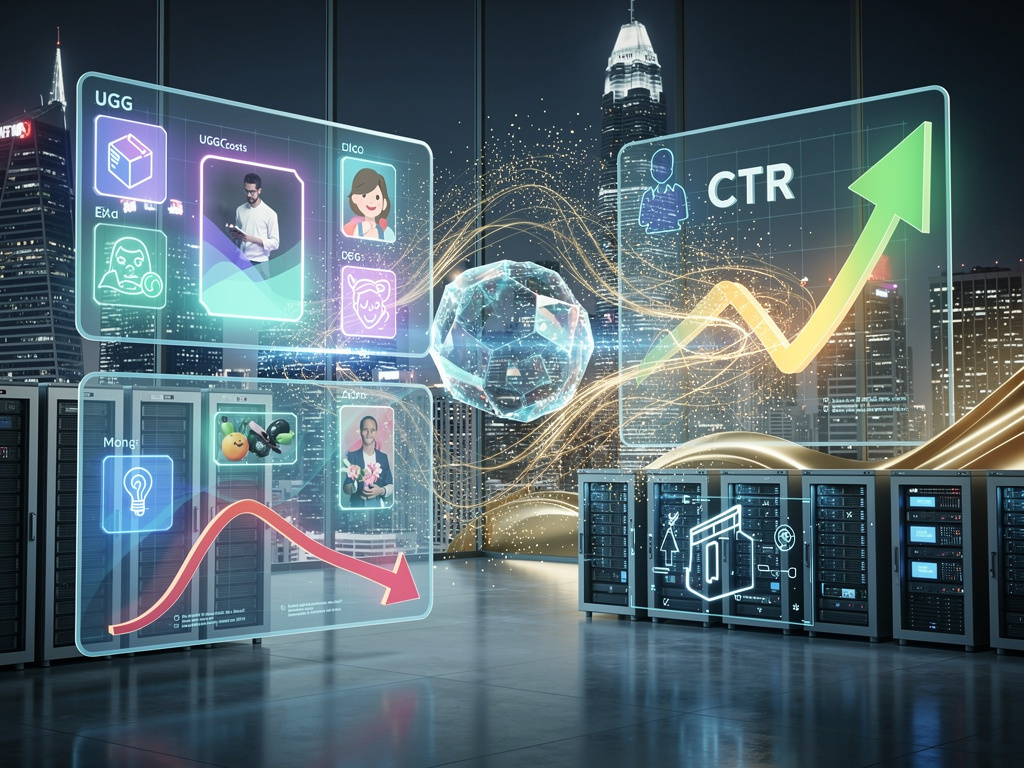
According to Meta, these hybrid strategies have proven to be highly effective. AI-generated UGC can reduce ad costs by up to 96% and boost click-through rates by as much as 130%. These results demonstrate that when executed thoughtfully, AI-powered content can outperform traditional methods while addressing consumer expectations for authenticity.
The Future of AI in Marketing
As AI continues to evolve, it’s poised to play an even larger role in the future of marketing. The integration of machine learning, natural language processing, and generative media tools is enabling brands to create more personalized, data-driven content at scale.
However, the growing prevalence of synthetic media also underscores the need for industry standards and regulations. As consumers become more adept at identifying inauthentic content, marketers must prioritize transparency and ethical use of AI to maintain brand integrity and trust.
Ultimately, the success of AI-generated UGC will depend on its ability to balance efficiency with human-like storytelling. Brands that master this equilibrium will be well-positioned to thrive in the next era of digital marketing.
This article is inspired by content from Original Source. It has been rephrased for originality. Images are credited to the original source.