

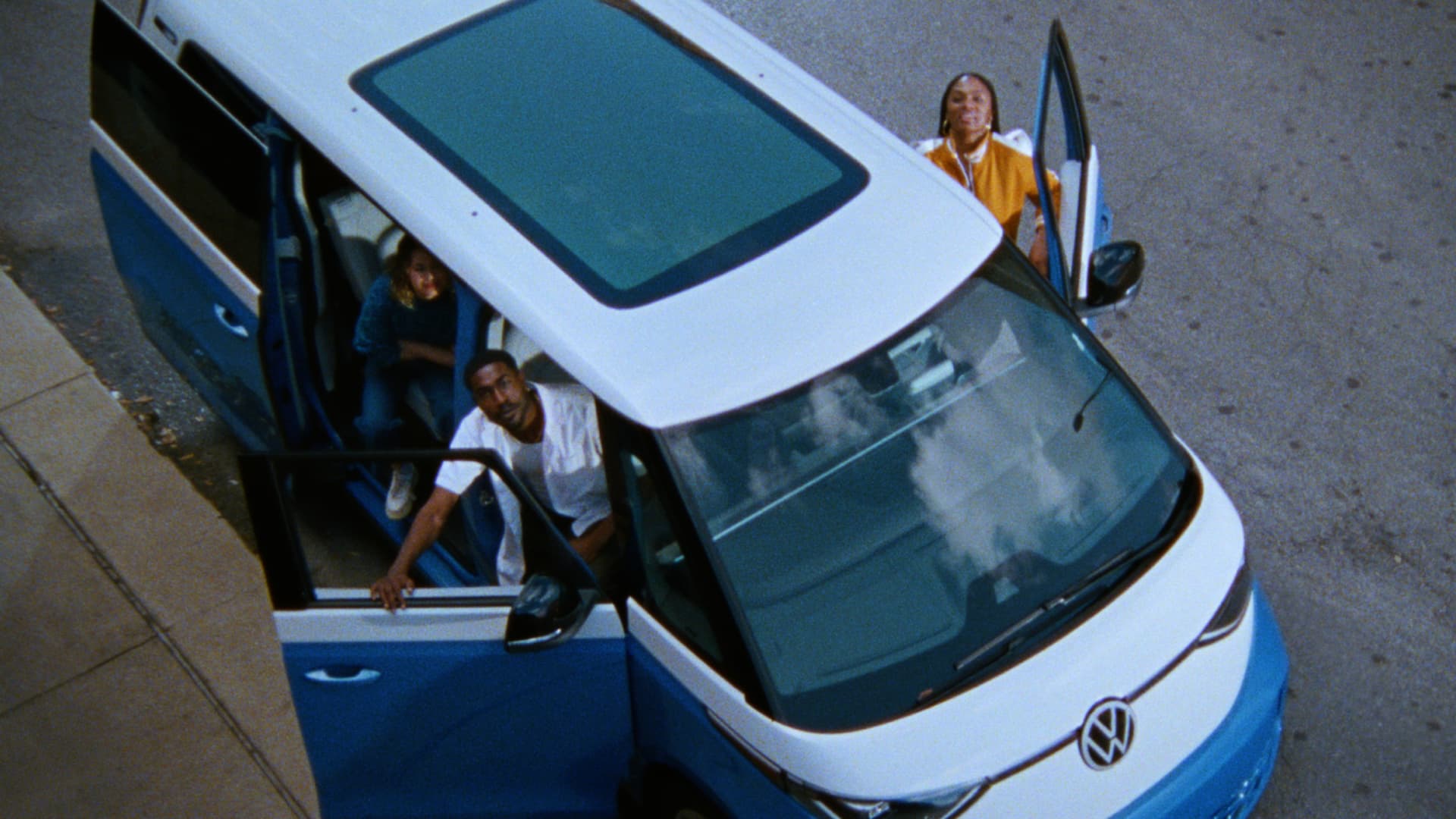
Automakers Pull Back from 2026 Super Bowl Advertising
Major auto manufacturers are noticeably absent from this year’s Super Bowl advertising lineup, reflecting a broader sense of caution and uncertainty in the U.S. automotive industry. Brands such as General Motors, Toyota, and Volkswagen, which have historically been high-profile advertisers during the big game, are opting out of the expensive commercial slots in 2026.
Shifting Priorities in a Volatile Market
According to industry insiders, the decision to skip Super Bowl commercials stems from a combination of economic pressures, shifting consumer behavior, and changing priorities within the automotive sector. As companies reassess their marketing strategies, the $7 million price tag for a 30-second Super Bowl spot is being viewed as less justifiable in the current climate.
“We’re focusing on more targeted campaigns that generate measurable ROI,” said a spokesperson for one major automaker. “The Super Bowl offers unmatched reach, but the cost-benefit ratio no longer aligns with our current goals.”
Economic Headwinds and Cost Concerns
Industry challenges such as rising tariff costs, supply chain disruptions, and increasing production expenses are also contributing factors. General Motors, for instance, is bracing for up to $4 billion in tariff-related expenses, prompting the company to reevaluate its marketing expenditures. Despite planning to surpass Ford in U.S. vehicle production this year, GM is tightening its overall budget.
Similarly, other manufacturers like Stellantis and Toyota are dealing with reduced margins and uncertain consumer demand, particularly in the electric vehicle (EV) market. This financial pressure has led many to adopt a more conservative stance in areas such as advertising.
EV Market Dynamics Impact Strategy
The evolving EV landscape plays a significant role in this shift. Automakers are navigating a complex environment where early enthusiasm for electric vehicles is being tempered by concerns about charging infrastructure, vehicle range, and affordability. The result is a more cautious approach to EV marketing, especially in high-cost venues like the Super Bowl.
“EV realism is setting in,” said an analyst at a leading automotive research firm. “Consumers want electric vehicles, but only if they’re practical and affordable. Automakers are recalibrating their messaging to reflect that.”
Past Super Bowl Successes and Present Reversals
Historically, Super Bowl ads have been a major platform for automakers to unveil new models, highlight brand values, or tout technological advancements. Memorable spots from previous years featured star-studded casts, cinematic storytelling, and bold declarations about the future of mobility.
However, this year’s silence from the auto sector marks a stark contrast. Marketing experts believe this could indicate a broader trend, not just a temporary pullback. The reduced automotive presence may open the door for other industries—such as technology, entertainment, and retail—to dominate the advertising landscape during the game.
Automakers Exploring Alternative Marketing Channels
Rather than investing in a single, high-stakes broadcast moment, many automakers are turning to digital platforms, influencer partnerships, and experiential marketing. These strategies offer greater flexibility, better audience targeting, and more precise performance metrics.
“It’s not about spending less—it’s about spending smarter,” said a marketing executive at a leading automaker. “Digital campaigns allow us to reach consumers where they are and tailor messages to specific demographics.”
Industry Uncertainty Drives Conservative Tactics
The decision to sit out the Super Bowl is emblematic of a broader mood within the automotive industry. With global economic volatility, regulatory shifts, and changing consumer preferences, carmakers are prioritizing adaptability and financial prudence.
Executives are increasingly adopting a wait-and-see approach, hoping for market stabilization while preparing for potential downturns. This cautious mindset extends to all areas of operation, including advertising and promotional efforts.
A Turning Point for Auto Advertising?
As the industry grapples with transformation, the 2026 Super Bowl may be remembered as a turning point in how automakers approach large-scale advertising. While some may return to the big game in future years, others could permanently shift away from traditional broadcast campaigns in favor of more agile and cost-effective methods.
“We’re not saying ‘never again,’” said one executive. “But for now, we’re being strategic. The Super Bowl just doesn’t make sense for us this year.”
Whether this trend continues will depend on a variety of factors, including economic recovery, consumer confidence, and the pace of innovation in the mobility sector. For now, viewers tuning into the biggest game of the year should expect fewer car commercials and more variety from other sectors.
This article is inspired by content from Original Source. It has been rephrased for originality. Images are credited to the original source.