

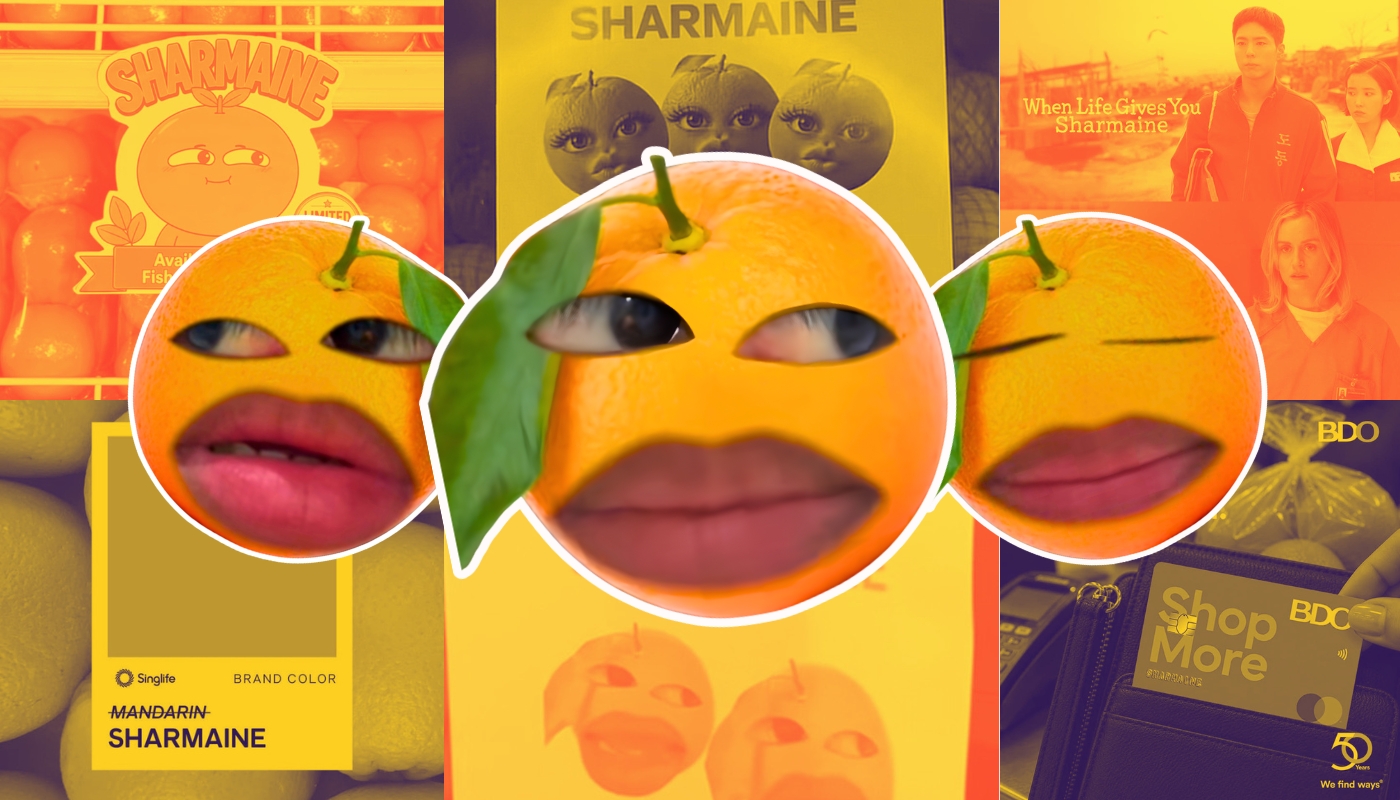
Introduction: The Rise of Brainrot Marketing in the Philippines
In recent years, brainrot marketing has emerged as a surprising force in the Philippine advertising landscape. With the growing influence of platforms like TikTok, brands are leveraging viral humor and meme culture to capture the attention of Gen Z and millennial consumers. The trend, characterized by absurdist, self-aware content, is transforming how brands interact with audiences and redefine engagement in the digital age.
What is Brainrot Marketing?
At its core, brainrot marketing refers to the use of intentionally chaotic, humorous, and seemingly nonsensical content to create memorable brand moments. These campaigns often embrace internet slang, viral audio tracks, and unconventional storytelling. Instead of polished advertisements, brands create content that feels spontaneous, relatable, and shareable—often blurring the line between brand and meme.
The Philippine Context: Sharmaine the Orange and More
Philippine brands have quickly embraced this trend. Mascots like Sharmaine the Orange and Melanie the Avocado have become icons, not just for their products but for their ability to participate in viral challenges and trends. These brand characters interact with audiences through TikTok skits, comedic duets, and even self-deprecating humor—techniques that resonate with a generation raised on meme culture. By adopting brainrot marketing tactics, these brands connect with consumers in a way that feels authentic and entertaining.
The Algorithm Advantage: Why It Works
One reason brainrot marketing is so effective is its alignment with TikTok’s algorithm. The platform rewards content that is engaging, surprising, and prompts interaction. Brainrot-style videos often get high engagement rates because they are unpredictable and encourage viewers to share or comment. This virality gives brands greater reach at a lower cost compared to traditional campaigns.
Consumer Engagement and Trend Culture
Today’s consumers crave authenticity and humor. Instead of pushing hard-sell tactics, brainrot marketing invites audiences to participate in the joke. Brands that successfully use this strategy not only build awareness but also foster a sense of community among followers. Engaging with viral trends in real time helps brands stay relevant and top-of-mind for younger audiences, who are quick to tune out overt advertising but quick to share content that makes them laugh.
Risks and Considerations
Despite its popularity, brainrot marketing comes with risks. The line between funny and off-putting can be thin, and what works for one audience may alienate another. Brands must remain mindful of their identity and values, ensuring that their forays into meme culture don’t backfire or result in negative publicity. Striking the right balance between humor and brand messaging is crucial for long-term success.
The Future of Brainrot Marketing in Philippine Advertising
As the digital landscape continues to evolve, it’s likely that brainrot marketing will remain a staple in the Philippine advertising scene. More brands are expected to experiment with viral formats and meme-inspired content, especially as new social media platforms emerge. The key will be to innovate while staying true to brand values, ensuring that each campaign not only entertains but also drives meaningful engagement and loyalty.
Conclusion: Embracing the Chaos for Deeper Engagement
In summary, brainrot marketing represents a bold shift in how Philippine brands approach consumer engagement. By embracing the chaotic, humorous energy of TikTok and meme culture, marketers are finding new ways to break through the noise and connect with audiences on a deeper level. As this trend continues to grow, brands that can adapt and innovate within this space are poised to thrive in the ever-changing world of digital advertising.
This article is inspired by content from Original Source. It has been rephrased for originality. Images are credited to the original source.