

Legal Focus Shifts from Design to Messaging
For years, companies have battled product dupes by filing trademark and trade dress lawsuits. These legal efforts traditionally centered on whether a product’s design or packaging was distinctive enough to signal its source and whether consumers might confuse it with a lower-cost imitation. However, a shift is occurring: rather than concentrating solely on the appearance of dupe products, brands are now targeting the accuracy of the marketing statements used to promote them.
This changing legal strategy reflects a growing emphasis on truth in advertising. Instead of debating whether a design is protectable intellectual property, brands are asking whether dupe sellers are being honest about how comparable their products really are to the originals.
Marketing Claims Take Center Stage
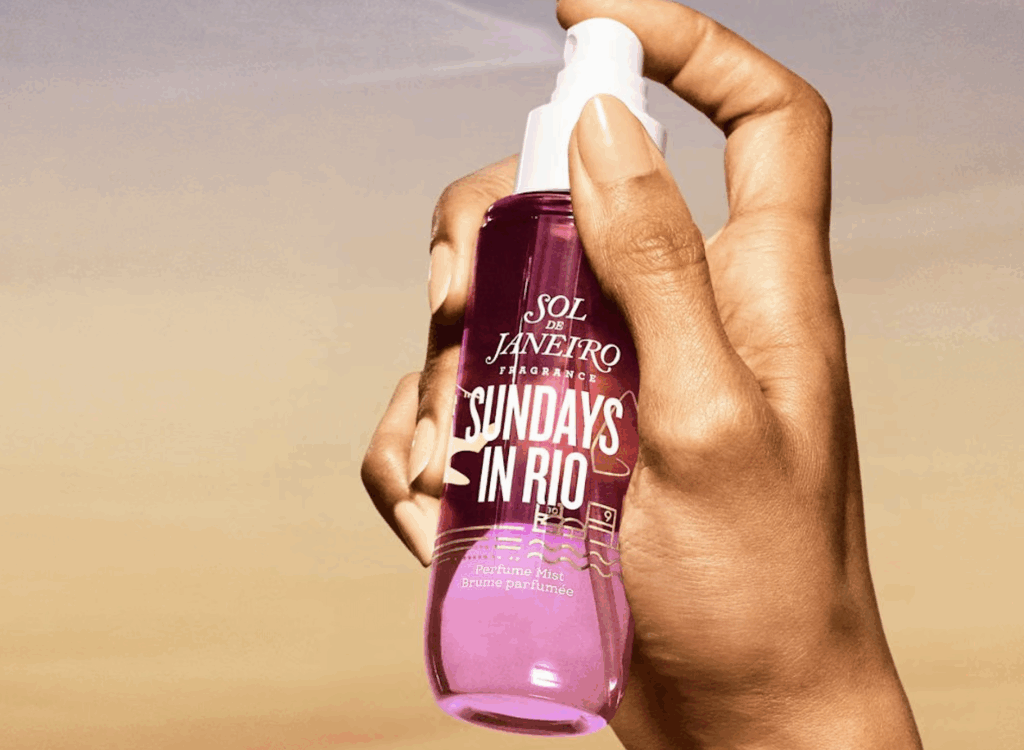
This legal evolution is surfacing in a range of recent cases. For example, beauty brand Sol de Janeiro filed a lawsuit against MCoBeauty, not only over similar packaging but also over influencer statements and promotional videos that claim MCoBeauty’s fragrance mists “smell exactly” like Sol de Janeiro’s Cheirosa scents and “last all day.” Sol de Janeiro argues these claims are factually inaccurate, citing differences in ingredients, scent composition, and longevity. The heart of the case is deceptive advertising, not mere design replication.
Similarly, Williams-Sonoma, Inc. has filed a lawsuit against Quince, focusing on “Beyond Compare” marketing materials that suggest Quince products are materially identical to those from Pottery Barn, West Elm, and Rejuvenation. The complaint challenges claims about product quality, sourcing, pricing, and manufacturing, asserting that these statements mislead consumers into believing Quince’s offerings are the same as those from Williams-Sonoma brands. In this case, the issue is false equivalency, not visual similarity.
These lawsuits reflect a growing trend: companies are increasingly utilizing false advertising provisions under the Lanham Act rather than relying solely on trademark protections. To succeed under this statute, plaintiffs don’t need to prove exclusive design rights. They simply need to demonstrate that the assertions made in advertising are false or misleading, were made in a commercial context, influenced consumer decisions, and caused harm.
Why Brands Are Embracing This Strategy
There are several compelling reasons behind this strategic pivot. One is the increasing threat of product designs being deemed legally “generic.” Courts have long denied trade dress protection for basic or widely used product shapes. With more products being commoditized, brands risk losing protection for even iconic designs.
A recent example comes from a case involving Deckers, the maker of UGG boots, and Quince. A California court ruled that two popular UGG boot designs were generic, as many competitors offered similar styles. Even Deckers’ argument of being the “first to market” failed to safeguard its design claims. This ruling highlighted the fragility of trade dress claims in a market flooded with similar-looking goods.
With false advertising claims, however, brands can sidestep the need to prove distinctiveness. Even if a product’s shape is generic, statements about its quality or performance can still be scrutinized. If a dupe seller claims its item is “identical” or “just as good,” those assertions can be legally challenged for accuracy, shifting the litigation from design to representation.
The Role of Influencers and Social Media
Modern dupe marketing doesn’t rely solely on visual mimicry—it increasingly hinges on verbal and comparative claims. Social media influencers often describe products as “the same but cheaper,” while websites publish side-by-side charts highlighting inflated price differences or suggesting equivalency in quality and materials.
These representations transform imitation into factual comparisons, making them subject to false advertising scrutiny. Moreover, the Federal Trade Commission’s endorsement guidelines hold brands accountable for claims made by paid influencers and even for curated consumer reviews. This broadens the legal exposure for dupe sellers and strengthens the enforcement tools available to plaintiffs.
Statements made by influencers such as “this smells exactly the same” or “this lasts longer” can now be used as evidence of misleading promotion. As a result, false advertising laws allow brands to take action against a broader swath of marketing tactics, extending beyond traditional commercial channels into influencer ecosystems.
A New Era in Dupe Litigation
Brands are increasingly recalibrating their legal approaches to reflect these new realities. Some, like Williams-Sonoma, have chosen to bypass trade dress claims entirely, relying solely on false advertising allegations. Others, including Sol de Janeiro, are combining both strategies—using deception claims to bolster IP-based arguments that may be vulnerable to genericism defenses.
This evolving legal playbook reflects the complex dynamics of today’s dupe market. The greatest competitive threat to premium brands isn’t always consumer confusion about the origin of a product. More often, it stems from claims that a cheaper alternative offers the same experience, quality, or prestige. Such assertions can erode brand equity and diminish the pricing power of established labels.
False advertising claims directly target this economic harm. By focusing on factual inaccuracies rather than design nuances, they align legal enforcement more closely with the real-world impacts of modern comparative marketing.
This article is inspired by content from Original Source. It has been rephrased for originality. Images are credited to the original source.