

Disney Under Fire for Controversial Predator: Badlands Ad
Disney is facing renewed criticism, this time over its marketing campaign for Predator: Badlands. The entertainment giant came under scrutiny after UK advertising regulators condemned a digital advertisement that many viewers found disturbing, particularly for young children. This controversy follows the film’s underwhelming box office performance, which analysts suggest could result in losses nearing $80 million.
UK Advertising Watchdog Bans Violent Promo
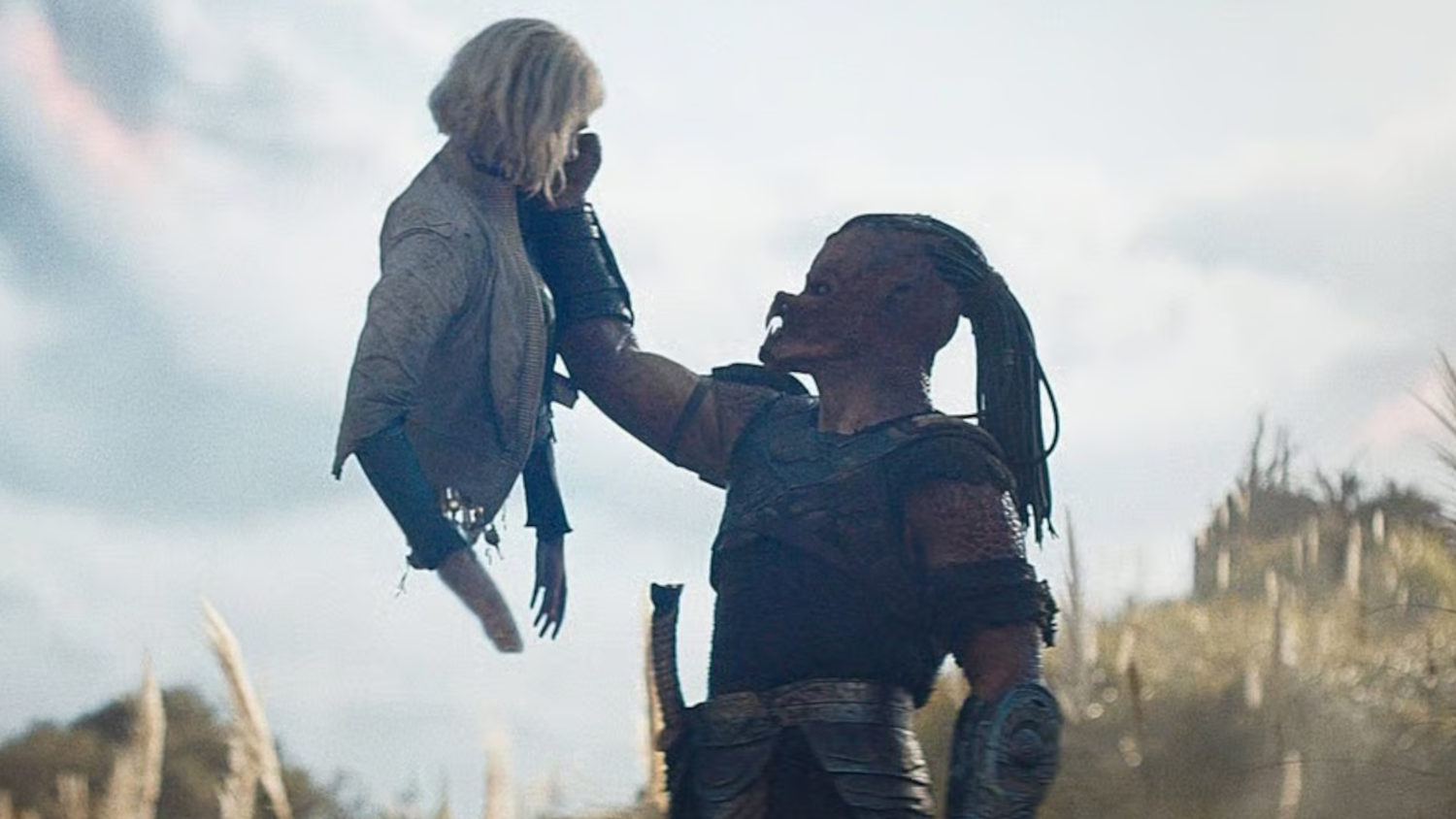
The Advertising Standards Authority (ASA) in the UK issued a formal rebuke against Disney’s digital poster for Predator: Badlands. The ad featured a character named Dek, portrayed by Dimitrius Schuster-Koloamatangi, holding what appeared to be a severed human body. The figure was later identified as Thia, played by Elle Fanning, and depicted being lifted by the Predator, torn in half with a visible spine. The tagline read: “Welcome to a world of hurt.”
Viewers lodged complaints, labeling the imagery as “inappropriate and disturbing” for children. The ASA agreed and banned the ad in its current form, stating that it was likely to “cause fear or distress for young children.”
“While we acknowledge Twentieth Century Studio’s claim that the smaller figure was a non-human ‘synth’ robot,” the ASA said, “we found this was not clear in the advertisement. The figure was likely to be perceived as human. The realistic depiction of a severed torso and exposed spine was gory and disturbing.”
Disney Defends the Ad Content
In response, Disney defended the advertisement by asserting that the severed figure was not human but a synthetic robot. The company pointed out that the graphic image was shown for less than two seconds in a 10-second trailer and was consistent with the film’s tone and rating.
“We acknowledge the ASA’s ruling,” said a Disney spokesperson. “We take our responsibilities to audiences very seriously and strive to work closely with partners to meet the required standards.”
PG-13 Rating Strategy Sparks Debate
Predator: Badlands received a PG-13 rating, a move many interpret as an attempt to attract a broader, younger audience. Unlike previous R-rated entries in the franchise, this installment featured synthetic beings instead of humans, allowing for intense action without explicit human gore. This approach was designed to bypass stricter age classifications.
However, the UK ad controversy has cast doubt on that strategy. The ASA’s ruling emphasized that viewers would reasonably interpret the severed figure as human, regardless of Disney’s internal explanations. This undermines the studio’s rationale for the PG-13 rating, especially when the marketing content contradicts the film’s classification goals.
Box Office Woes Compound the Issue
The marketing misstep adds to the film’s financial woes. Predator: Badlands struggled to gain traction at the box office, grossing only $184.5 million globally. This places it outside the top five films in the franchise when adjusted for inflation. Industry insiders estimate the film could end up losing as much as $80 million, making it one of the biggest disappointments of the year.
Director Dan Trachtenberg, who helmed the project, has since moved on and signed a new deal with Paramount Pictures. The fallout from Predator: Badlands may influence future decisions on how mature franchises are marketed and whether attempts to broaden audience demographics through rating adjustments are effective.
Lessons for Future Marketing Campaigns
This incident underscores the importance of aligning marketing materials with appropriate audience sensitivities. While studios may aim to attract a wider demographic through PG-13 ratings, the promotional content must reflect that intent. Graphic imagery, even if technically justified within the film’s lore, can backfire when taken out of context — particularly when viewed by unintended audiences such as children.
The ASA’s ruling serves as a cautionary tale, reinforcing the need for clearer communication and stricter oversight in global advertising strategies. Disney’s experience with Predator: Badlands may prompt studios to reassess their marketing decisions, especially in international markets where cultural standards and regulatory frameworks differ.
This article is inspired by content from Original Source. It has been rephrased for originality. Images are credited to the original source.