

In a week marked by financial triumph, Disney’s headquarters resonated with the mood of their iconic theme parks. The media titan reported a promising 7% revenue increase, reaching $23.6 billion in fiscal Q2, according to their latest earnings report. A standout performer was the direct-to-consumer (DTC) segment, which saw operating income skyrocket from $47 million in the same period last year to an impressive $336 million. This segment, encompassing Disney+, Hulu, and ESPN+, remains a strategic focus for Disney, with CEO Bob Iger underscoring its role as a ‘core growth platform’ during a conference call with analysts.
Streaming as a Growth Engine
Iger expressed optimism about transforming the streaming sector into a robust growth business, highlighting rising engagement and decreasing churn rates. He outlined a strategic plan centered on enhancing user experience, investing in diverse content, and advancing technology. Disney aims to integrate its streaming services to leverage its extensive portfolio of entertainment and sports, while also boosting local content outside the U.S. Technological advancements, particularly in personalization and ad-tech, are on the horizon, promising near-term improvements that could redefine the viewer experience.
Advertising Expansion
Disney anticipates exceeding its initial 3% advertising growth forecast, driven by strong demand from sectors such as restaurants and healthcare. Despite facing DTC business challenges, primarily due to an influx of new market entrants, Disney remains confident in its advertising potential. Senior Executive Vice President and CFO Hugh Johnston noted that supply, rather than demand, is the primary challenge in this area.
Preparing for Upfronts
As Disney gears up for its upfront presentation on May 13, the company is leveraging its positive earnings to attract larger advertising commitments from brands and agencies. John Campbell, Disney’s Senior Vice President for Streaming, Entertainment, and Multicultural Solutions, emphasized the importance of integrating brands into Disney’s content to meet evolving market demands. The strategy involves a four-step formula: identifying brands that add value, utilizing data for strategic placement, collaborating with writers’ rooms, and ensuring a ‘content everywhere’ approach for multi-platform reach.
Strategic Brand Integrations
Streaming plays a vital role in Disney’s brand integration strategy, with a significant portion of Hulu and Disney+ viewers expressing interest in products featured in ad integrations. Disney has observed a sixfold increase in sponsorship revenue across its streaming film platforms. To capitalize on these trends, Disney has launched initiatives like Freshman Class, Integrations Everywhere, and Screen to Stream, which enhance brand campaign lifecycles alongside film releases.
Upcoming Hulu shows, including those by podcaster Alex Cooper and comedian Mindy Kaling, will benefit from the Freshman Class treatment, following high interest from ‘star-power brands’. Poppi, a prebiotic soda brand now owned by PepsiCo, will feature in ‘The Secret Lives of Mormon Wives’ through various integrations, including influencer collaborations and social media engagements.
Ongoing Success and Innovation
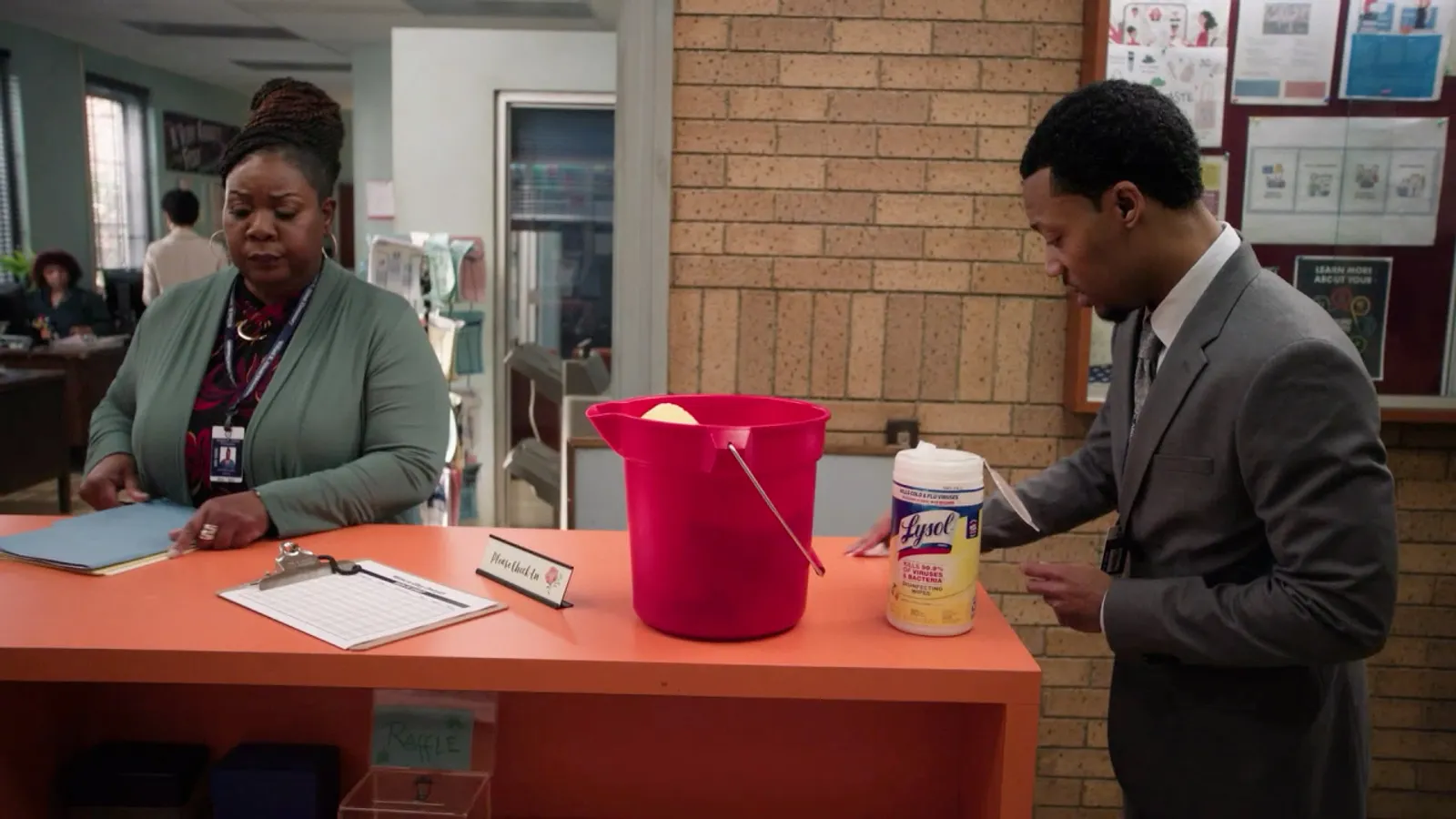
Disney’s integrated approach reached a peak with the fourth season of ‘Abbott Elementary’, which included eight sponsors, notably four from the technology sector. A notable partnership with Reckitt’s Lysol resulted in seamless in-show integrations that blurred the lines between advertising and content, enhancing viewer engagement.
As Campbell noted, Disney’s century-old legacy is complemented by a dynamic, entrepreneurial spirit that continues to drive innovative advertising solutions. This spirit ensures that Disney remains not only a leader in entertainment but also in strategic brand integrations that resonate with audiences globally.
Note: This article is inspired by content from https://www.marketingdive.com/news/inside-disneys-ad-playbook-as-streaming-becomes-core-growth-platform/747503/. It has been rephrased for originality. Images are credited to the original source.