

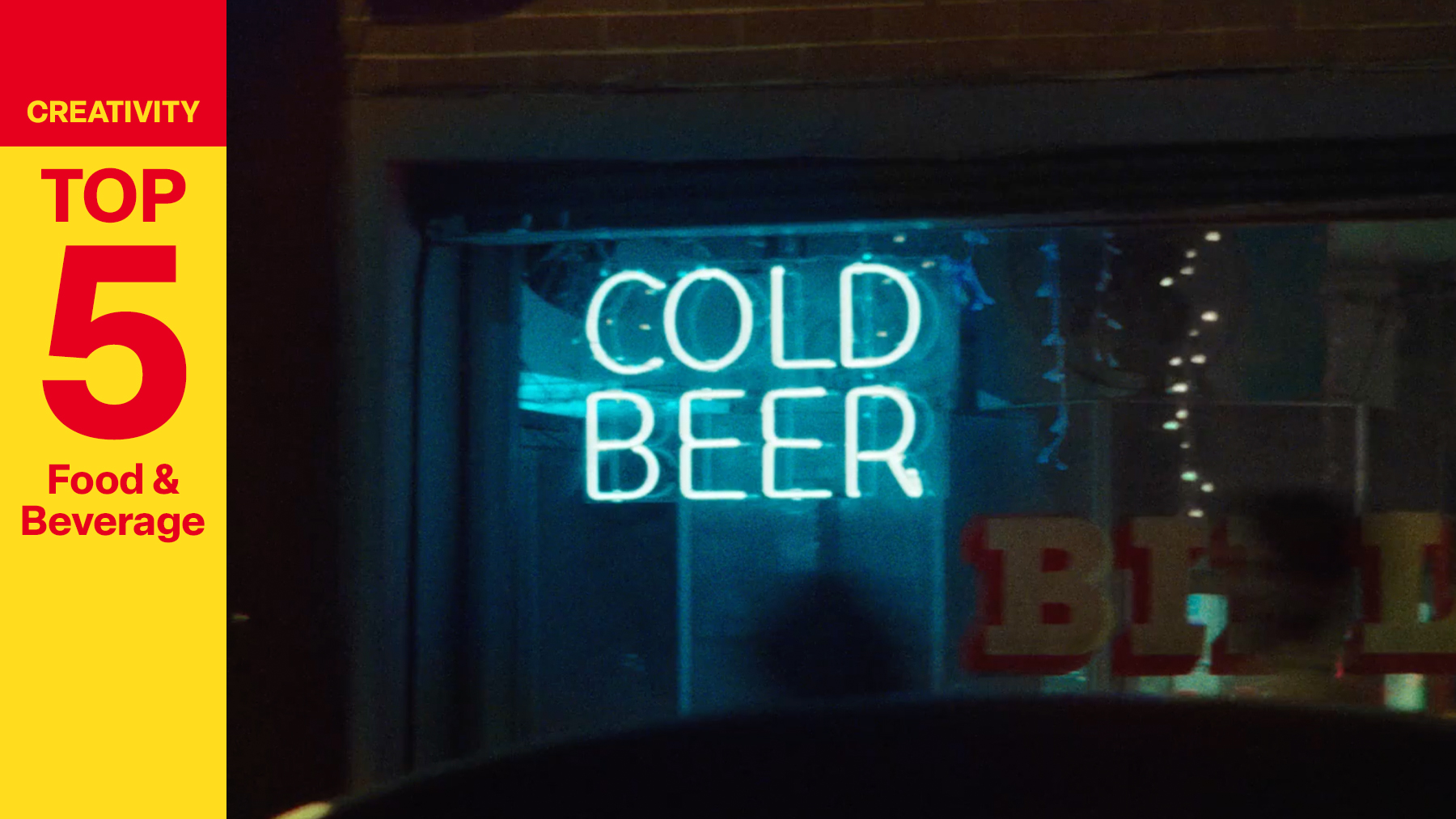
Exploring the Best Food and Beverage Marketing Campaigns
In the ever-evolving world of food and beverage marketing, brands continually strive to capture consumer attention with innovative campaigns. As 2026 unfolds, the landscape is brimming with creativity and bold ideas. This article highlights the top food and beverage marketing strategies that have captivated audiences and set new benchmarks for the industry.
1. Skittles: A Fresh Take on Experiential Marketing
Skittles has long been known for its quirky and memorable ads, but this year, the brand took food and beverage marketing to new heights. By launching immersive pop-up experiences in major cities, Skittles gave fans a chance to interact with the brand in unexpected ways. These events blended interactive art installations with product sampling, creating a sense of community and excitement that kept Skittles top-of-mind for both loyal customers and new audiences.
2. Burger King: Bold Moves and Whimsical Promotions
Burger King continues to push boundaries with its unconventional marketing tactics. In 2026, their most notable campaign involved partnering with local artists to redesign select restaurant locations, turning them into vibrant hubs of creativity. This approach not only drove foot traffic but also generated significant buzz on social media, demonstrating how smart food and beverage marketing can extend beyond traditional advertising into experiential territory.
3. Coors Light: Leveraging Technology for Engagement
Coors Light embraced emerging technology to connect with a younger audience. The brand introduced a mobile app that gamified the process of checking into local bars and restaurants. Users could earn points for visiting partner locations, which could be redeemed for exclusive merchandise and event access. This innovative use of digital engagement tools highlights the growing role of technology in food and beverage marketing strategies.
4. Brand Storytelling: The Rise of Authentic Narratives
More than ever, consumers are drawn to brands with authentic stories. Food and beverage companies in 2026 have responded by sharing the people, processes, and purpose behind their products. Whether it’s a craft brewery spotlighting local farmers or a snack company sharing a founder’s journey, these narratives build emotional connections and foster long-term loyalty. Storytelling remains a cornerstone of effective food and beverage marketing.
5. Social Media Trends: Influencer Collaborations
Influencer partnerships have become a staple in food and beverage marketing. This year, brands are moving beyond one-off posts, opting for deeper collaborations with creators who genuinely align with their values. From co-created recipes to behind-the-scenes footage, these partnerships drive engagement and trust. Social media remains a powerful channel, allowing brands to reach younger, digitally savvy consumers where they spend most of their time.
What Makes a Successful Food and Beverage Marketing Strategy?
The success of these campaigns boils down to creativity, authenticity, and a willingness to embrace new technologies. Brands that combine experiential events, digital engagement, and genuine storytelling are the ones capturing consumer attention in 2026. As competition intensifies, the bar for food and beverage marketing continues to rise, inspiring brands to think outside the box and deliver memorable experiences.
Looking Forward: The Future of Food and Beverage Marketing
The food and beverage industry is poised for even more innovation in the coming years. As consumer expectations evolve, brands will need to stay agile, leveraging data, technology, and creative partnerships to maintain their edge. One thing is clear: food and beverage marketing will remain a dynamic and exciting space, full of opportunities for brands willing to take bold risks and connect with consumers in meaningful ways.
This article is inspired by content from Original Source. It has been rephrased for originality. Images are credited to the original source.