

The Changing Landscape of Marketing Leadership
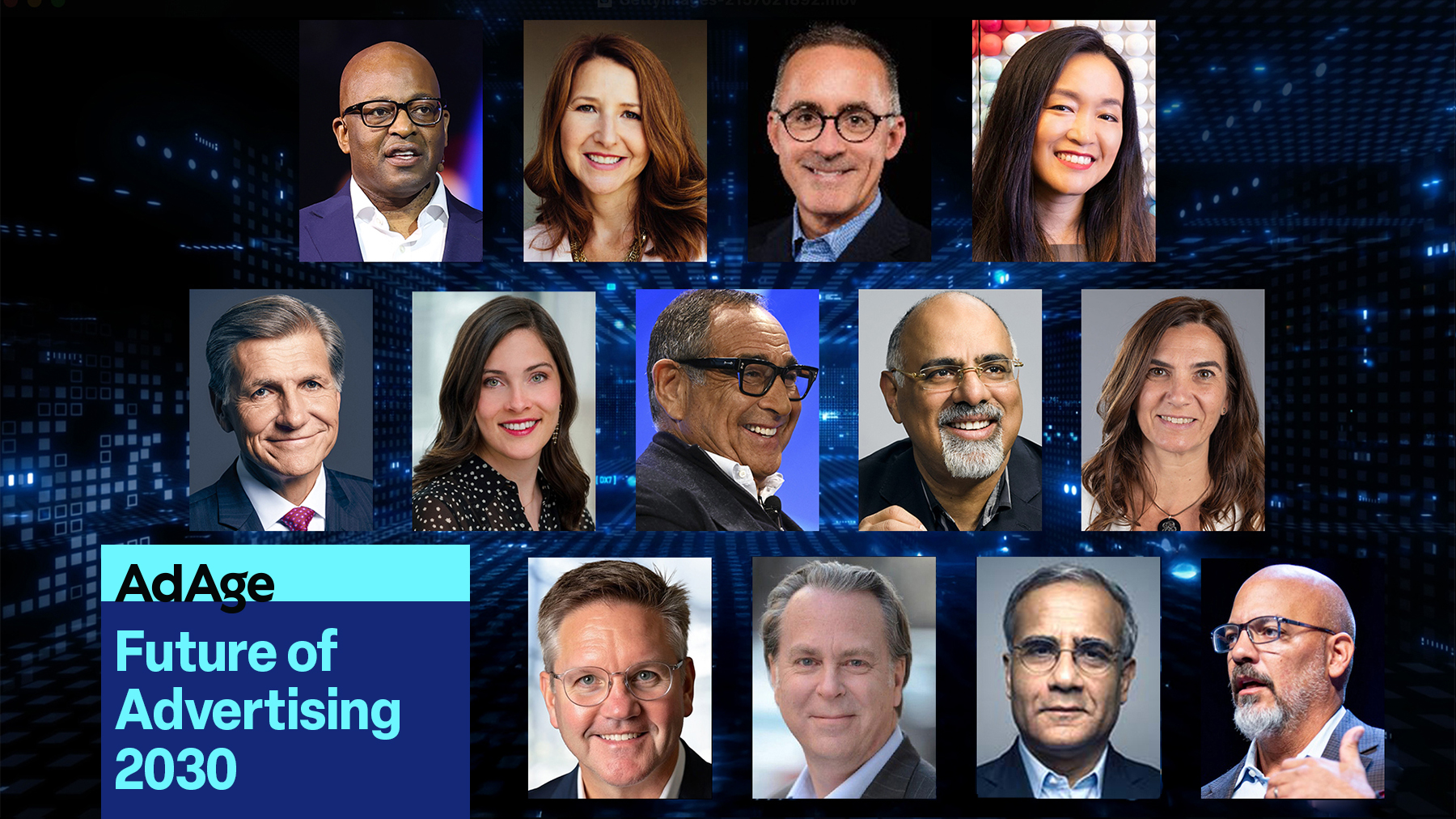
As we look toward the year 2030, the role of Chief Marketing Officers (CMOs) is undergoing a transformation driven by technological advances, evolving consumer behavior, and shifting organizational priorities. In a recent discussion involving 13 leading CMOs, industry consultants, and marketing strategists, a clear consensus emerged: the CMO of the future will need to be more adaptive, data-savvy, and strategically aligned with broader business goals than ever before.
AI and Automation: Friend or Foe?
Artificial Intelligence (AI) is poised to play a central role in shaping the future of marketing leadership. Some experts suggest that AI could render traditional marketing functions obsolete by automating decision-making processes and optimizing customer interactions in real time. Others argue that AI will enhance the CMO’s role, freeing them from routine tasks and enabling them to focus on higher-order strategy and innovation.
“AI will be a key enabler,” said one CMO. “But it’s not about replacing humans—it’s about augmenting our capabilities so we can make better decisions faster.” The consensus is that CMOs who embrace AI as a tool rather than a threat will be best positioned for success in the next decade.
Data-Driven Decision Making
With the proliferation of customer data, marketing leaders are expected to become more analytical and outcome-focused. Data fluency will be a critical skill for CMOs in 2030, allowing them to interpret complex analytics and translate insights into actionable strategies that drive growth.
“We need to move beyond vanity metrics and focus on tangible business outcomes,” one marketing executive emphasized. “CMOs will need to speak the language of finance and operations, not just branding and awareness.”
The Rise of Purpose-Driven Marketing
Another trend shaping the future of marketing leadership is the growing emphasis on purpose and sustainability. Consumers are increasingly aligning with brands that reflect their values, and CMOs are expected to lead these initiatives.
“Purpose will be a core driver of brand strategy,” said a senior marketing strategist. “CMOs must ensure that their company’s mission is authentically communicated and embedded in every customer experience.” This shift towards more meaningful engagement is expected to redefine how marketing success is measured—moving away from short-term gains and toward long-term brand equity.
Collaborative Leadership and Cross-Functional Integration
Gone are the days when marketing operated in a silo. The modern CMO must act as a bridge between departments, working closely with product, sales, technology, and finance teams to align marketing strategies with overall business objectives.
“Marketing is no longer a support function—it’s a strategic partner,” one executive noted. “The CMO of 2030 must be a collaborator who can influence across the entire organization.” This evolution will require a new set of leadership skills, including emotional intelligence, adaptability, and a strong grasp of organizational dynamics.
The Talent Challenge
Attracting and retaining top marketing talent will be another key responsibility of future CMOs. As marketing disciplines become more complex, teams will need a diverse range of skills—from data science and UX design to storytelling and brand management.
“We’re in a war for talent,” said one CMO. “To build high-performing teams, we need to create cultures that foster innovation, inclusivity, and continuous learning.” CMOs will not only need to be strategic thinkers but also effective people leaders who can inspire and develop the next generation of marketers.
Redefining Success Metrics
Traditional KPIs like impressions and click-through rates may no longer suffice. By 2030, CMOs will be held accountable for deeper business metrics such as customer lifetime value, brand trust, and contribution to revenue.
“We need to own the outcomes,” one leader stated. “That means aligning our goals with those of the CFO and CEO, and proving that marketing is not just a cost center, but a growth driver.” This shift will require CMOs to be more financially literate and results-oriented than ever before.
Conclusion: A Role in Flux, But Still Vital
Despite the disruptive forces at play, most experts agree that CMOs will remain essential to business success—provided they evolve with the times. The marketers of 2030 will be strategic architects, technology integrators, cultural stewards, and data interpreters all rolled into one.
“The CMO role isn’t going away—it’s getting bigger and more complex,” one consultant summarized. “Those who can adapt will not only survive but thrive in the next era of marketing.”
This article is inspired by content from Original Source. It has been rephrased for originality. Images are credited to the original source.