

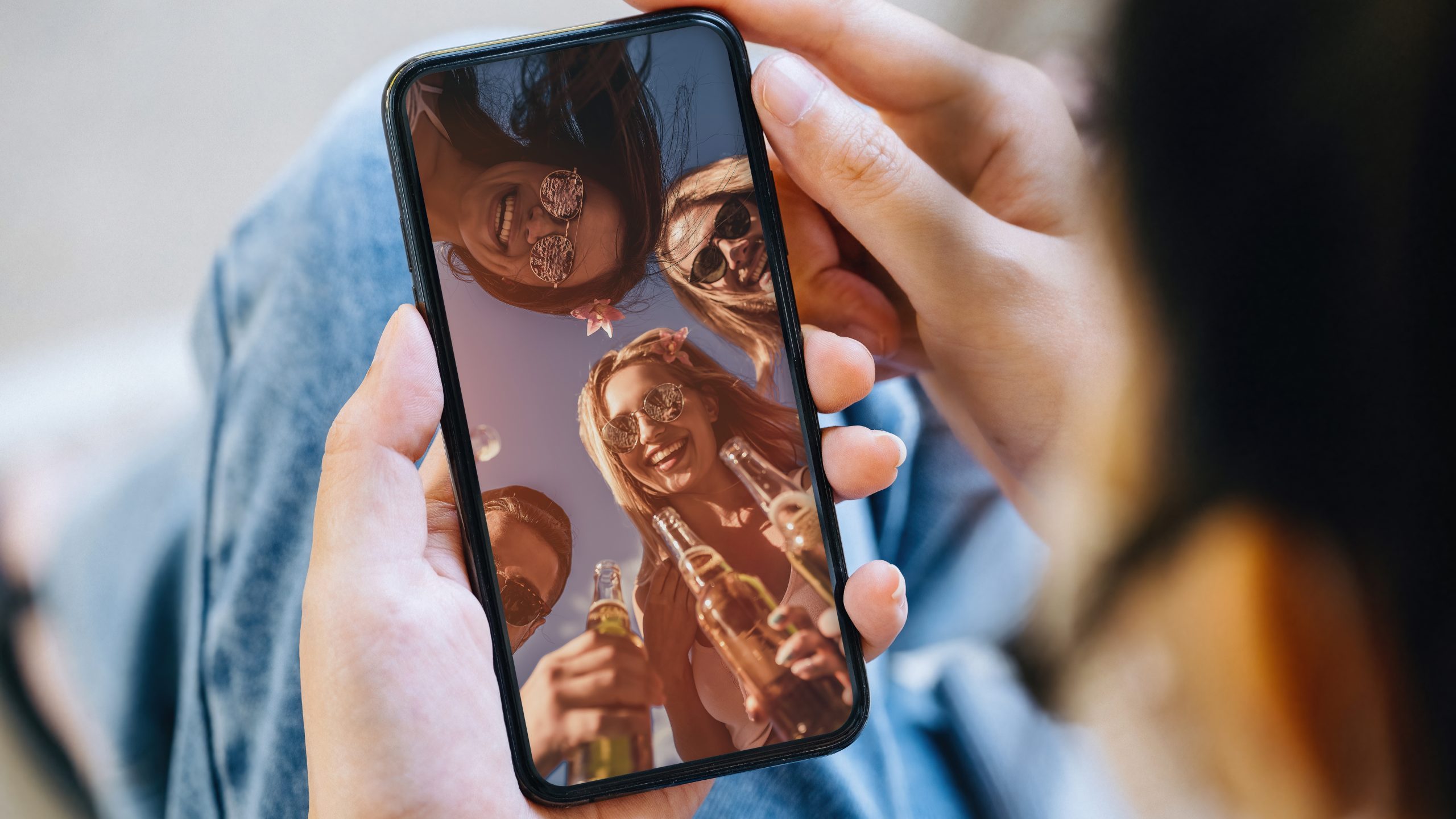
Understanding Identity-First Marketing for Gen Z
In today’s rapidly evolving digital landscape, identity-first marketing has become a powerful strategy for brands aiming to connect with Generation Z. This approach places personal identity at the forefront of marketing efforts, recognizing that Gen Z values self-expression and authenticity above all else. As Gen Zers increasingly use products—especially beverages and their packaging—as extensions of their personal identity, marketers must adapt to remain relevant.
Gen Z and the Power of Self-Expression
Gen Z is the first generation to grow up entirely in the digital era, where social media platforms allow for constant self-curation and expression. For this group, every purchase is more than a transaction; it’s a statement of who they are. Whether it’s a trending beverage in a uniquely designed bottle or a reusable drink vessel with bold branding, these choices are consciously made to signal belonging, values, and style. Identity-first marketing taps into this phenomenon, allowing brands to position themselves as integral to the consumer’s personal narrative.
Badge Brands and the Rise of Social Signaling
One of the defining features of Gen Z consumer behavior is the desire to align with “badge brands.” These are brands whose products serve as social signals, indicating status, beliefs, or community membership. The popularity of limited-edition packaging, influencer collaborations, and eco-friendly containers reflects this trend. As shared on Ad Age Insider, marketers are witnessing how beverages—and their vessels—are now seen as identity badges. This shift means that the design, sustainability, and message conveyed by packaging are as critical as the product itself.
Leveraging Social Media for Identity-Driven Campaigns
Social media is the playground where identity-first marketing thrives. Platforms like TikTok and Instagram provide Gen Z with instant visibility, making it easier for them to showcase their choices and affiliations. Brands that succeed in this space are those that encourage user-generated content, co-creation, and participation in viral trends. By integrating identity-first marketing into their campaigns, marketers can inspire Gen Z consumers to proudly display their products, turning them into walking, talking brand ambassadors.
The Role of Packaging and Regulation
Packaging has evolved from a functional necessity to a critical component of identity-first marketing. Innovative designs, sustainable materials, and interactive elements all play a role in attracting Gen Z consumers. However, marketers must also navigate a complex regulatory environment that governs product labeling, environmental claims, and influencer partnerships. Staying compliant while maintaining creative expression is essential to building trust and credibility with this discerning audience.
Lessons for Marketers: Building Identity-Driven Brands
To win Gen Z’s loyalty, brands must go beyond traditional messaging and tap into the values and aspirations that drive this demographic. Here are a few actionable strategies for marketers embracing identity-first marketing:
- Authenticity: Ensure that brand values align with those of your Gen Z audience and are consistently reflected in every touchpoint.
- Co-Creation: Involve customers in product development and marketing campaigns, empowering them to become co-authors of your brand story.
- Sustainability: Make eco-friendly choices visible and meaningful, as environmental consciousness is a key identity marker for many Gen Zers.
- Personalization: Offer customizable products and experiences to help consumers feel seen and valued as individuals.
Conclusion: The Future of Identity-First Marketing
As Gen Z continues to reshape the marketing landscape, identity-first marketing will only grow in importance. Brands that listen, adapt, and authentically connect with this generation’s desire for self-expression will thrive. By understanding and embracing the principles of identity-first marketing, marketers can create lasting relationships and transform everyday products into powerful symbols of identity.
This article is inspired by content from Original Source. It has been rephrased for originality. Images are credited to the original source.