

AI in Advertising: A Bold Step or a Creative Misstep?
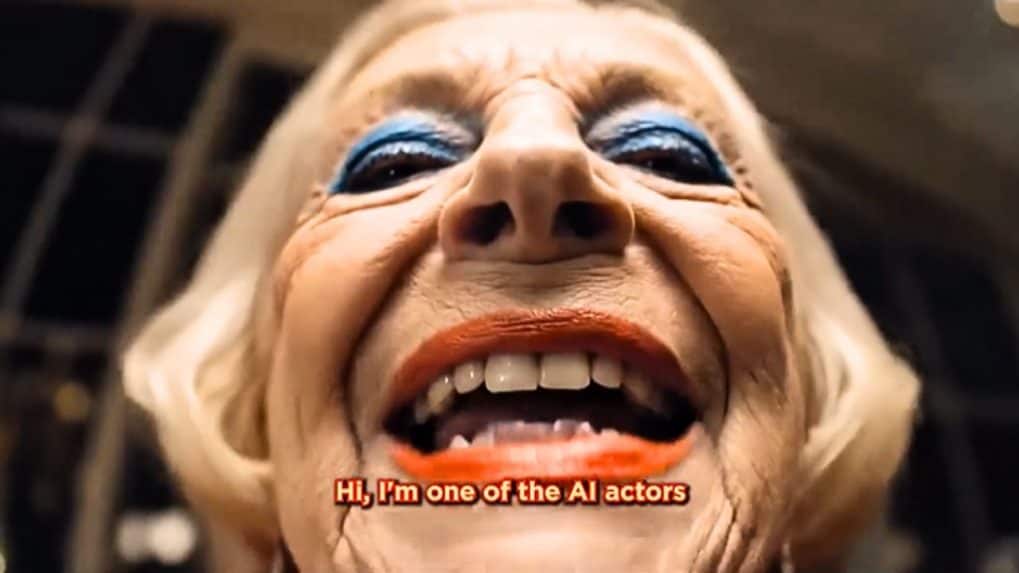
In a bold move that ended up igniting widespread debate, McDonald’s Netherlands launched a Christmas advertising campaign created entirely by artificial intelligence. Rather than drawing holiday cheer, the ad campaign stirred controversy and highlighted a growing concern within the advertising industry—a perceived erosion of creative confidence.
This AI-generated campaign, intended to showcase innovation and modernity, ended up being more of a cautionary tale. The backlash not only exposed flaws in the execution but also sparked a broader conversation about the role of AI in creative industries and the urgency for human ingenuity in advertising campaigns.
The Campaign That Sparked Controversy
The McDonald’s Christmas ad, developed with AI tools, featured visuals and messaging that failed to resonate emotionally with audiences. Critics noted that the ad lacked the warmth, storytelling, and emotional depth typically associated with holiday campaigns. Instead of invoking nostalgia or joy, the AI-generated content came off as cold and impersonal.
The campaign quickly became the center of online criticism, with many pointing out that it felt disconnected from McDonald’s brand identity and failed to capture the spirit of the season. Within days of its release, the company found itself scrambling to control the narrative and manage the fallout, underscoring a critical misjudgment in relying solely on AI for such a high-stakes campaign.
The Creative Confidence Crisis
What makes this incident particularly noteworthy is what it reveals about the state of creative decision-making in the advertising world. By outsourcing creativity to AI, McDonald’s inadvertently signaled a lack of confidence in human creatives—those who have traditionally crafted emotionally compelling stories that connect with consumers.
This move has drawn attention to a larger issue: the growing dependence on technology at the expense of human creativity. While AI can assist with data analysis and automation, its role in ideation and storytelling is still largely uncharted—and, as this campaign shows, potentially problematic.
The Role of AI in Modern Advertising
Artificial intelligence has undeniably transformed the marketing landscape. From programmatic ad buying to personalized content recommendations, AI offers numerous advantages in efficiency and targeting. However, this does not automatically translate to success in creative development.
AI lacks the human touch—the nuanced understanding of culture, emotion, and narrative flow that defines great advertising. The McDonald’s campaign highlighted this limitation starkly. Audiences crave authenticity, emotion, and human connection, particularly during the holiday season. An algorithm, no matter how advanced, struggles to replicate these elements convincingly.
Damage Control and Industry Reactions
In the aftermath of the backlash, McDonald’s Netherlands took swift action to mitigate the damage. The brand issued clarifications and attempted to reframe the campaign as an experimental initiative rather than a definitive shift in creative strategy. However, the damage had already been done. The campaign’s failure served as a case study in what can go wrong when brands prioritize novelty over substance.
Advertising professionals and industry leaders have since weighed in, with many expressing concern that the push for AI-driven campaigns might lead to a homogenization of creative output. Instead of standing out, brands risk blending in, losing the distinct voices that once set them apart.
Lessons for Brands and Creatives
The McDonald’s AI Christmas ad underscores the importance of balance. AI can be a powerful tool for enhancing creative processes, but it should not replace human insight. Brands must recognize the irreplaceable value of human emotion, intuition, and storytelling skills in crafting effective campaigns.
Moreover, this incident highlights the need for more thoughtful integration of technology into the creative workflow. Rather than handing over complete control to algorithms, marketers should use AI as a collaborative partner—one that supports and amplifies human creativity rather than replacing it.
As brands continue to explore the intersection of technology and creativity, the McDonald’s misstep serves as a timely reminder: innovation should enhance, not undermine, the human elements that make advertising truly memorable.
This article is inspired by content from Original Source. It has been rephrased for originality. Images are credited to the original source.