

Meta’s AI-Powered Ad Creative: A Double-Edged Sword for Marketers
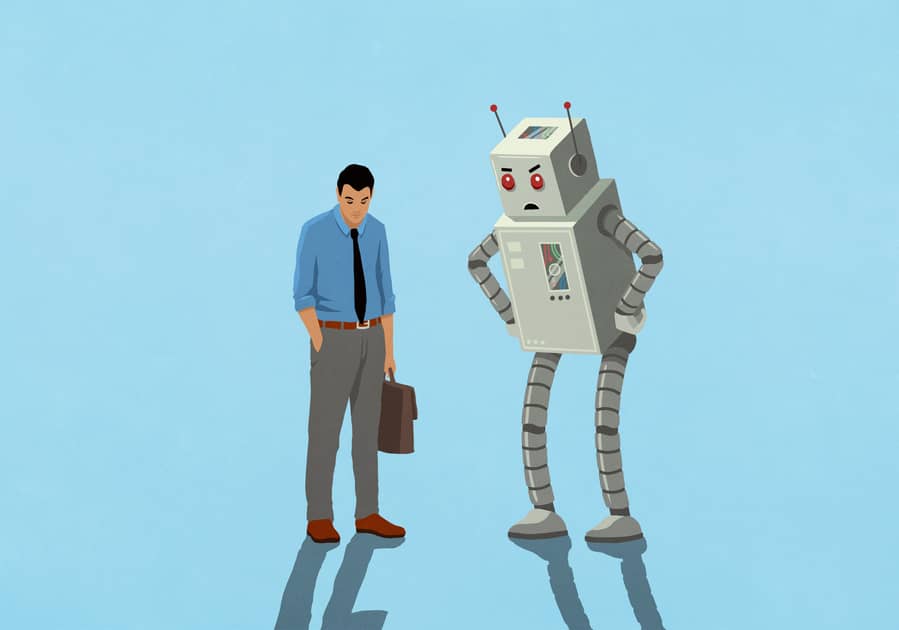
Meta AI ad tools are at the center of a heated debate among marketers and brands. While artificial intelligence promises greater efficiency and creative optimization, not all advertisers are thrilled with how these tools are impacting their campaigns. As Meta pushes deeper into AI-driven advertising, some marketers are questioning the lack of control and the potential risks to their brand image.
Unexpected AI Tweaks Leave Brands Frustrated
Last summer, Snag Tights, a clothing brand, spotted something unusual in its Meta ad creative. CEO Brie Read noticed that ads appearing online had a distinctive, somewhat artificial look. In a candid Facebook post, the brand warned: “If you see an ad from us that looks ‘off’ or has that strange AI sheen, please know: It isn’t us.” The culprit? Meta AI ad tools had modified the brand’s ads without explicit approval, raising concerns about authenticity and customer trust.
Read explained, “If the picture isn’t of anything real, you’re effectively scamming the customer, right?” She illustrated the issue: If an AI generates an image of a rainbow handbag that doesn’t exist, and that is used in an ad, customers could be misled. After this unsettling experience, Snag Tights asked Meta to turn off AI testing for their account. Although Meta complied, the incident was enough to prompt the brand to consider diverting some of its ad budget away from Meta’s platforms.
Agencies Report Unwanted AI-Generated Creative
Snag Tights is not alone. As Meta continues to roll out AI-powered features like its Advantage+ AI tool and the upgraded Andromeda ad retrieval system, agencies and advertisers have reported similar issues. Some have found AI-generated elements or distortions in their ad creative, while others discovered that ad budgets were automatically funneled into AI ad testing without their consent.
Simone Levien, a Meta spokesperson, emphasized that advertisers can opt out of AI creative testing directly in their Ad Account Settings. “We run these tests with a small share of ad impressions to help improve performance for businesses on our platform, but advertisers are always in control of their experience,” Levien stated. Despite this, some marketers say the opt-out process is unclear or ineffective.
Turning Off Meta AI Isn’t Always Straightforward
Curtis Howland, VP of Marketing at Misfit Marketing, described seeing unexpected AI-powered modifications, such as changes to image size, backgrounds, or even transforming static images into videos. “We turn that off whenever it pops up,” Howland said, but noted that finding the right settings within Meta accounts can be challenging.
Meghan Kelly, co-founder and CEO of Formada Social, echoed these frustrations. In a LinkedIn post, she described how AI features tended to re-enable themselves, creating new visuals and overriding previously approved ads. Even after duplicating ads and meticulously disabling AI features, the agency continued to see its budget allocated to unwanted, Meta-generated creative.
Snag Tights also revealed that some of its ad budget was used for testing AI-generated content, despite opting out of every AI feature available. For many, the difficulty in fully disabling Meta AI ad tools is a source of ongoing concern.
Marketers Seek Alternatives as Trust Erodes
As more advertisers face challenges with AI ad tools, some are taking additional steps to regain control. Misfit Marketing’s Howland stressed the importance of human oversight, saying, “Even with other image generation tools, I would never push an ad live without reviewing it. The idea of just letting Facebook in the background make a bunch of ads for you is absurd.”
Snag Tights is now exploring alternative platforms such as Reddit, TikTok, Substack, and podcasts for its advertising efforts. Read noted that if Meta’s platform continues to produce untrustworthy ads, the brand may further reduce its presence there. “If that kind of thing happens on Facebook a lot, where you get more and more ads [that] can’t be trusted by the customers, that’s also not a space we want to be in,” she said.
The Future of AI in Ad Creative
The growing pains of AI integration in ad creative are apparent. While Meta AI ad tools aim to enhance performance, the lack of full advertiser control and the risk of brand misrepresentation have some marketers rethinking their strategies. As AI continues to evolve, brands will need to weigh the benefits of automation against potential downsides in authenticity and trust.
This article is inspired by content from Original Source. It has been rephrased for originality. Images are credited to the original source.