

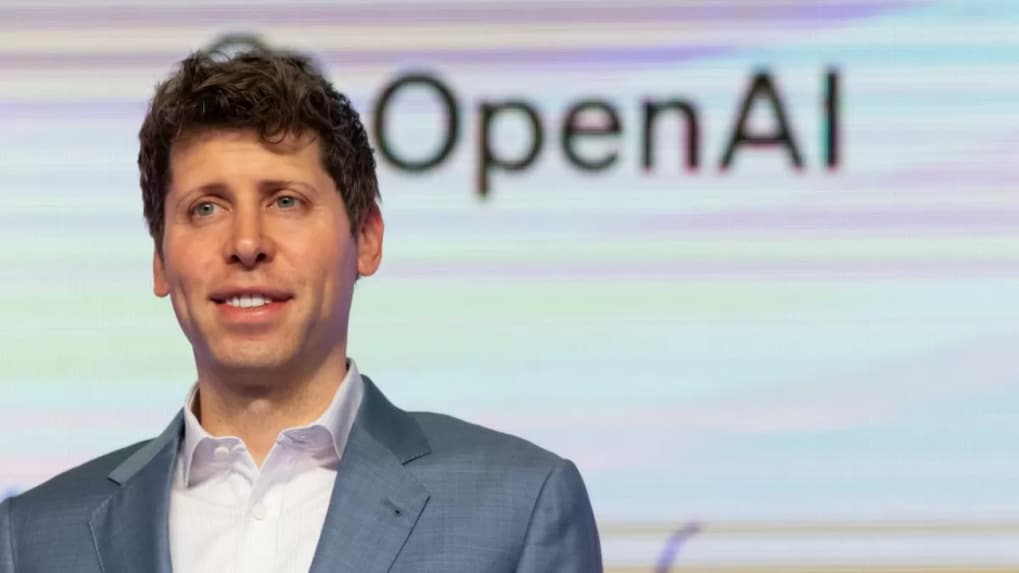
OpenAI Gears Up to Unveil Chatbot Advertising Plans
OpenAI, the artificial intelligence powerhouse behind ChatGPT, is preparing to present its vision for chatbot-based advertising to a select group of marketers in February. According to industry insiders, the company is organizing a strategic session to outline potential advertising formats integrated into conversational AI platforms.
This move marks a significant step in OpenAI’s efforts to monetize its AI tools, particularly as ChatGPT continues to see widespread adoption among both consumers and businesses. The upcoming presentation is expected to provide advertisers with insights into how brands might leverage AI-driven conversations to engage users in new, interactive ways.
Dozens of Advertisers to Attend Private Briefings
Sources familiar with the matter indicate that OpenAI will host private briefings with dozens of advertisers, offering an exclusive look at its advertising roadmap. Attendees are expected to include representatives from major advertising agencies, global consumer brands, and digital marketing firms.
The meetings aim to explore how conversational AI can serve as a platform for brand messaging, offering alternatives to traditional display or video advertising. While specific details of the formats are yet to be released, the initiative suggests that OpenAI is exploring new monetization models as it competes with other tech giants in the AI space.
Chatbot Ads: A New Frontier in Digital Marketing
The potential for chatbot advertising represents a major evolution in how brands interact with consumers. Rather than relying on passive content, advertisers could soon deliver personalized, real-time messages via AI assistants like ChatGPT. This interactivity opens up possibilities for product discovery, customer service, and even direct purchases within the chat interface.
“This could redefine the user experience,” said a digital marketing executive familiar with the plans. “If done right, it’s an opportunity to engage consumers in a more meaningful and helpful way.”
Integrating ads into AI conversations, however, will require careful design to avoid disrupting the user experience. OpenAI is reportedly considering formats that are subtle and contextually relevant, ensuring that ads feel like natural extensions of the conversation rather than intrusive promotions.
OpenAI’s Commercial Strategy in Focus
Since its launch, ChatGPT has become one of the fastest-growing consumer applications in history. As the platform evolves, OpenAI is under increasing pressure to find sustainable revenue streams. Subscription models and enterprise partnerships have already brought in significant income, but advertising could unlock an entirely new level of monetization.
According to industry analysts, OpenAI’s move mirrors strategies employed by other tech firms, such as Google and Meta, which have long relied on advertising to fuel growth. However, OpenAI’s approach could distinguish itself by focusing on utility-first experiences, where ads serve a function rather than distract from one.
Marketer Interest Grows Amid AI Boom
Brands and agencies have shown increasing interest in AI-powered tools, particularly as consumer behavior shifts toward digital and mobile-first experiences. Chatbots, once limited to basic customer support, are now seen as dynamic platforms capable of managing complex interactions and delivering high-value content.
OpenAI’s presentation next month is likely to spark discussions around brand safety, targeting, and measurement — all key concerns in the evolving digital landscape. Advertisers will be keen to understand how data privacy and transparency will be handled, especially in light of growing regulatory scrutiny worldwide.
What Comes Next for OpenAI and Advertisers
While no official timeline has been announced for launching chatbot ad capabilities, the February briefings signal that OpenAI is actively moving toward commercialization. The company may begin piloting select advertising formats with partner brands later this year, depending on feedback received during the sessions.
Industry observers will be watching closely to see how OpenAI balances innovation with user trust. As conversational AI becomes more embedded in daily life, the way it is monetized will shape public perception and long-term viability.
“The key will be authenticity and value,” said a marketing strategist. “If users feel they’re getting helpful, relevant content, they’ll be more receptive to branded experiences within chat.”
This article is inspired by content from Original Source. It has been rephrased for originality. Images are credited to the original source.