

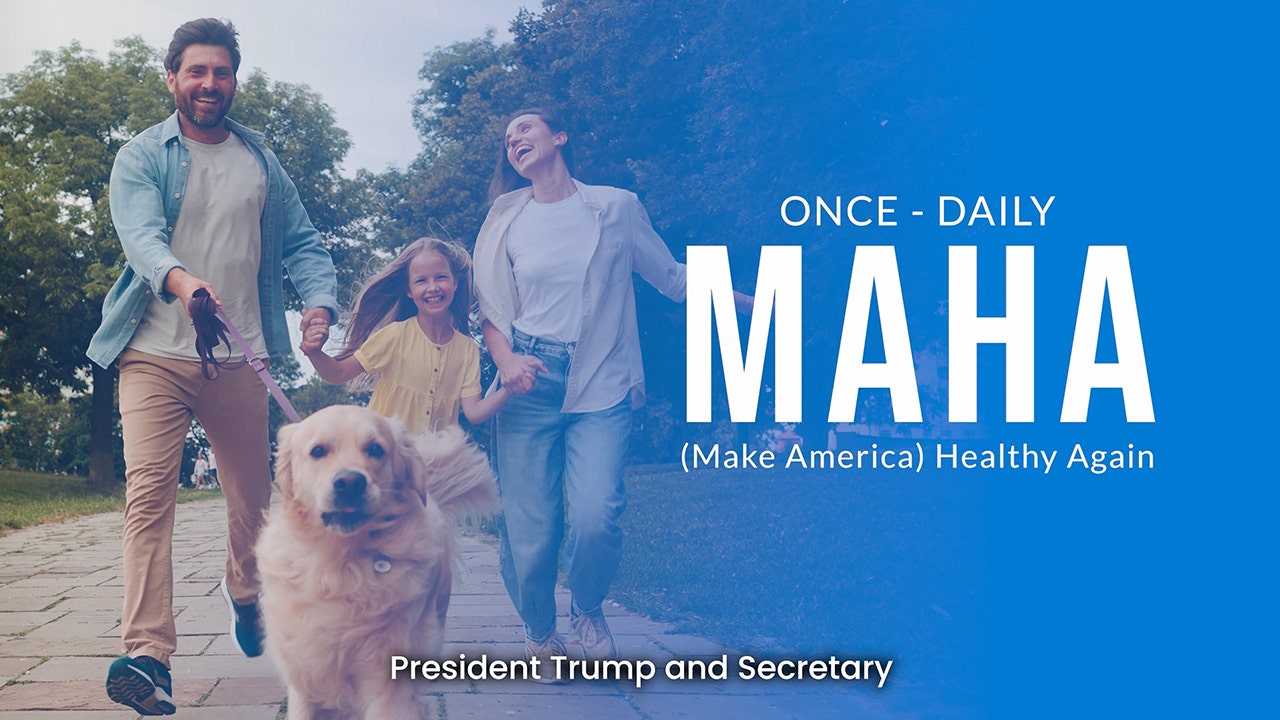
RFK Jr. and HHS Launch Parody Drug Ad to Challenge Big Pharma
Robert F. Kennedy Jr., in collaboration with the Department of Health and Human Services (HHS), has unveiled a satirical drug commercial aimed at calling out misleading pharmaceutical advertising. This initiative comes in support of Kennedy’s broader campaign to reform direct-to-consumer drug marketing in the United States.
The parody ad, titled “MAHA” for Kennedy’s “Make America Healthy Again” initiative, mocks the glossy, often misleading style of pharmaceutical commercials that flood American airwaves. The video opens with a sarcastic question: “Tired of endless drug ads promising quick fixes but leaving you sicker than you were before?”
The narrator continues, “MAHA may cause healthier living, fewer chronic diseases, and lower drug costs. Some Americans reported more time spent with family instead of at the pharmacy. Other side effects may include healthier children, a stronger nation, more transparency in healthcare, honest advertising, and accountability from Big Pharma.”
A Unique U.S. Practice Under Fire
The timing of the parody ad aligns with the release of a new HHS strategy targeting deceptive direct-to-consumer pharmaceutical advertising. The United States is one of the few countries that allows such advertising, a practice Kennedy and health officials believe contributes to the overmedication of Americans and distorts the doctor-patient relationship.
In a statement accompanying the video, Kennedy emphasized the harms caused by these ads. “Drug ads drove up prescription drug costs and distorted doctor-patient conversations. Patients saw glossy ads and often asked for new medications,” he said. “Big Pharma’s marketing hooked the country on prescription drugs. We’re taking action to end that practice.”
New Strategy to Rein in Misleading Ads
The newly announced children’s health strategy outlines a comprehensive approach to enforcing existing laws and exploring new guidelines. A key focus will be cracking down on what the HHS calls “egregious violations demonstrating harm,” especially in ads circulating on digital platforms and social media.
“We are prioritizing the enforcement of prescription drug advertising laws that have been ignored for too long,” Kennedy said. “No more hiding vital information in small print, or pushing it off to a website or a 1-800 number.”
The strategy also aims to protect children from deceptive marketing of unhealthy products. It proposes inter-agency collaboration to assess and possibly restrict direct-to-consumer advertising of certain unhealthy foods aimed at younger audiences. This includes evaluating claims and imagery that may mislead or manipulate children and their caregivers.
Regulatory Loopholes Under Scrutiny
Kennedy criticized current regulatory practices that allow pharmaceutical companies to omit full safety information in their ads. Traditionally, companies have relied on a “major statement” of risk that directs consumers to external sources for the complete list of side effects and warnings. Kennedy described this as a dangerous “loophole” that opened the floodgates to a “tsunami” of misleading advertisements.
“For too long, regulators have allowed pharmaceutical giants to skirt full disclosure. This ends now,” Kennedy declared in a video released alongside the parody ad.
Public and Political Reaction
The parody ad and accompanying strategy have already sparked national debate. Supporters praise the bold move to address misleading marketing, while critics question whether satire is the right vehicle for public health messaging.
Health policy experts note that while the parody is humorous, the underlying message is serious. “This ad draws attention to a real problem: the way pharmaceutical marketing distorts health care choices,” said Dr. Helen Grant, a health policy analyst. “It’s a creative way to drive home the need for reform.”
Meanwhile, some industry representatives argue that the ad unfairly demonizes pharmaceutical companies that provide life-saving drugs. They caution against policies that could limit consumer awareness or restrict access to important treatment information.
Looking Ahead
The HHS and Kennedy plan to follow the parody ad with real policy changes, including strengthened enforcement and possibly new legislation. The administration is also calling on Congress to support efforts to increase transparency in healthcare advertising and impose consequences for companies that mislead consumers.
As the conversation around pharmaceutical advertising continues, Kennedy’s satirical approach has successfully reignited public interest and scrutiny. Whether it leads to long-term regulatory change remains to be seen, but it has undoubtedly pushed the issue back into the national spotlight.
This article is inspired by content from Original Source. It has been rephrased for originality. Images are credited to the original source.