

Shake Shack Plans Aggressive Marketing Shift
Shake Shack is embarking on a strategic shift to increase its paid media advertising in an effort to sustain and accelerate its sales growth. CEO Rob Lynch announced during the company’s Q2 2025 earnings call that the burger chain will adopt a more aggressive marketing strategy, marking a significant departure from its traditional reliance on word-of-mouth and earned media.
“It’s hard to believe, but all of the marketing has always been word of mouth, earned media and bottom-of-the-funnel promo activations,” Lynch said. He emphasized that this new direction will help differentiate Shake Shack from traditional fast food competitors and highlight the brand’s premium offerings.
Q2 Financial Results Indicate Modest Growth
In the second quarter of 2025, Shake Shack reported a 1.8% increase in same-store sales. This growth was attributed to a shift in the order mix and higher pricing, though it was partially offset by a decline in customer traffic. Despite the modest uptick, executives are optimistic that a revised advertising approach will boost both sales and customer engagement.
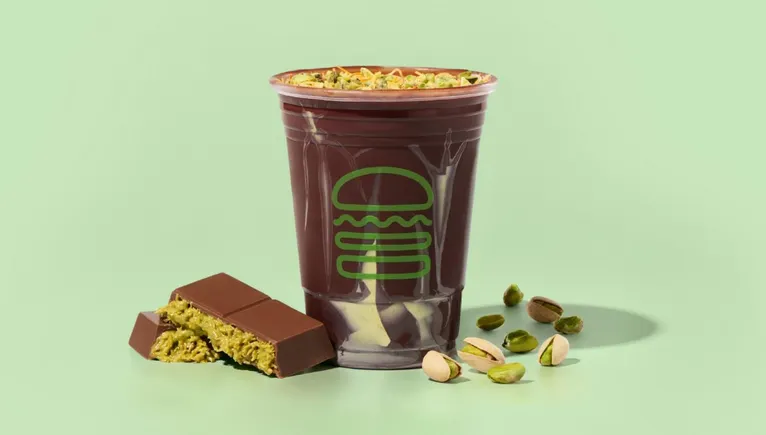
CFO Katie Fogerty confirmed that the brand has already started investing in paid media, with early campaigns supporting the launch of limited-time items such as the Dubai Chocolate Shake. These initial efforts are part of a broader initiative to test paid media strategies across several markets.
Positive Early Outcomes from Test Campaigns
Although the financial impact of these early advertising efforts has not yet been reflected in the Q2 earnings report, Lynch shared that the company is “ecstatic” with the results so far. The campaigns are being evaluated in select test markets, and the response has encouraged Shake Shack to consider scaling the strategy nationwide.
“We’re making these investments because we do believe that they will drive sales and margin expansion,” Fogerty noted. However, she added that these projections are not yet included in the company’s current financial guidance.
Strategic Goals and Competitive Positioning
Shake Shack’s renewed focus on marketing aims to enhance its brand identity and appeal to consumers seeking higher-quality dining experiences. By positioning itself as a premium alternative to traditional quick-service restaurants (QSRs), the chain hopes to capture market share from competitors facing challenges in same-store sales growth.
Fast food burger chains have recently struggled to maintain their value proposition amid rising prices, making them more vulnerable to competition from casual and fast-casual dining establishments. Shake Shack’s leadership believes that spotlighting its elevated menu and dining experience can attract customers away from traditional QSRs.
Comparable efforts by other brands underscore the potential of this strategy. For example, Chili’s has seen significant traffic growth by emphasizing the quality of its burgers in contrast to fast food offerings. Shake Shack intends to follow a similar path by leveraging its brand strengths through targeted advertising and promotional campaigns.
Marketing as a Core Business Component
The decision to integrate advertising more deeply into Shake Shack’s operational strategy is a pivotal moment for the brand. Historically known for its grassroots marketing approach, the company is now embracing a more traditional, yet data-driven, model of consumer engagement. This includes a focus on paid media to amplify the reach and impact of new product launches and brand messaging.
This evolution aligns with Shake Shack’s broader business objectives, including expanding its footprint and optimizing restaurant performance. The company has outlined plans to grow to 1,500 units, with an emphasis on drive-thru locations and enhanced operational efficiency. Strategic marketing will play a key role in supporting these ambitions by driving customer traffic and brand loyalty.
Looking Ahead
As Shake Shack moves forward with its revamped advertising strategy, industry observers will be watching closely to see how these changes influence the company’s performance. If the early results from test markets are any indication, the brand’s investment in paid media could pay off with increased sales, improved margins, and stronger competitive positioning.
While the financial impact of the new strategy has not yet been quantified, the leadership team remains confident that these efforts will contribute to long-term growth. For Shake Shack, the decision to embrace a more aggressive advertising approach represents not just a tactical change, but a fundamental evolution in how the brand communicates with its customers and positions itself in a crowded marketplace.
This article is inspired by content from Original Source. It has been rephrased for originality. Images are credited to the original source.