

Immersive Experiences Define 2025 Marketing Trends
As brands continue to seek deeper connections with consumers, 2025 has proven to be a landmark year for experiential marketing. Activations that blend physical presence with emotional resonance are now central to brand strategies. From interactive installations to immersive storytelling, experiential campaigns are helping companies stand out in an increasingly digital world.
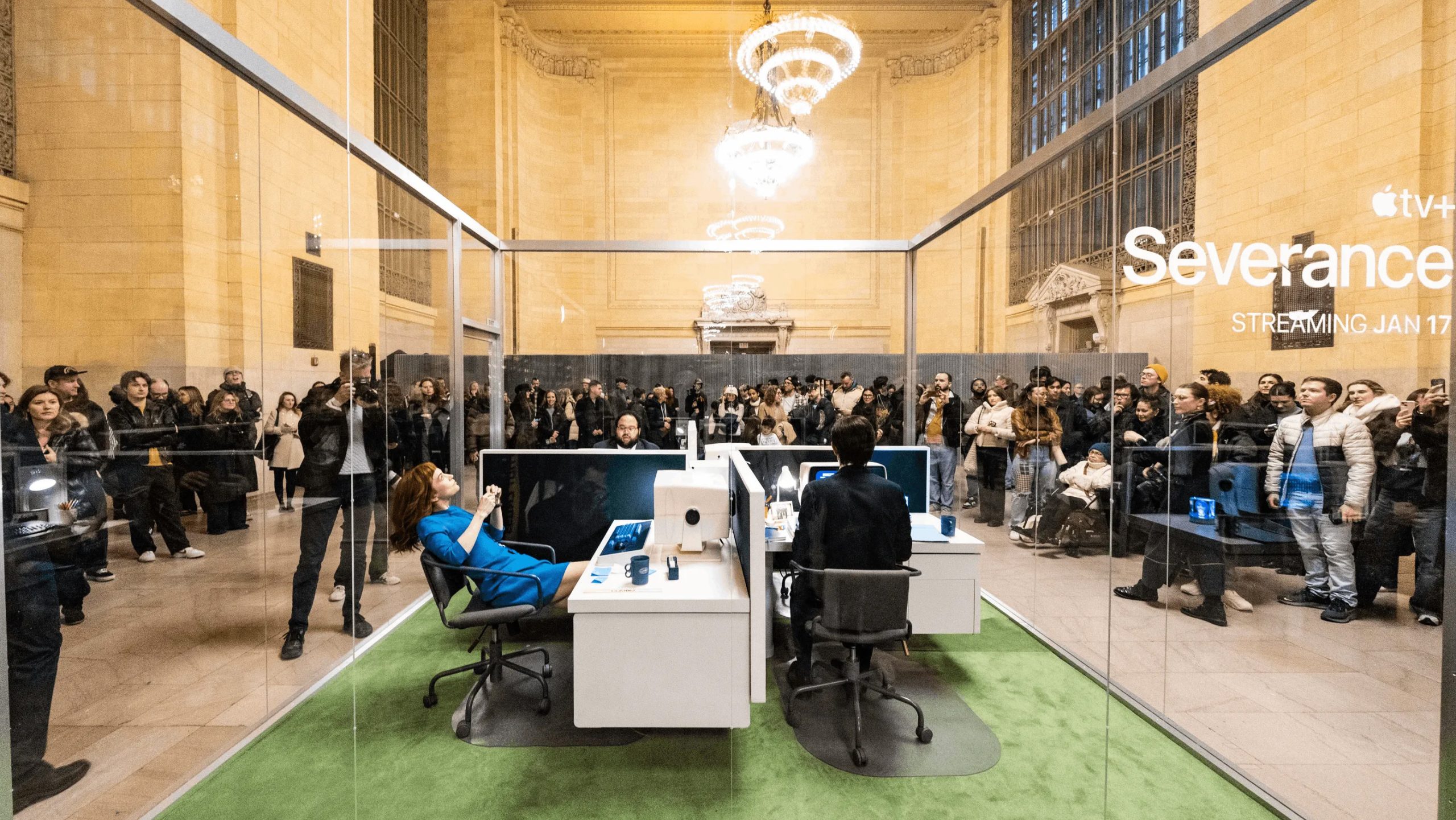
One such standout was the innovative installation inspired by the hit show Severance. Set in New York City’s Grand Central Terminal, the campaign recreated the show’s eerie office environment inside a sleek glass cube. Complete with actors portraying “severed” employees, the scene captivated onlookers, serving as both a promotional event and a conversation-starter about work-life balance and corporate culture.
Entertainment Meets Experience
Bringing fictional worlds to life was a key trend this year. The Severance cube, developed by creative agency Kamp Grizzly, didn’t just advertise the show—it transported viewers into its reality. Passersby were intrigued by the sterile office setting, which was meticulously designed to mirror the show’s aesthetic. The presence of real actors performing mundane tasks in character added an uncanny layer of authenticity.
This campaign demonstrated how immersive entertainment marketing can extend the narrative of a show beyond the screen. By letting fans step into the world of their favorite series, brands create memorable engagements that build loyalty and buzz.
Human-Centered Strategy Takes Priority
According to industry insiders from AMP, the most successful experiential campaigns in 2025 prioritized human interaction and emotional connection. These activations focused less on flashy tech and more on storytelling, community, and personal relevance.
“We’re seeing a shift toward experience design that reflects real human needs and values,” said an AMP strategist. “Instead of gimmicks, brands are investing in moments that feel meaningful and authentic.”
This human-first approach is evident in campaigns like Patagonia’s pop-up repair workshops or Dove’s body positivity mirror installations. These activations don’t just promote products—they embody brand values and engage people on a personal level.
Technology Enhances, Not Replaces, Experience
While technology continues to play a role in experiential marketing, 2025 showed that tools like AR and AI are most effective when used to enhance human connection, not replace it. Brands are moving away from tech for tech’s sake and instead integrating it in ways that support storytelling and interactivity.
For example, a recent campaign by a global beverage brand used augmented reality to let users unlock stories from farmers who grew the ingredients. By scanning packaging with their phones, consumers accessed immersive documentaries, creating an emotional tie to the product’s origin.
This blend of digital and physical experience is proving to be a winning formula, particularly when it taps into values like sustainability, transparency, and community impact.
Brands as Cultural Curators
Another trend emerging in 2025 is the idea of brands acting as cultural curators. Companies are increasingly using experiential marketing to align with music, art, and social movements that resonate with their audiences.
One notable example was a sneaker brand’s partnership with local graffiti artists to create live murals in urban spaces. These murals not only showcased the brand’s latest designs but also provided a platform for community voices and creative expression.
“People want their brands to stand for something,” said a campaign creative director. “Experiential marketing allows us to demonstrate those values through action, not just advertising.”
Looking Ahead to 2026
As we look toward 2026, the role of experiential marketing is expected to grow even further. With consumers demanding more meaningful engagement, brands will need to continue investing in creativity, empathy, and authenticity. The most successful campaigns will be those that not only entertain but also resonate on a deeper level.
In a world saturated with digital noise, real-world experiences offer a way for brands to cut through the clutter and make lasting impressions. From immersive installations and pop-up events to cause-driven activations, the experiential space is where storytelling meets strategy—and where brand loyalty is born.
This article is inspired by content from Original Source. It has been rephrased for originality. Images are credited to the original source.