

Mike Tyson’s Super Bowl Message: Choose Real Food Over Processed Snacks
As millions of Americans gathered around their TVs for the Super Bowl, what typically dominates the event—commercials featuring beer, wings, and nachos—was upended by a powerful message from Mike Tyson. In a striking 30-second Super Bowl ad, the former heavyweight boxing champion urged viewers to reconsider their food choices and embrace real food over processed alternatives. This bold advocacy spot, created by the MAHA Center as part of the Make America Healthy Again movement, sparked conversation nationwide about the dangers of processed food.
The MAHA Movement Goes Mainstream
The real food campaign is the brainchild of the MAHA Center, an advocacy group closely aligned with Health and Human Services Secretary Robert F. Kennedy Jr. Their goal: to bring attention to the health risks posed by processed food and encourage Americans to adopt healthier habits. In the commercial, Tyson candidly recounts his personal struggles with weight and unhealthy eating, admitting he once weighed 345 pounds and would eat “a quart of ice cream every hour.” He also shares the tragic story of his sister, who died at 25 from a heart attack linked to obesity.
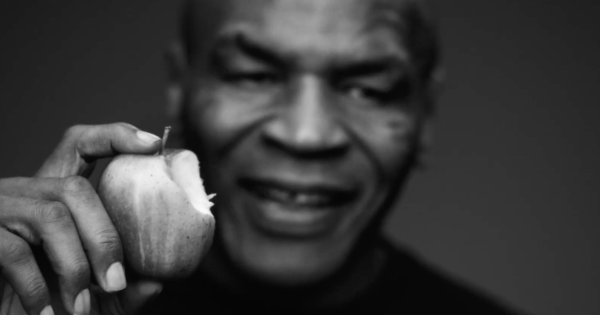
The ad concludes with Tyson and his son enjoying apples, a powerful image that underscores the central message—choose real food for better health. The campaign directs viewers to RealFood.gov, a government site featuring new dietary guidelines released in January, to further promote healthier eating habits.
High Stakes, High Visibility
Securing a Super Bowl ad spot is no small feat. According to Tony Lyons, leader of the MAHA Center and a Kennedy ally, the organization raised funds from wealthy donors to ensure their message could compete with the world’s biggest brands. Lyons explained that the campaign’s ambition was to create a moment as memorable as the most talked-about commercials, but with a message that could impact public health.
Robert F. Kennedy Jr. amplified the campaign on social media, calling it “the most important message in Super Bowl history.” The ad’s stark warning—“processed food kills”—stood in sharp contrast to the game’s usual celebration of snacks and indulgence, making it one of the event’s most surprising moments.
Public Health Concerns and Political Impact
Public anxiety about processed food is at an all-time high. Polls reveal that parents across the political spectrum agree that highly processed foods are a significant health risk, particularly for children. The real food movement, fueled by the Super Bowl ad, taps into this widespread concern. The MAHA Center’s efforts focus not only on processed foods, but also on the dangers of artificial dyes and other additives commonly found in the American diet.
However, nutrition experts have noted that while the ad’s blunt tone grabs attention, its stark messaging around obesity could alienate some viewers. According to The New York Times, experts caution that such dramatic criticism might backfire by stigmatizing individuals struggling with weight, rather than offering constructive solutions.
The Reality of America’s Food System
Despite the compelling call to action, the campaign faces a complex food landscape. Ultraprosessed foods make up about 70% of the U.S. food supply, making them the default choice for many households due to their affordability and convenience. This presents a major challenge for the real food movement: while the message is simple, the systemic issues at play are deeply entrenched.
The ad’s impact lies in its ability to spark a dialogue about the place of processed food in American life and the steps individuals and policymakers can take to shift toward healthier eating habits. For a brief moment during the Super Bowl, Tyson’s apple bite became a symbol of resistance against unhealthy eating norms.
Conclusion: A Real Food Revolution?
The Mike Tyson Super Bowl ad, powered by the MAHA Center, elevated the conversation on real food and the dangers of processed alternatives to a national stage. By sharing his personal journey and advocating for change, Tyson delivered a message that resonated far beyond the football field. As the debate over America’s food system continues, the simple act of choosing an apple over processed snacks may inspire viewers to rethink their eating habits for good.
This article is inspired by content from Original Source. It has been rephrased for originality. Images are credited to the original source.