

The Power of Memorability in Modern Marketing
In today’s rapidly evolving marketing landscape, the race for algorithmic precision often overshadows a more enduring principle: memorability. While data-driven strategies offer surgical targeting and scalable reach, they frequently lack the emotional resonance that fosters long-term consumer loyalty. As digital noise increases, brands that create distinctive and unforgettable experiences stand out and succeed.
Historically, lasting brand equity has been built not just on performance metrics but on emotional connections and cultural relevance. An ad might be perfectly targeted, but if it doesn’t leave a lasting impression, it’s quickly forgotten in a sea of sameness. This realization is pushing marketers to reconsider the balance between precision and creativity.
Case Study: Polaroid’s Revival Through Nostalgia
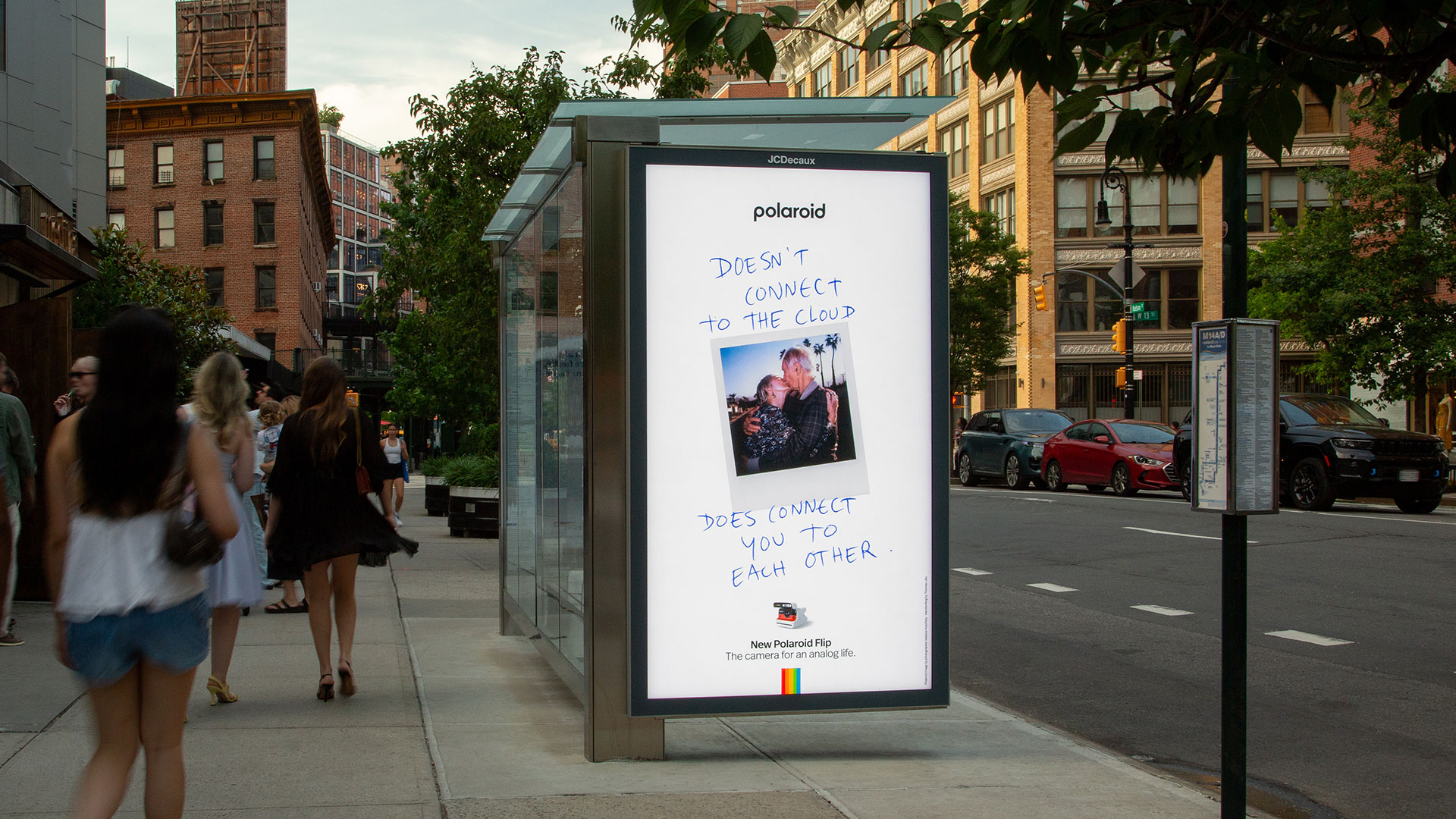
Polaroid’s resurgence is a prime example of how memorability can triumph over digital optimization. Rather than relying solely on programmatic ad buys or keyword targeting, Polaroid tapped into nostalgia and analog charm to reintroduce itself. The brand’s marketing focused on storytelling, design, and emotional connection—strategies that transcended demographic data.
By anchoring its revival in a shared cultural memory, Polaroid created engagement that algorithms alone couldn’t replicate. The result? A deeper, more meaningful relationship with consumers and a revitalized brand identity that extended far beyond the digital space.
Why Precision Alone Falls Short
Precision marketing, driven by analytics and algorithms, has undeniably reshaped the industry. Brands can now target consumers with incredible specificity, reaching the right person at the right time. However, this hyper-targeted approach often leads to creative homogeneity. Ads are optimized for clicks and conversions but lack personality or cultural resonance.
Memorable brands resonate because they evoke emotion, inspire conversation, and stay top of mind. While precision may drive short-term performance, memorability builds long-term brand equity. In a crowded marketplace, being remembered is more valuable than being momentarily noticed.
Strategic Creativity: A Competitive Advantage
Brands must shift from viewing creativity as a risk to embracing it as a competitive advantage. Creative campaigns that break the mold and defy expectations are more likely to be remembered and shared. Whether it’s a bold visual identity, a compelling brand story, or a culturally relevant message, creativity drives memorability.
Moreover, memorable campaigns extend their impact beyond the initial impression. They generate word-of-mouth, inspire user-generated content, and become part of the cultural lexicon. This organic amplification often outperforms paid media in both reach and influence.
Bridging Digital and Physical Touchpoints
Creating memorable experiences isn’t limited to digital channels. In fact, some of the most impactful brand moments happen in the physical world. From immersive retail experiences to tactile product packaging, every touchpoint is an opportunity to reinforce brand identity.
Successful brands integrate their digital and physical presence to create a cohesive, multi-sensory brand experience. This holistic approach ensures that consumers encounter the brand in meaningful ways, whether on a smartphone screen or in a storefront.
The Role of Brand Consistency
Consistency is key to memorability. When a brand maintains a unified identity across every interaction, it becomes easier for consumers to recognize and recall it. This includes visual elements like logos and color schemes, as well as tone of voice and messaging.
Brand consistency builds trust and reinforces familiarity, making each interaction more impactful. When consumers encounter a consistent brand image over time, it strengthens their emotional connection and increases the likelihood of repeat engagement.
Looking Forward: A New Marketing Mindset
To thrive in today’s marketing environment, brands must embrace a mindset that prioritizes emotional resonance over pure efficiency. While data and technology remain essential tools, they should serve to enhance—not replace—creative storytelling and brand distinctiveness.
Marketers should ask themselves not just “Who are we reaching?” but also “Will they remember us?” In a world where attention spans are fleeting and competition is fierce, memorability is the ultimate differentiator.
The future belongs to brands that dare to be bold, authentic, and unforgettable. By focusing on creating meaningful experiences that linger in consumers’ minds, marketers can build stronger connections and drive sustainable growth.
This article is inspired by content from Original Source. It has been rephrased for originality. Images are credited to the original source.