

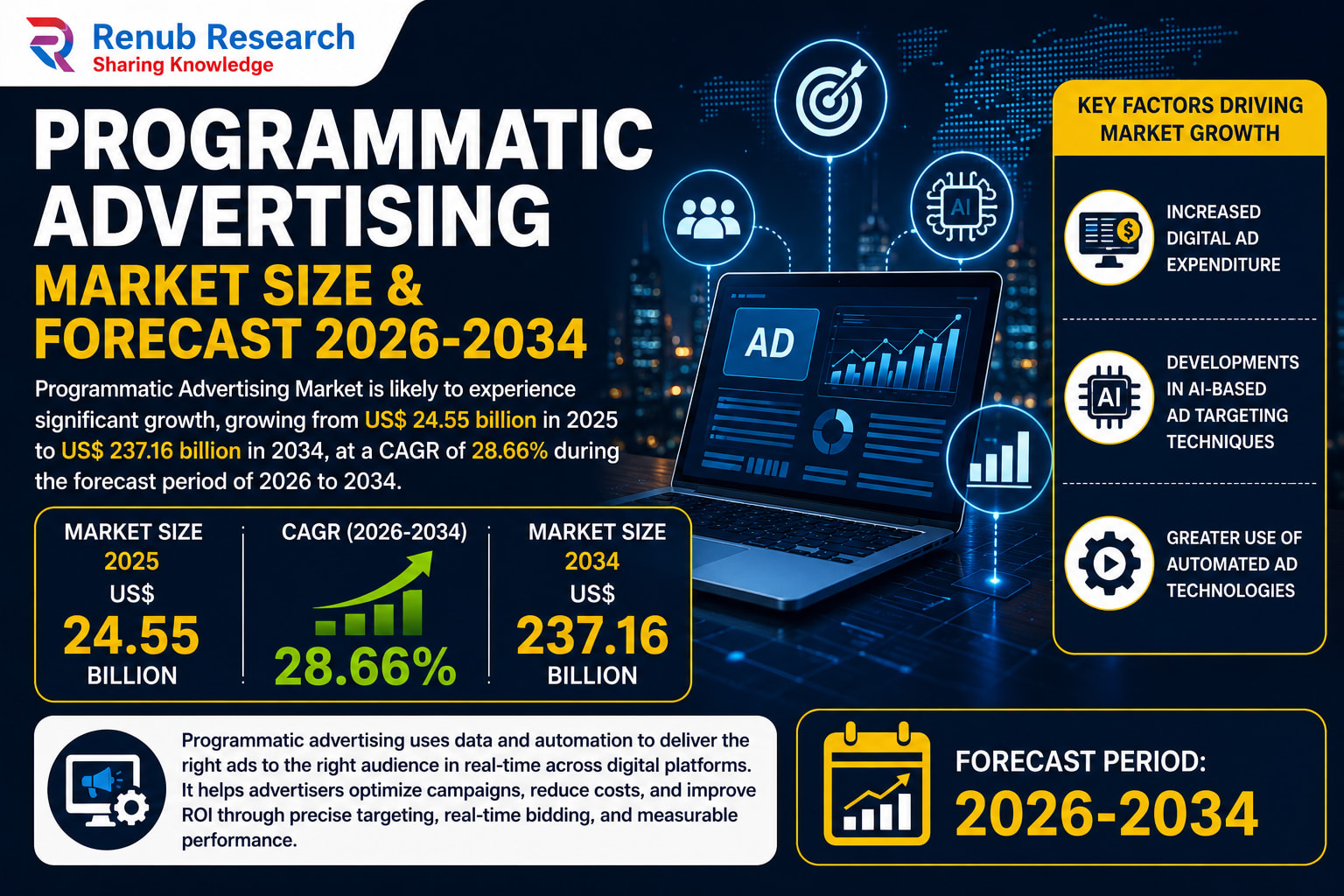
The Rise of Programmatic Advertising in the Digital Age
Programmatic advertising is rapidly reshaping the global advertising landscape as artificial intelligence (AI) and digital media consumption surge worldwide. Brands are shifting their budgets from traditional media buying to automated, data-driven platforms that optimize ad placements in real time. This seismic change is unlocking unprecedented efficiency, precision, and scale for marketers seeking to reach audiences across an ever-expanding array of digital channels.
How Programmatic Advertising Works
At its core, programmatic advertising is the automated process of buying and selling online ad space using AI, machine learning, and real-time bidding (RTB) systems. Unlike manual placements, programmatic platforms leverage data-driven algorithms to match ads with the right audience at the perfect moment. As global digital media use soars, advertisers are increasingly drawn to these solutions for their ability to target users across websites, apps, streaming platforms, and social media with greater accuracy and transparency.
Real-time campaign monitoring and optimization are key advantages of programmatic advertising. Marketers can instantly analyze campaign performance, adjust budgets, and fine-tune creatives based on user engagement data. These capabilities make automated advertising a cornerstone of modern marketing strategies in an age where digital transformation touches every industry.
Digital Media Growth Fuels Programmatic Demand
The explosive rise in digital media consumption is a primary driver for the programmatic advertising market. With internet penetration, smartphone adoption, and mobile connectivity reaching new heights, consumers spend more time than ever engaging with online content. Advertisers are responding by reallocating budgets to digital channels that offer omnichannel reach and measurable results.
Video consumption is a particularly powerful growth engine. According to recent industry reports, global data consumption is expected to rise by over 20% year-over-year, fueled by the demand for video content on mobile devices. Programmatic technology enables brands to target users based on their behaviors, interests, and preferences—delivering relevant messages while minimizing wasted ad spend.
Artificial Intelligence Revolutionizes Targeting
AI and advanced analytics are at the heart of the programmatic revolution. Modern platforms process vast amounts of data in real time, enabling highly personalized ad experiences. Machine learning algorithms optimize ad placements and creative selection, continuously improving engagement rates and return on investment.
With privacy regulations such as GDPR and CCPA restricting third-party data usage, advertisers are turning to first-party data strategies, leveraging customer data platforms (CDPs) to gain deeper insights while maintaining compliance. Innovations like PubMatic’s “AI Insights” are further enhancing the precision and efficiency of programmatic campaigns.
Omnichannel and Movement-Based Advertising
Omnichannel marketing strategies are quickly becoming the norm. Consumers interact with brands across desktops, mobile apps, connected TVs, digital billboards, and more. Programmatic advertising allows for centralized campaign management across these diverse touchpoints, ensuring consistent messaging and optimized performance.
A cutting-edge area within the programmatic advertising market is movement-based advertising, which uses location data to target consumers based on their physical proximity to certain venues or retail locations. This approach is gaining traction in industries like retail, travel, and events, where reaching audiences at the right place and time can drive significant results.
Challenges: Privacy, Fraud, and Transparency
Despite remarkable growth, the programmatic advertising industry faces hurdles. Stricter data privacy laws require brands to rethink data collection and targeting methods, often increasing operational complexity. Ad fraud—including bot traffic and fake impressions—remains a concern, prompting investments in fraud detection and verification technologies. Transparency throughout the ad supply chain is also essential to maintain advertiser trust and ensure that budgets are allocated effectively.
Programmatic Advertising by Channel and Region
Mobile advertising is now the dominant segment in programmatic, thanks to the ubiquity of smartphones and mobile internet. With the rollout of 5G, richer ad formats and interactive experiences are expected to become standard. Display advertising, particularly dynamic and retargeted formats, continues to deliver value for brand awareness and customer acquisition.
Healthcare brands are increasingly leveraging programmatic platforms to deliver personalized, compliant messages to targeted audiences. Regional markets like the United States, United Kingdom, India, and Saudi Arabia are experiencing rapid adoption, each driven by unique local factors such as digital infrastructure, smartphone penetration, and regulatory environments.
Key Players and Future Outlook
The programmatic advertising market is fiercely competitive, with industry giants like Google, Meta, Amazon, Microsoft, Alibaba, Adobe, and The Trade Desk pushing the envelope on AI-driven solutions, fraud prevention, and cross-channel integration. As automation, AI, and real-time analytics continue to advance, programmatic advertising will remain a driving force in global marketing, expected to surpass $237 billion by 2034.
In conclusion, programmatic advertising is transforming how brands connect with audiences in the digital era. While challenges around privacy and fraud persist, the ongoing evolution of AI and data-driven strategies ensures this market will remain at the forefront of marketing innovation for years to come.
This article is inspired by content from Original Source. It has been rephrased for originality. Images are credited to the original source.