

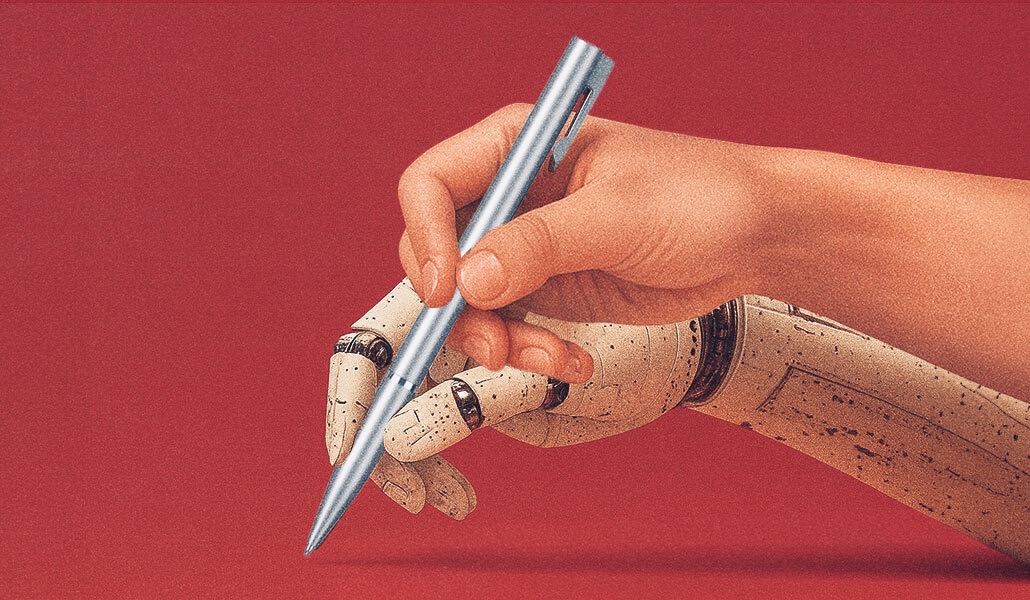
Introduction: The Rise of AI-Powered Ad Agents
The marketing industry is undergoing a rapid transformation with the introduction of AI-powered ad agents by Google. As digital advertising becomes increasingly automated, marketers are facing new challenges around transparency, control, and accountability. The rollout of these advanced AI tools signals a significant shift, reminiscent of the “black box” concerns marketers experienced with Performance Max (PMax) campaigns, but on an even larger scale.
Understanding Google’s AI-Powered Ad Agents
Google’s latest suite of AI-powered ad agents is designed to automate campaign management, targeting, and creative optimization. These agents can analyze vast datasets in real-time, make bidding decisions, and adjust strategies autonomously. For marketers, this promises unprecedented efficiency and potential performance gains. However, it also raises critical questions about how much control they really have over their advertising outcomes.
One of the key features of these ad agents is their ability to dynamically adapt to shifting market conditions. By leveraging machine learning, they can respond to user behavior, trends, and real-time feedback. While this can lead to better campaign results, many marketers worry about the lack of transparency in decision-making. This “black box” approach makes it difficult for advertisers to fully understand why certain strategies are chosen or how budgets are allocated.
Transparency and Trust: The New Currency in Digital Advertising
With the rise of AI-powered ad agents, trust has become more important than ever. Marketers must rely on Google’s algorithms to act in their best interests, but without clear visibility into the inner workings of these systems, skepticism is growing. Many industry experts argue that “trust becomes the product”—a sentiment echoed by marketers who feel increasingly removed from the decision-making process.
Transparency issues are not new in digital advertising, but the complexity of AI-driven tools amplifies these concerns. Marketers are demanding more insight into how AI agents operate, which data they use, and how performance is measured. Without adequate transparency, brands risk misaligning their marketing goals with the automated choices made by these systems.
Balancing Automation with Human Oversight
While the promise of AI-powered ad agents lies in their ability to optimize campaigns at scale, marketers are seeking reassurance that human expertise remains relevant. Many are adopting a hybrid approach—leveraging AI for data analysis and operational efficiency while maintaining oversight on strategy and creative decisions.
Experts recommend that marketers establish clear performance benchmarks and regularly audit the outcomes delivered by AI agents. By doing so, they can maintain accountability and ensure that campaigns align with brand values and business objectives. Additionally, fostering a culture of collaboration between marketing teams and technology providers can help bridge the trust gap.
The Future of AI in Digital Advertising
The evolution of AI-powered ad agents is reshaping the landscape of digital marketing. As these tools become more sophisticated, the industry will need to adapt by developing new standards for transparency, accountability, and ethical AI use. Marketers who embrace this change and proactively address trust issues will be better positioned to harness the full potential of AI-driven campaigns.
Ultimately, the relationship between marketers and AI technology will depend on mutual trust. Google and other ad tech providers must prioritize transparency and provide marketers with the insights they need to make informed decisions. In this new era, trust is not just a value—it’s the cornerstone of successful marketing partnerships.
Conclusion: Embracing the AI-Powered Future
As Google’s AI-powered ad agents become central to digital advertising, marketers must navigate a landscape where trust, transparency, and human oversight are more crucial than ever. By balancing automation with strategic input and demanding greater clarity from technology providers, marketers can ensure that their campaigns remain effective and aligned with their goals. The future of advertising belongs to those who can master both the art and science of AI-driven marketing.
This article is inspired by content from Original Source. It has been rephrased for originality. Images are credited to the original source.