

Anime Marketing: The New Frontier in India’s Advertising
Anime marketing is rapidly transforming the Indian advertising landscape as brands tap into a surging fanbase. With over 118 million anime viewers in India, companies are leveraging anime IP collaborations to directly engage Gen Z consumers—a demographic known for its digital-first habits and strong brand affinities. This shift towards fandom-driven, immersive campaigns is making anime marketing a pivotal strategy for brands hoping to stand out in a saturated marketplace.
The Rise of Anime IP Collaborations
Initially, anime marketing in India meant limited-edition products and surface-level promotional tie-ins. Today, the approach has matured into an IP marketing ecosystem that spans fashion, food, live events, and entertainment. Brands like KitKat have made headlines with installations such as a giant One Piece-themed pirate ship, while MuscleBlaze has launched India’s first anime-fitness collaboration using the Naruto IP. These efforts are not just about product placement; they create immersive experiences that resonate with a deeply engaged fan community.
According to GEM Partners’ Anime Global White Paper 2026, India has clinched the third spot globally in anime viewership, boasting a 41% market penetration and a growth rate exceeding 30% between 2020 and 2025. The market, valued at $1.22 billion USD in 2025, is forecast to reach $3.32 billion by 2034, underscoring the enormous potential for brands investing in anime marketing.
Fandom-Driven Strategies and Lifestyle Branding
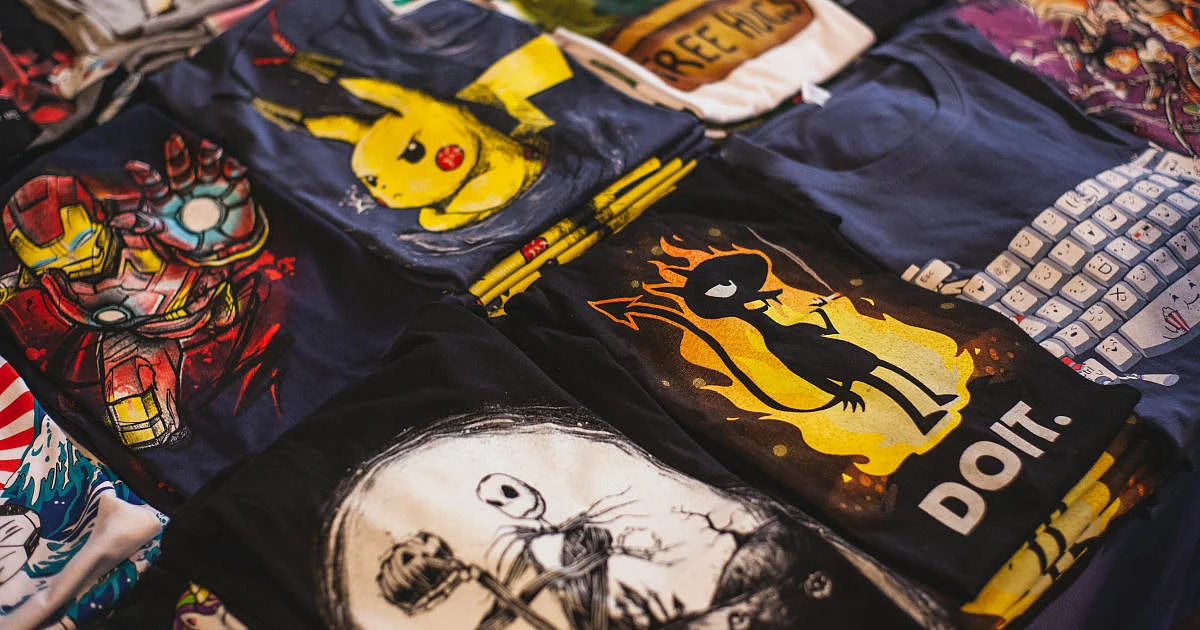
The latest anime marketing trends reveal a shift from basic logo placements to immersive fandom experiences. Brands such as Blinkit, Bewakoof, and The Souled Store are expanding the reach of anime-inspired visuals and creator partnerships. For instance, The Souled Store now attributes 47% of its revenue to merchandise, with a 160% repeat purchase rate. Licensed anime merchandise commands higher price points, reflecting the value that consumers place on authenticity and identity-driven products.
As Shubham Gupta, Founder of Bonkers Corner, observes, “Gen Z isn’t just buying clothes, they’re buying identity.” This sentiment is echoed by Jatin Varma, Founder of Comic Con India, who notes that for fans, anime merchandise blends utility, fashion, and identity, with identity at the core.
Global brands are also taking note. Nike is preparing to launch an Air Max Plus x One Piece Devil Fruits collection in 2026, illustrating how anime IP collaborations are now influencing even the high-end footwear market. These partnerships are helping brands embed themselves within pop culture, reaching consumers in authentic and memorable ways.
Why Anime Marketing Resonates with Gen Z
The power of anime marketing lies in its ability to cultivate passionate, loyal communities. According to N. Chandramouli, CEO of TRA Research, “With rising fan culture, better IP management and a maturing consumer base, we’re entering a high-growth phase.” While television remains a dominant channel with a 28% market share, streaming platforms have democratized access, turning anime from a niche interest into mainstream entertainment. This, in turn, fuels growth in collectible merchandising and fast-fashion trends linked to anime IPs.
Anime isn’t just popular with Gen Z—15-20% of children’s programming in India now features anime, expanding the future buyer base. As Rajni Daswani, Chief Growth Officer at SoCheers, explains, streaming has “transformed anime from a subcultural pursuit into mainstream appointment viewing and handed brands access to deeply engaged fandom ecosystems.”
Challenges and Opportunities Ahead
Despite the explosive growth, anime marketing in India faces challenges such as piracy, fragmented licensing, and limited reach outside urban centers. To unlock the next wave of growth, brands must tailor their anime marketing strategies for tier-2 and tier-3 cities, engaging new demographics and expanding the fandom ecosystem.
Yosuke Murai, India’s Head of dentsu Sports & Entertainment, emphasizes that when brands participate authentically in anime communities, they are embraced as cultural participants, not just advertisers. This approach is essential for brands looking to build long-term loyalty among Gen Z consumers.
Conclusion: The Future of Anime Marketing in India
Anime marketing is no longer a niche tactic in India—it’s a mainstream vehicle for brand engagement and identity-building, especially among Gen Z. As more brands invest in IP collaborations, immersive experiences, and targeted merchandise, anime marketing will continue to shape the future of advertising in India’s dynamic economy.
This article is inspired by content from Original Source. It has been rephrased for originality. Images are credited to the original source.