

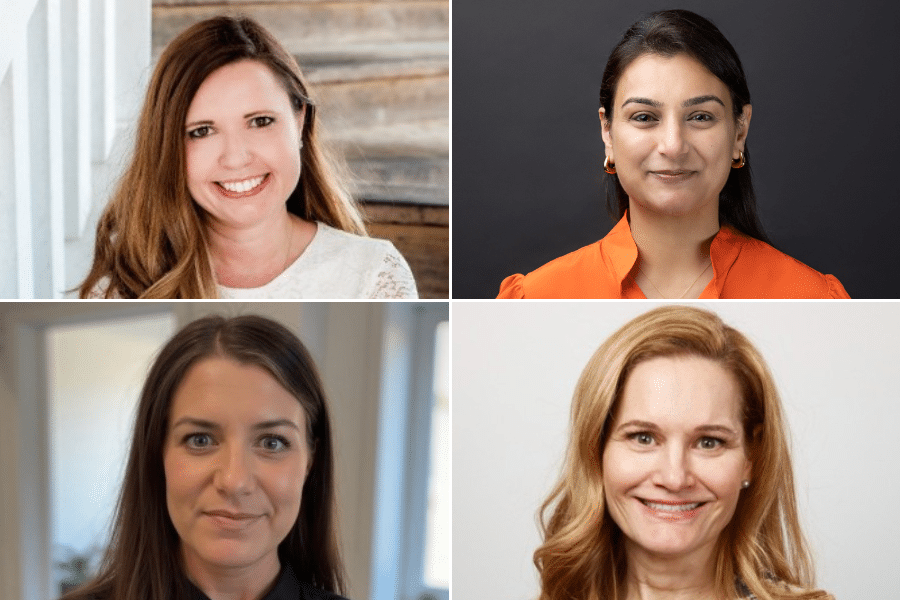
International Women’s Day 2026: Striving for Balance
International Women’s Day 2026, with its powerful theme “Balance the Scales,” serves as a timely call to action for the advertising and marketing industries. As innovation continues to reshape these sectors, ensuring women have an equal voice in decision-making rooms is more vital than ever. Across marketing, tech, legal, and loyalty, women leaders are reflecting on ongoing barriers and the need to create systems where women can thrive and influence outcomes.
Systemic Barriers Start at Home and Work
Dr. Anna Harrison, founder of RAMMP, highlights that women’s underrepresentation is not about capability but rather the unequal distribution of responsibilities. “Balance the scales” means building systems at home and at work that do not collapse under the weight of assumed obligations. Traditionally, tasks like preparing children’s lunches or managing family needs are coded as “women’s work,” a dynamic that limits workplace equality. Dr. Harrison argues that genuine change requires rethinking networking norms and teaching all children, regardless of gender, to share domestic duties.
Collaboration or Compliance?
Fabrizia Roberto, Fractional CMO and founder of fabriziaroberto.com, shares her personal experience with the double standards women face. Women are often praised for being collaborative, but when they assert themselves, they risk being labeled as “difficult.” Roberto observes that true collaboration is not about automatic agreement or appeasement but about challenging assumptions and making decisions with conviction. She emphasizes that real progress in marketing and tech requires leaders who can challenge the status quo and drive meaningful change.
Leadership Imbalance in Adtech
Paige Gordon, manager at Nexxen, points out that despite progress, there is still a significant gender gap at the executive level. In Australia, up to 80% of executive roles in top companies are held by men, and only a handful of major CEOs are women. Gordon sees International Women’s Day as a moment to confront this disconnect. While women are well-represented in day-to-day operations, senior leadership does not reflect this diversity. She urges the industry to acknowledge these gaps and push for greater advancement opportunities for women.
Equity Issues in Female Entrepreneurship
Pip Stocks, founder of The Startup Muse, highlights a troubling trend in startup funding: although women lead 30% of global businesses, women-only founding teams in Australia received less than 0.5% of total venture capital last year. This is not a pipeline issue but an equity and capital allocation problem. Research shows that female-led businesses frequently outperform male-led ones in revenue generation, sustainability, and value creation. Stocks believes that supporting women entrepreneurs is key to long-term industry transformation, as these founders often become future investors and mentors.
Innovating With Diversity and Fairness
Aparna Watal, partner at Halfords IP, advocates for innovation that amplifies human judgment, creativity, and fairness. She notes that technological advances like AI can reduce administrative tasks but risk reinforcing existing biases if not built with diverse perspectives. Watal stresses the importance of designing systems that consider all voices, particularly those from underrepresented groups, to drive equitable innovation and provide opportunities for everyone to lead and succeed.
Accelerating Change Through Measurable Action
Bel Lloyd, customer success lead at Amperity, calls for organizations to set measurable gender balance goals at all levels, from entry-level to leadership. She recommends investing in bias awareness training and inclusive leadership development. Action, not just discussion, is required—ranging from inclusive hiring and mentorship programs to addressing biases in team structures and technology. Lloyd believes that real change is achieved through clear strategies and strong support among women leaders.
Intentional Sponsorship and Structural Reform
Caitlin Stephens, chief of staff APAC at Eagle Eye, emphasizes the importance of proactive leadership. She believes that women need intentional sponsorship—being recommended for key projects, introduced to investors, and supported in meetings. Stephens advocates for robust policies such as parental leave, flexible work structures, and women’s employee resource groups. These are essential for removing traditional barriers and helping women advance.
A Promising Future in Loyalty and Beyond
Sarah Richardson, founder and director at the Australian Loyalty Association, reflects on significant changes in the loyalty sector as women have gained a seat at the table. The industry has evolved from simple reward systems to complex customer journeys driven by data, personalisation, and AI. Richardson believes that backing women to trust their judgment and removing systemic obstacles enables them to shine. She sees International Women’s Day as a promise for a future where every woman and girl is heard, seen, and valued.
This article is inspired by content from Original Source. It has been rephrased for originality. Images are credited to the original source.