

Navigating the Shifting Landscape of Sports Marketing
Nike’s sports marketing strategy is under intense scrutiny as the brand works to regain its footing in a rapidly evolving industry. While Nike’s iconic status remains unchallenged, recent missteps have raised questions about its ability to connect with core audiences and adapt to new consumer values. The company’s ambitious Win Now turnaround plan, initiated nearly two years ago, has yet to deliver the anticipated results, leaving both industry experts and investors pondering its next move.
Struggles with Execution and Audience Alignment
The most significant hurdle for Nike’s sports marketing efforts appears to be execution rather than ambition. A telling example occurred at the Boston Marathon, where an outdoor ad reading “Runners Welcome. Walkers Tolerated.” sparked backlash among disability advocates and the broader running community. This incident highlighted a disconnect between Nike’s aspirational messaging and the inclusive values that today’s consumers prioritize. Although Nike quickly retracted the ad and reaffirmed its commitment to celebrating all forms of movement, the moment became ammunition for competitors and fueled conversations about the brand’s current direction.
Industry observers like Nate Jaffee, senior vice president of integrated strategy at Praytell, note that Nike seems adrift in the modern media landscape. “They feel really lost to me,” Jaffee remarked, underscoring the challenges of resonating with a more diverse and socially conscious audience. The perception that Nike’s sports marketing is out of step with current values is compounded by stiff competition from upstart brands such as Hoka, On, and Brooks Running, which have gained traction with performance athletes seeking innovative products and authentic community connections.
Inconsistency in Brand Messaging
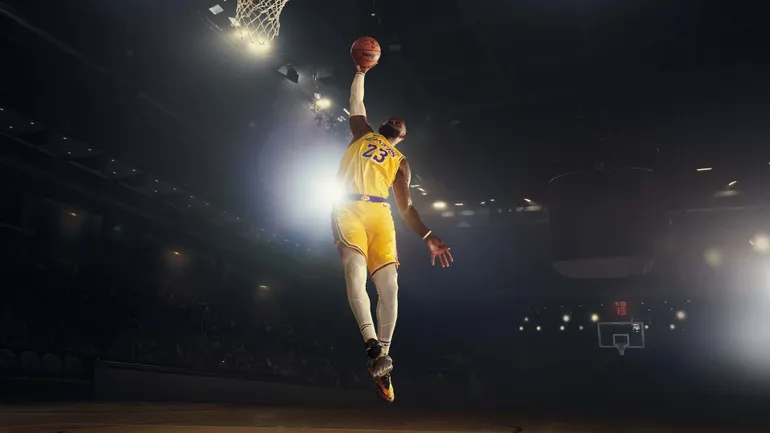
Nike’s attempt to reassert its dominance through high-profile campaigns, such as the gritty “Winning Isn’t for Everyone,” has produced mixed results. While these campaigns feature star athletes like LeBron James and Serena Williams, critics argue that the messaging sometimes clashes with Nike’s foundational belief that “If you have a body, you are an athlete.” This disconnect can alienate broader audiences and undermine the brand’s inclusive legacy.
The company’s marketing inconsistency extends to major events. After making a celebrated return to the Super Bowl in 2025 with “So Win,” a campaign uplifting women in sports, Nike opted out of the big game the following year—despite the surging popularity of women’s athletics. Data from YouGov shows that Nike’s brand consideration among U.S. women rose by over nine points between April and January, particularly among Gen Z women. However, the brand’s absence at Super Bowl LX was felt, representing a missed opportunity to solidify its leadership in this fast-growing segment.
Jenn Szekely, president at design agency Coley Porter Bell, points out that Nike’s recent sports marketing has prioritized short-term wins over long-term brand building, resulting in a fragmented narrative. Ongoing leadership changes and layoffs have further diluted the once-cohesive corporate culture, introducing new layers of complexity to the brand’s positioning.
Opportunities for Brand Revival
Despite these challenges, there are bright spots in Nike’s sports marketing playbook. Recent sales gains in North America—up 9% in Q2 and 3% in Q3—demonstrate the brand’s underlying strength, even as losses in China offset these advances. Notably, Nike’s investment in women’s sports, exemplified by its partnership with WNBA star Caitlin Clark, has paid dividends in brand perception among young women. Brandy Hecke of YouGov observes that Nike is finally positioning women’s sports as a standalone entity, resonating with female consumers who previously saw the brand as male-centric.
However, some critics argue that Nike remains overly reliant on legacy concepts and star athletes, while newer brands succeed by engaging communities and leveraging social content. Quinn Gawronski, senior director at Props, suggests that Nike could regain trust in the running category by amplifying grassroots initiatives and embracing everyday athletes.
Inclusion and Innovation: The Path Forward
Competitors like On, which recently partnered with Zendaya to create a lifestyle-focused collection, illustrate the power of authentic celebrity collaborations and cultural relevance. On’s willingness to incorporate outside creative voices has fueled double-digit sales growth and set a benchmark for the industry. While Nike’s own collaborations, such as NikeSkims, generate buzz, analysts note that their impact often falls short compared to the more personality-driven campaigns of rivals.
Looking ahead, major events like the FIFA World Cup present significant opportunities for Nike’s sports marketing to reclaim its narrative. As the brand reiterates its commitment to emotional storytelling and athlete empowerment, the coming months will test whether Nike can adapt its strategy to meet the demands of an increasingly fragmented and value-driven marketplace.
Conclusion: Can Nike Regain Its Edge?
Despite recent stumbles, Nike’s sports marketing machine remains a force in the industry. By embracing inclusion, leveraging its athlete partnerships, and focusing on community-driven initiatives, Nike can still win back consumer trust and reinforce its legendary status. The brand’s journey serves as a case study for the evolving dynamics of sports marketing in a world where authenticity and purpose are paramount.
This article is inspired by content from Original Source. It has been rephrased for originality. Images are credited to the original source.