

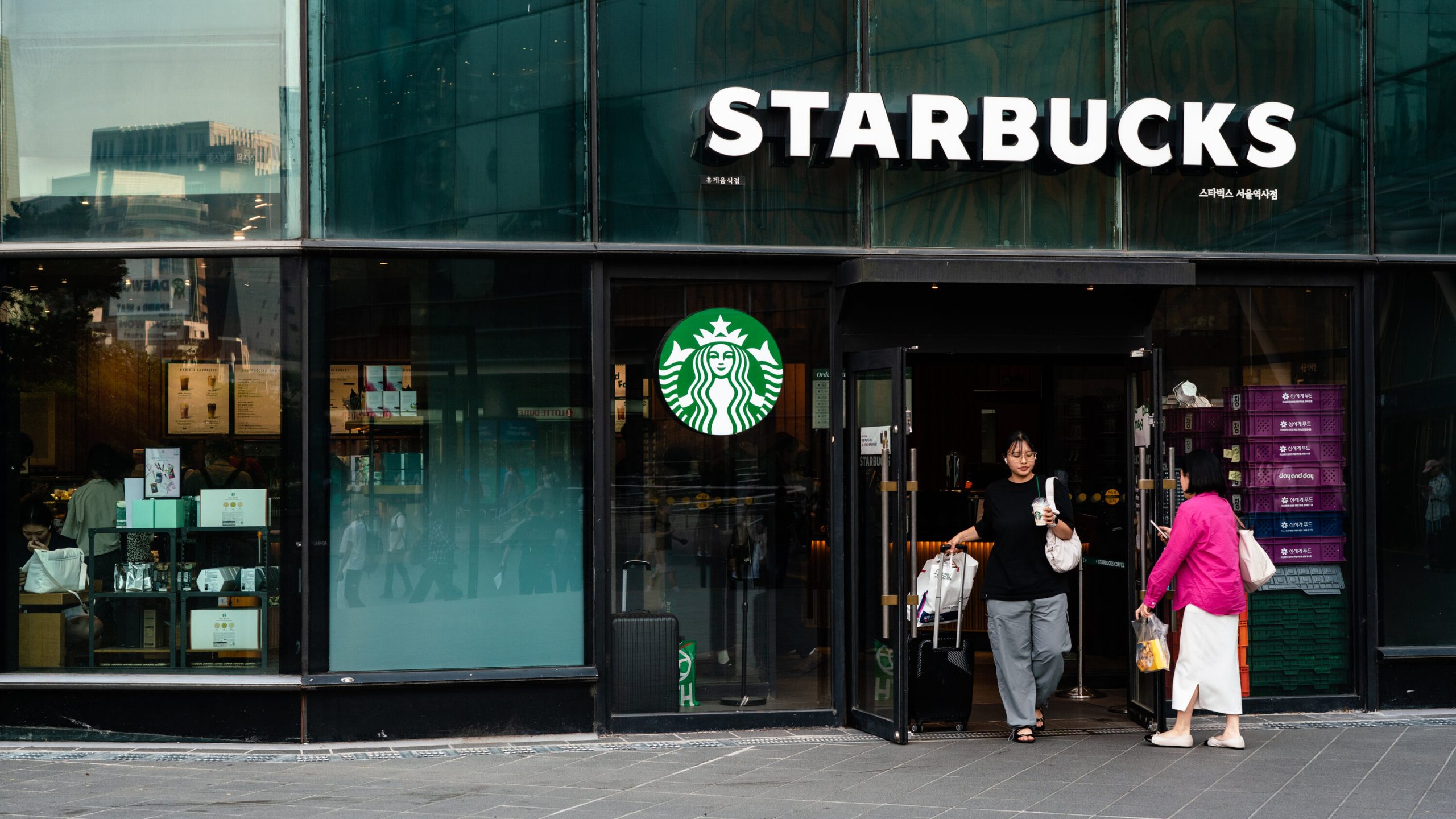
Starbucks Korea’s Misstep with ‘Tank Day’ Promotion
Brand crisis management took center stage this week as Starbucks Korea found itself embroiled in controversy over a marketing campaign that unintentionally evoked the nation’s painful history. The company launched a promotion for its popular drink tumblers, dubbing the event ‘Tank Day’—a move that coincided with the anniversary of the May 18 Gwangju Democratization Movement, one of South Korea’s darkest chapters.
The focus_keyword, brand crisis management, became crucial as the campaign quickly drew public outrage. South Koreans remembered the tragic 1980 crackdown, when the military used tanks to brutally suppress pro-democracy protests, resulting in the Gwangju Massacre. By naming its campaign ‘Tank Day’ on such a sensitive date, Starbucks Korea inadvertently stirred up collective trauma and anger.
Immediate Public Outcry and Social Media Boycott
The response was swift and fierce. Social media platforms lit up with calls to boycott Starbucks. Users posted videos smashing Starbucks mugs and tumblers, and screenshots of the Starbucks app being deleted from smartphones. Even President Lee Jae Myung condemned the campaign, labeling it “inhumane” and stating it “mocked the bloody struggle of citizens.”
Within hours, the company’s brand crisis management team halted the promotional event. The chief executive, Son Jeong-hyun, was promptly dismissed, and Starbucks Korea issued a public apology acknowledging the insensitivity of its marketing. The apology noted, “We have recognized that the wording used in our online tumbler sales event contained highly inappropriate references to the May 18 Gwangju Democratization Movement,” promising to review content more thoroughly in the future.
Historical Sensitivities Amplify Brand Crisis
The controversy was not limited to the campaign’s title. Critics pointed out that the ad’s phrase “Thump it on the desk” echoed another notorious incident: the 1987 death of student activist Park Jong-cheol. Authorities had initially claimed Park died after hitting a desk, but it was later revealed he was tortured—a lie that became symbolic of the dictatorship’s brutality. Starbucks Korea extended its apology to Park’s family, further acknowledging the deep wounds its campaign had reopened.
Shinsegae Group, the retail conglomerate operating Starbucks Korea, responded decisively. Chairman Chung Yong-jin called the incident “an unacceptable oversight that trivialized the pain and sacrifices of all those dedicated to the democracy of this country.” The group launched an internal investigation and committed to comprehensive education on historical awareness and ethical responsibility for all employees.
Global Implications and Lessons in Brand Crisis Management
Starbucks Global, headquartered in Seattle, also issued a statement of regret, emphasizing that any offense caused was unintentional. “We recognize the deep pain and offense this has caused, particularly to those who honor the victims, their families, and all who contributed to Korea’s democratization,” the company said.
This episode has become a case study in brand crisis management and the importance of cultural sensitivity for international businesses. The Gwangju Uprising is a foundational event in South Korea’s democratic identity. For many, the incident served as a painful reminder that democracy must be actively protected and that historical trauma cannot be treated lightly by corporations.
Yang Jae-hyeok, a leader of victims’ relatives, summed up the emotions of many: “We feel devastated and furious about this act of insulting May 18 and democracy.” The outrage was compounded by recent political turmoil in South Korea, serving as a stark warning that even global brands must tread carefully in markets with complex historical memories.
Conclusion: The Lasting Impact of Brand Crisis Management
The Starbucks Korea episode highlights the necessity of robust brand crisis management strategies that account for local histories and sensitivities. The rapid response, executive dismissal, and public apologies may help the brand regain some trust, but the incident stands as a cautionary tale for marketers worldwide.
As companies expand globally, understanding and respecting the historical context of their audiences is not just good ethics—it’s essential for avoiding damaging missteps. For Starbucks Korea, the lessons in brand crisis management will likely shape its approach to marketing for years to come.
This article is inspired by content from Original Source. It has been rephrased for originality. Images are credited to the original source.