

Google Launches Native Checkout to Rival Amazon
Google native checkout is the tech giant’s latest move to transform online shopping and challenge Amazon’s dominance in e-commerce. Announced at Google Marketing Live in Mountain View, the new feature allows consumers to shop from multiple merchants directly within Google’s ecosystem—whether they’re watching YouTube videos, browsing Search, or using the Gemini app. By enabling purchases without ever leaving Google’s platforms, the company is fortifying its position as a central hub for digital commerce.
Universal Cart, the centerpiece of Google native checkout, functions as a single shopping cart that integrates seamlessly across various Google surfaces. For example, users can add makeup from Sephora via the Gemini app, home products from Target through Google Search, and shoes from Nike while watching a YouTube video—all in one cart. This streamlined process is powered by the Universal Commerce Protocol (UCP), a new technical standard that allows Google’s backend to communicate directly with merchants’ systems.
Universal Cart and the Walled Garden Strategy
The introduction of Universal Cart is a clear effort by Google to create a more self-contained shopping environment, commonly referred to as a “walled garden.” This move incentivizes users to complete their entire purchasing journey within Google, reducing the need to visit external merchant websites (though the option remains for those who prefer it). Retail launch partners include Sephora, Target, Nike, Ulta Beauty, Walmart, Wayfair, and Shopify, with each merchant retaining legal ownership of completed transactions.
Despite these changes, Google maintains that it is not becoming a retailer or marketplace. Ashish Gupta, vice president and general manager of merchant shopping at Google, emphasized, “We see ourselves as a matchmaker, connecting shoppers directly with businesses. We are not a retailer, we are not a marketplace, and that approach continues to guide us in this agentic era as well.”
Brands and advertisers are also encouraged to adopt UCP, enabling direct purchases from ads across Google-owned platforms. This development further cements the value of Google native checkout for both consumers and merchants.
AI Mode and Next-Generation Ad Formats
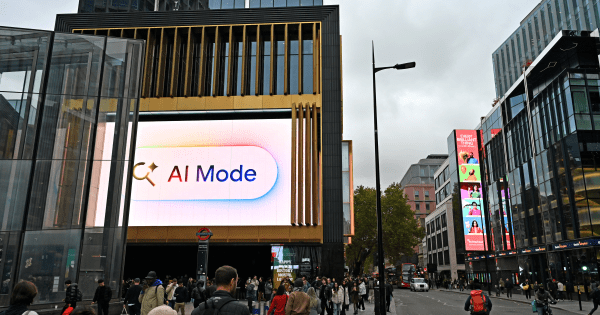
Alongside its commerce innovations, Google is introducing new ad formats within AI Mode, its Gemini-powered search experience. Among the most notable are “Conversational Discovery” units, which serve as direct, contextually relevant responses to user queries. For example, if a user asks for ways to make their home smell like a spa, Gemini can generate a custom ad creative tailored to that scenario.
Another new format, “Highlighted Answers,” features sponsored placements embedded within recommendations generated by the AI engine. However, the most disruptive update is the arrival of Gemini-powered “explainer” features. These explainers synthesize detailed information about products or services, providing users with additional context and aiming to enhance trust in the ad experience. As Dan Taylor, Google’s vice president of global ads, stated, “the best ads are just answers.”
In the coming months, Google plans to roll out additional AI-driven ad units, including an ad format featuring a built-in brand agent for live user interaction and AI-powered Shopping ads that surface in relevant searches.
AI-Powered Orchestration for Marketers
Google is also streamlining the marketer experience across its platforms with the introduction of Ask Advisor, an AI-powered user experience layer. Ask Advisor operates across products such as Google Ads, Google Marketing Platform, Google Analytics, and soon, Merchant Center. It helps marketers manage workflows, set up campaigns targeting new audience segments, and generate on-demand performance reports. Currently in beta, Ask Advisor represents a significant step toward intelligent marketing orchestration.
Other noteworthy announcements from Google Marketing Live include the ability to create YouTube video ads within Asset Studio, the launch of Demand Gen campaigns in Google Maps, and a new reporting metric called Qualified Future Conversions. This metric is designed to connect brand-specific searches with future sales, providing deeper insights into marketing effectiveness.
What’s Next for Google’s AI Commerce Ambitions?
With Google native checkout and a suite of AI-powered ad innovations, Google is positioning itself at the forefront of digital commerce and marketing intelligence. While the company has hinted at bringing ads directly to its Gemini chatbot in the future, no official plans have been announced yet. As AI transitions from potential to everyday reality, these updates signal a new era where Google’s platforms not only facilitate discovery but also streamline the entire shopping and marketing experience for both users and brands.
This article is inspired by content from Original Source. It has been rephrased for originality. Images are credited to the original source.