

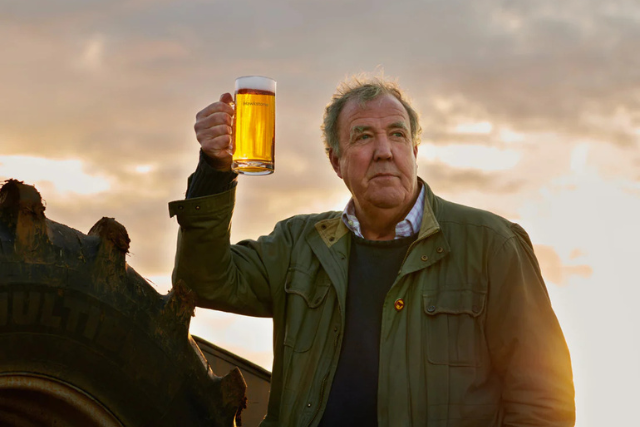
Jeremy Clarkson’s ‘Banned’ Beer Ad: A Masterclass in Marketing
Jeremy Clarkson, the ever-provocative former Top Gear host, has once again captured national attention. This time, it’s through a supposed ‘banned’ TV advert for his Hawkstone lager. While Clarkson claimed the ad was pulled by regulators, a deeper look reveals a more calculated and clever strategy behind the controversy.
The Myth of the Ban
Clarkson’s dramatic announcement suggested that regulators had halted his TV commercial, which featured a choir of 34 farmers singing “F*** me, it’s good” to the tune of Delibes’ Flower Duet. He accused the “fun police in their beige offices” of censoring his creative vision. However, the Advertising Standards Authority (ASA), Clearcast, and Radiocentre all confirmed they never received the advert for review.
In reality, the ad was never officially submitted. This revelation flips Clarkson’s narrative on its head, turning what seemed like regulatory overreach into a savvy marketing move. By claiming censorship, he created a stir that traditional advertising budgets struggle to achieve.
Marketing by Controversy
Within 24 hours of Clarkson’s Instagram post alleging the ban, the ad garnered over half a million views. That’s a level of engagement most brands only dream of, and without a single pound spent on broadcast fees. The ‘banned’ tag added allure and urgency, drawing viewers in droves.
This is classic Clarkson: controversial, strategic, and media-savvy. His approach leverages public curiosity and a rebellious persona, transforming a non-event into a high-impact campaign. It’s not just about selling beer; it’s about selling the story behind the beer.
Playing the Villain to Win Hearts
Clarkson has spent decades cultivating his image as the anti-establishment underdog. From clashes with local councils over his Diddly Squat farm to sarcastic jabs at education systems, he consistently positions himself as the everyman versus the system. The narrative of a misunderstood farmer battling faceless regulators fits neatly into this persona.
Even if the ban was imaginary, the public outrage and media attention were very real. His followers rallied behind him, embracing the idea of a man unfairly silenced for simply trying to promote his beer. This emotional engagement is invaluable in today’s crowded digital marketing space.
Turning Chaos into Sales
Clarkson’s knack for turning controversy into commerce isn’t new. His Hawkstone cider, known for its explosive fermentation, made headlines and flew off shelves. Product recalls, whether for over-fermentation or mislabeling, have only fueled interest thanks to his unapologetically humorous handling of the issues.
By embracing imperfection and drama, Clarkson has turned every hiccup into a marketing opportunity. His latest stunt, the fake ban, is another chapter in this playbook. Rather than apologizing or backtracking, he leans into the chaos, converting attention into sales with impressive efficiency.
The Power of Authenticity
In a market oversaturated with polished influencer campaigns and curated brand personas, Clarkson’s raw, unfiltered approach stands out. Hawkstone is marketed as a British beer made from British barley, promoted by a man who clearly enjoys what he’s selling.
There’s honesty in Clarkson’s irreverence. He doesn’t pretend to be anything he’s not, and consumers appreciate the transparency. That authenticity resonates particularly well with a UK audience increasingly skeptical of corporate spin and influencer endorsements.
It’s no surprise, then, that Hawkstone has become one of the UK’s fastest-growing drinks brands, boasting a 142.88% sales increase over three years and nearly £8 million in turnover. It might have the swagger of an underdog, but it performs like a market leader.
Regulators Left Scratching Their Heads
Despite the buzz, regulatory bodies remain puzzled. The ASA, Clearcast, and Radiocentre all maintain that no submission was ever made, and thus, no ban was ever issued. Yet the ad has dominated headlines and social media feeds, embedding itself in the minds of consumers and industry insiders alike.
Clarkson’s genius lies in his ability to manipulate perception. By suggesting oppression, he crafts a compelling narrative that the public can champion. It’s a clever mixture of performance art and brand strategy, designed to amplify his product without relying on traditional advertising avenues.
Conclusion: Strategy in the Chaos
Jeremy Clarkson may not have fooled the regulators, but he certainly captivated the public. His faux ‘banned’ advert for Hawkstone lager is a textbook example of guerrilla marketing done right. It’s a reminder that in the digital age, the best ads aren’t always the ones that air on TV. Sometimes, the story behind the ad is more powerful than the ad itself.
This article is inspired by content from Original Source. It has been rephrased for originality. Images are credited to the original source.