

Kraft Heinz Breakup Could Reshape Marketing Landscape
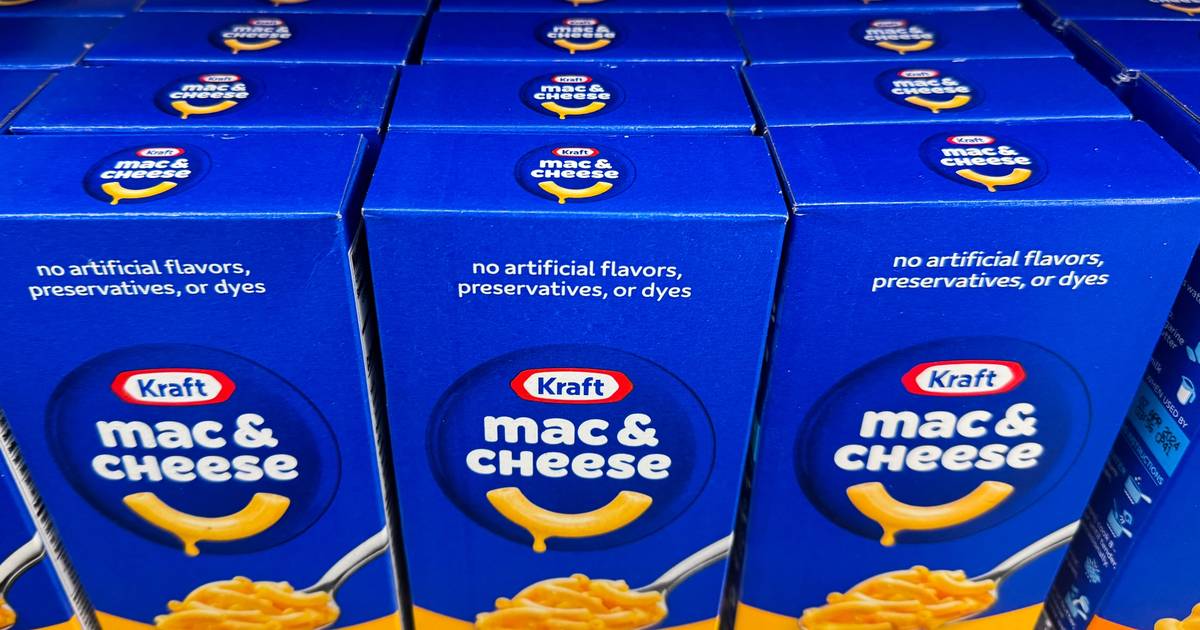
After nearly a decade together, Kraft Heinz may be preparing for a significant structural shift that could split its extensive portfolio of consumer packaged goods (CPG). Formed in 2015 through a merger orchestrated by 3G Capital and Warren Buffett, the conglomerate brought together iconic brands such as Kraft Mac & Cheese and Heinz Ketchup. Now, according to reports from the Wall Street Journal, the company is exploring a potential breakup that could see Kraft-branded grocery items spun into a separate entity worth up to $20 billion.
This potential separation could have profound implications for the company’s advertising and marketing operations, according to industry experts. While Kraft Heinz has not confirmed any plans beyond a statement in May indicating it was evaluating strategic transactions to unlock shareholder value, speculation about a split continues to build.
Untangling a Giant: The Long Road Ahead
Any move to split a company of Kraft Heinz’s magnitude would take years to fully implement. Greg Silverman, global director of brand economics at Interbrand, noted that where a brand lands post-breakup will determine its future value and marketing potential. “If there are synergies—whether in supply chain, brand management, or distribution—that align with the acquiring entity, even underperforming brands can become powerful,” Silverman said.
The repositioning of brands within new corporate entities will also demand a substantial narrative overhaul. Greg Beauchamp, founder and CEO of creative agency Bindery, emphasized the complexity of crafting a new brand identity for each unit. “It’s a process that takes a lot of time to do well,” he said. “Especially for large legacy organizations, aligning all stakeholders across subbrands is a time-consuming effort.”
Creative Freedom and Strategic Shifts
One possible silver lining of the breakup is increased creative freedom for some brands. Sam Piliero, founder of performance marketing agency The Moonlighters, suggested that brands may gain more leeway to take risks and innovate their messaging. “You’re hoping to be on the side that allows more creative freedom,” Piliero said. “That could mean bolder, more engaging campaigns that break through the noise online.”
This creative pivot could be crucial in today’s marketing climate, where standout campaigns often emerge from teams given room to experiment. The restructuring could invite a reassessment of marketing strategies, potentially leading to more daring and differentiated brand voices.
Leadership Uncertainty and Tactical Challenges
As Kraft Heinz considers a breakup, questions loom regarding the future of key personnel, including North American CMO Todd Kaplan. Kaplan, who joined the company in August 2024 from PepsiCo, has already made waves with headline-grabbing campaigns like appointing hip-hop producer DJ Mustard as Heinz’s Chief Mustard Officer and launching new mustard flavors for the first time in nearly a decade.
Behind the scenes, the logistics of a breakup will be daunting. From redistributing ad budgets to reorganizing marketing teams and redefining agency relationships, the process will involve a significant operational overhaul. Piliero estimated that “it will take a minimum of three years to fully untangle the company’s marketing infrastructure,” which includes hundreds of brands and potentially thousands of ad accounts across multiple platforms.
Efficiency Lost, Strategy Reimagined
The 2015 merger of Kraft and Heinz was intended to maximize shareholder value by achieving operational efficiencies. However, that promise has failed to materialize. The company has lost $57 billion in market value over the past decade, and its stock price has dropped by 60%, according to the Wall Street Journal, even though operating profits have grown.
Allen Adamson, co-founder of brand consultancy Metaforce, explained that the original merger was driven by financial goals rather than brand strategy. “The game was to mush it together, cut duplicate marketing and ad roles, and focus on cost savings,” he said. But those efficiencies may now be reversed. A breakup could mean the loss of combined advertising spend power, which industry experts say has been a key advantage of the merged entity.
“You’re going to have to spend money to turn these brands around,” Adamson warned. Without the bargaining power of bundled ad buys, the individual brands may face higher costs and greater pressure to perform.
A Turning Point for CPG Marketing
The potential Kraft Heinz breakup signals a pivotal moment for the future of CPG marketing. While the process will be complex and time-intensive, it could also unlock opportunities for reinvention and creative resurgence. Eunice Shin, founder and CEO of brand consultancy The Elume Group, echoed this sentiment, noting that while the breakup might reduce efficiency, it could also pave the way for a more agile and differentiated approach to marketing.
As Kraft Heinz evaluates its next steps, marketers and brand professionals will be watching closely. The decisions made in the months and years ahead will not only shape the future of these iconic brands but also offer a blueprint for how legacy companies can adapt in an increasingly fragmented and competitive marketplace.
This article is inspired by content from Original Source. It has been rephrased for originality. Images are credited to the original source.