

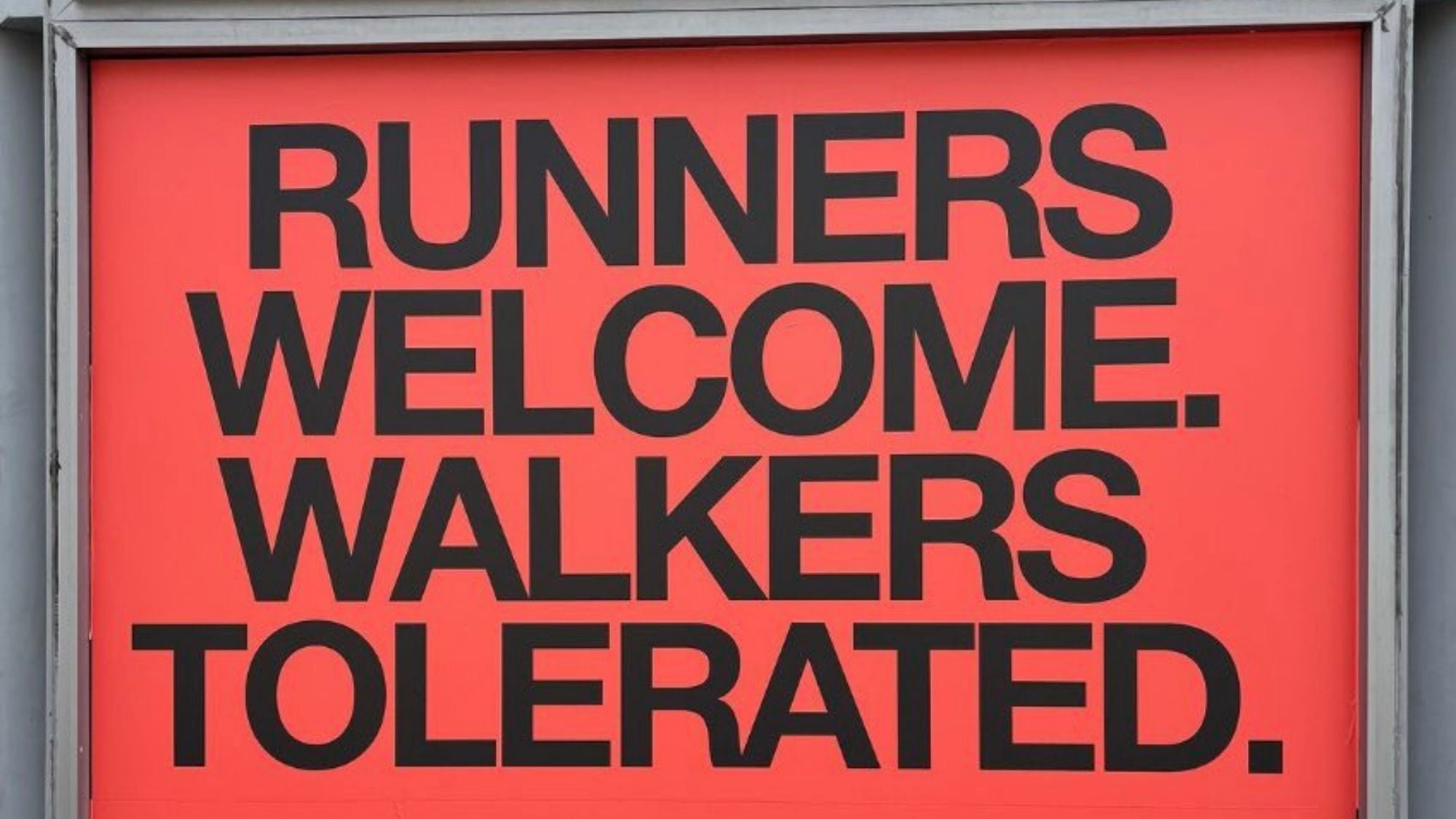
Nike’s Boston Marathon Advertising: A Lesson in Backfired Marketing
Nike Boston Marathon advertising became a hot topic after the brand’s campaign ahead of the world-renowned race sparked intense public backlash. This incident highlights the risks brands face when their marketing strategies clash with local values or sensitive histories, and how quickly consumer sentiment can shift in today’s digital landscape.
The Backstory: Nike’s Bold Campaign
In the lead-up to the Boston Marathon, Nike launched an advertising campaign that was meant to energize runners and celebrate the spirit of competition. However, the campaign’s messaging, which featured bold slogans referencing Boston’s resilience, quickly drew criticism from locals and marathon participants.
Many felt that Nike’s approach trivialized the city’s past tragedies, particularly the 2013 Boston Marathon bombing, by using emotionally charged language in an attempt to appear edgy and relevant. The phraseology struck a nerve, with social media users calling out the company for being insensitive and tone-deaf.
Public Outrage and Social Media Reaction
The Nike Boston Marathon advertising campaign rapidly became a trending topic on platforms like Twitter and Instagram. Critics accused Nike of exploiting the city’s history for commercial gain, with hashtags such as #BoycottNike and #BostonStrong trending nationwide.
Prominent voices in the running community, as well as Boston residents, argued that the campaign crossed a line. They voiced concerns about brands using tragedy and local pride as a marketing tool, emphasizing that authenticity and respect are crucial when engaging with a city’s legacy.
Corporate Response and Damage Control
In response to the growing backlash, Nike issued a public statement expressing regret if their campaign caused offense. The company clarified that their intention was to honor Boston’s unbreakable spirit, not to capitalize on its pain. Nevertheless, the damage to Nike’s reputation was already evident, as the controversy dominated headlines during one of the most important events on the Majors marathon circuit.
This incident underscores the importance of context and cultural sensitivity in brand messaging. As seen with the Nike Boston Marathon advertising controversy, even well-known brands can misstep and face swift public repercussions when campaigns are perceived as insensitive.
Marketing Lessons From Nike’s Misstep
The fallout from Nike’s Boston Marathon campaign offers valuable lessons for marketers and PR professionals. First, understanding the local context is essential. What works in one city or for one audience might be misinterpreted elsewhere, especially when sensitive histories or community pride are involved.
Second, brands must be prepared for rapid feedback cycles. Today’s social media landscape means that any controversial message can go viral in minutes, bringing both national and global scrutiny. Having a robust crisis management plan in place is critical for responding to unexpected backlash.
Third, authenticity matters more than ever. Audiences are quick to spot attempts at capitalizing on emotional events or local tragedies. Brands that want to align themselves with a cause or community must do so respectfully and with genuine intent.
What’s Next for Nike and Major Event Marketing?
While Nike remains a leader in sports marketing, the Boston Marathon advertising backlash serves as a reminder that even the strongest brands are vulnerable to misjudgments. Going forward, marketers will likely scrutinize their campaigns more closely, especially when engaging with events of significant local or historical importance.
Other brands can learn from Nike’s experience by prioritizing empathy, research, and local collaboration when designing event-related campaigns. Aligning with community values and ensuring that messaging resonates on a personal level can help prevent costly PR disasters.
Conclusion: The Impact of Marketing Missteps
The Nike Boston Marathon advertising controversy offers a clear example of how marketing can backfire if it fails to account for local sensitivities and public sentiment. By approaching campaigns with care and prioritizing authenticity, brands can foster positive relationships with communities and avoid similar pitfalls in the future.
This article is inspired by content from Original Source. It has been rephrased for originality. Images are credited to the original source.