

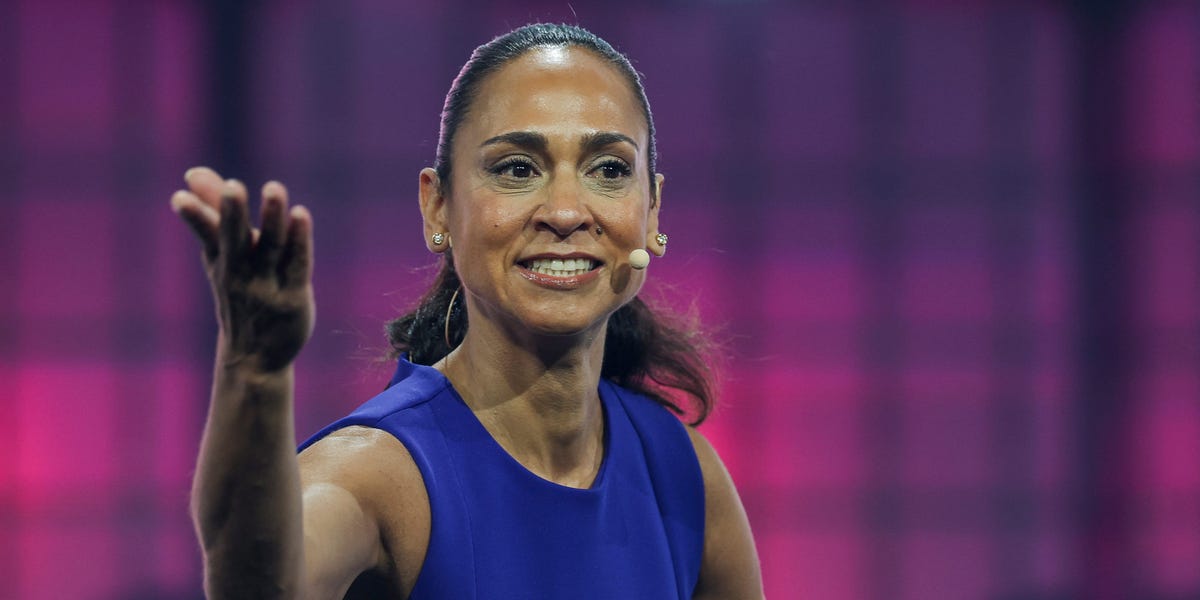
Khartoon Weiss Leaves TikTok After Leading North America Ad Sales
TikTok’s North America ad chief, Khartoon Weiss, is departing the company, marking a significant shift for one of the world’s fastest-growing social platforms. The announcement has sparked industry speculation about the future of TikTok’s advertising strategy in North America, as Weiss played a pivotal role in building relationships with major brands and agencies. For those interested in advertising technology, this leadership change is a critical development to watch.
Khartoon Weiss’s Impact on TikTok’s Ad Business
Weiss joined TikTok in 2020, bringing her extensive experience from agencies like Dentsu and MediaCom. She quickly became a driving force behind TikTok’s rapid rise as a key player in digital advertising. Under her leadership, TikTok expanded partnerships with top brands, introduced innovative ad formats, and connected with younger audiences through creative campaigns.
Her tenure coincided with TikTok’s explosive growth in the U.S. and Canada, where the platform became a must-have for advertisers aiming to reach Gen Z and millennial demographics. As the head of North America ad sales, Weiss was instrumental in building trust with marketers who initially viewed TikTok as a risky or unproven ad channel. Her work helped advertising technology teams across the industry understand the unique strengths of TikTok’s platform.
The Role of Advertising Technology in TikTok’s Success
TikTok’s success in the ad market is closely tied to its use of advanced advertising technology. The platform leverages AI-driven content recommendations, dynamic ad placements, and precise audience targeting to deliver results for advertisers. Weiss championed these innovations, helping to position TikTok as a leader in the ad tech space.
Through her leadership, TikTok launched new ad products, such as interactive branded effects, shoppable videos, and in-feed ads that blend seamlessly with organic content. These advancements in advertising technology have enabled brands to achieve higher engagement and better ROI compared to traditional social ads.
Industry Reaction and What’s Next for TikTok
Weiss’s departure comes at a pivotal time for TikTok. The company faces regulatory scrutiny in the U.S., questions about data privacy, and growing competition from other social platforms. Industry analysts are watching closely to see how TikTok will adapt its advertising technology strategy without Weiss at the helm.
Several industry executives praised Weiss for her vision and ability to bridge the gap between creative marketing and performance-driven ad tech. Her exit leaves big shoes to fill, and TikTok’s next moves could shape the future of digital advertising across North America.
The Broader Impact on AdTech and Social Platforms
Leadership changes like this one underscore the importance of strong relationships and cutting-edge advertising technology in today’s competitive landscape. As TikTok searches for Weiss’s replacement, the industry can expect continued innovation in ad products and data-driven targeting. Marketers will be watching to see if TikTok maintains its momentum or shifts its approach under new leadership.
For advertisers and agencies, the lesson is clear: success in social media marketing depends on staying ahead of technology trends and building authentic connections with audiences. The role of executives like Weiss is crucial in translating platform capabilities into real business value.
Conclusion: The Future of TikTok’s Advertising Technology
Khartoon Weiss’s departure marks a turning point for TikTok and its advertising technology strategy in North America. As the company navigates new challenges, its next steps will be closely watched by the entire ad tech community. For now, Weiss leaves behind a legacy of innovation, partnership, and growth that has reshaped how brands approach social advertising.
This article is inspired by content from Original Source. It has been rephrased for originality. Images are credited to the original source.