

Understanding the Allure of Viral Marketing Stunts
Viral marketing stunts have become a common fixture in the branding landscape, promising brands rapid exposure and online buzz. These campaigns, often bold and unconventional, aim to capture public attention through surprise, humor, or shock value. While some viral marketing stunts succeed in creating memorable moments, others risk falling flat or coming across as inauthentic.
The Double-Edged Sword of Publicity Stunt Marketing
Publicity stunt marketing encompasses a broad range of activities, from cleverly placed billboards to elaborate out-of-home (OOH) campaigns. In recent years, OOH viral marketing stunts have gained popularity among movie studios and big brands eager to break out from traditional advertising. However, not every attempt strikes the right chord with audiences. In some cases, these stunts feel forced or awkward, lacking the originality or context needed to truly resonate.
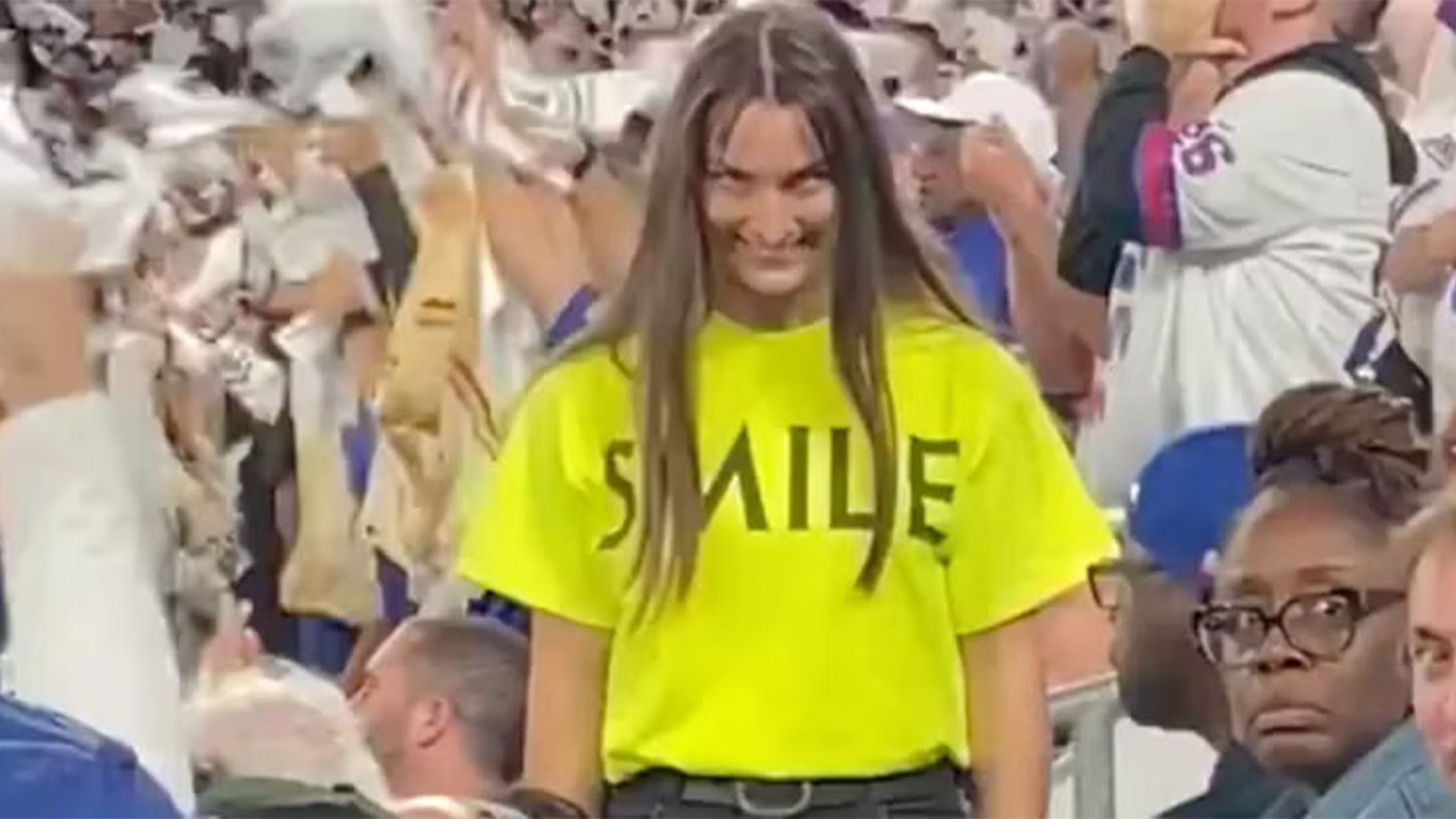
Take, for example, the campaign for the horror film Smile 2. Actors with eerie grins were placed in the background of a live baseball game, hoping to unsettle viewers and spark conversations online. The illusion was quickly broken, however, when one actor flinched during a foul ball, reminding everyone of the unpredictability of live events. This highlights a key risk with viral marketing stunts: the outside world rarely behaves as planned, and a single unscripted moment can dilute the intended impact.
When Viral Marketing Stunts Go Awry
Another recent example involved a stunt promoting the upcoming movie Newborn. Actors dressed in orange jumpsuits were escorted out of a Detroit Pistons game, abruptly ending the campaign. Yet, some fans argued that even this awkward outcome contributed to the stunt’s success, with social media abuzz about the incident. This demonstrates how viral marketing stunts can sometimes thrive on controversy or unexpected events, even if the execution doesn’t go exactly as intended.
The Ingredients of a Successful Viral Campaign
Despite the risks, viral marketing stunts can create unforgettable moments when executed thoughtfully. The horror genre, in particular, has benefited from immersive, reality-blurring campaigns. The Blair Witch Project in 1999 is a classic example: with a tiny budget, the film’s team distributed realistic missing posters and sent interns to tell the tale in public spaces, building a sense of mystery and intrigue. The result was a cultural phenomenon that generated massive box office returns and set the gold standard for viral marketing stunts.
Modern movies continue to push the boundaries of viral campaigns. Alien: Romulus staged a “facehugger invasion” in New York City, while Final Destination used innovative billboards to break the fourth wall. Another standout was the campaign for the Japanese psychological horror film EXIT 8. The character known as ‘The Walking Man’ was seen walking through Manhattan subway stations. Those who dared to say the secret phrase “Turn Back” received a prize, blending real-world interactivity with the film’s chilling narrative.
What Makes Viral Marketing Stunts Work?
There are no strict rules for designing a viral marketing stunt, but several recurring themes define successful campaigns:
- Originality: Simply copying what worked for others rarely yields strong results. Audiences crave fresh, new experiences that feel tailored to the brand or story.
- Intention: A stunt should have a clear purpose and story behind it. Randomly placing actors in public spaces without context often fails to engage or excite audiences.
- Immersion: The best viral marketing stunts make participants feel part of the story, creating a deeper emotional connection and encouraging organic sharing on social media.
When these elements combine, viral marketing stunts can cut through the noise and leave a lasting impression. However, missteps can just as easily result in campaigns that are labeled “cringe” by internet culture, damaging brand reputation.
Striking the Right Balance
Ultimately, viral marketing stunts are a high-risk, high-reward strategy. Brands that prioritize creativity, context, and authentic engagement tend to see the best results. As digital audiences become more discerning, it’s crucial to avoid rehashed trends and instead focus on meaningful, immersive experiences.
Viral marketing stunts will continue to evolve, challenging marketers to find new ways to surprise and delight audiences. When done right, they offer a powerful way to break through the clutter and create unforgettable brand moments. But it’s a delicate balance—get it wrong, and your brand risks becoming the latest internet punchline.
This article is inspired by content from Original Source. It has been rephrased for originality. Images are credited to the original source.