

Introduction: A Marketing Blunder Ignites Outrage
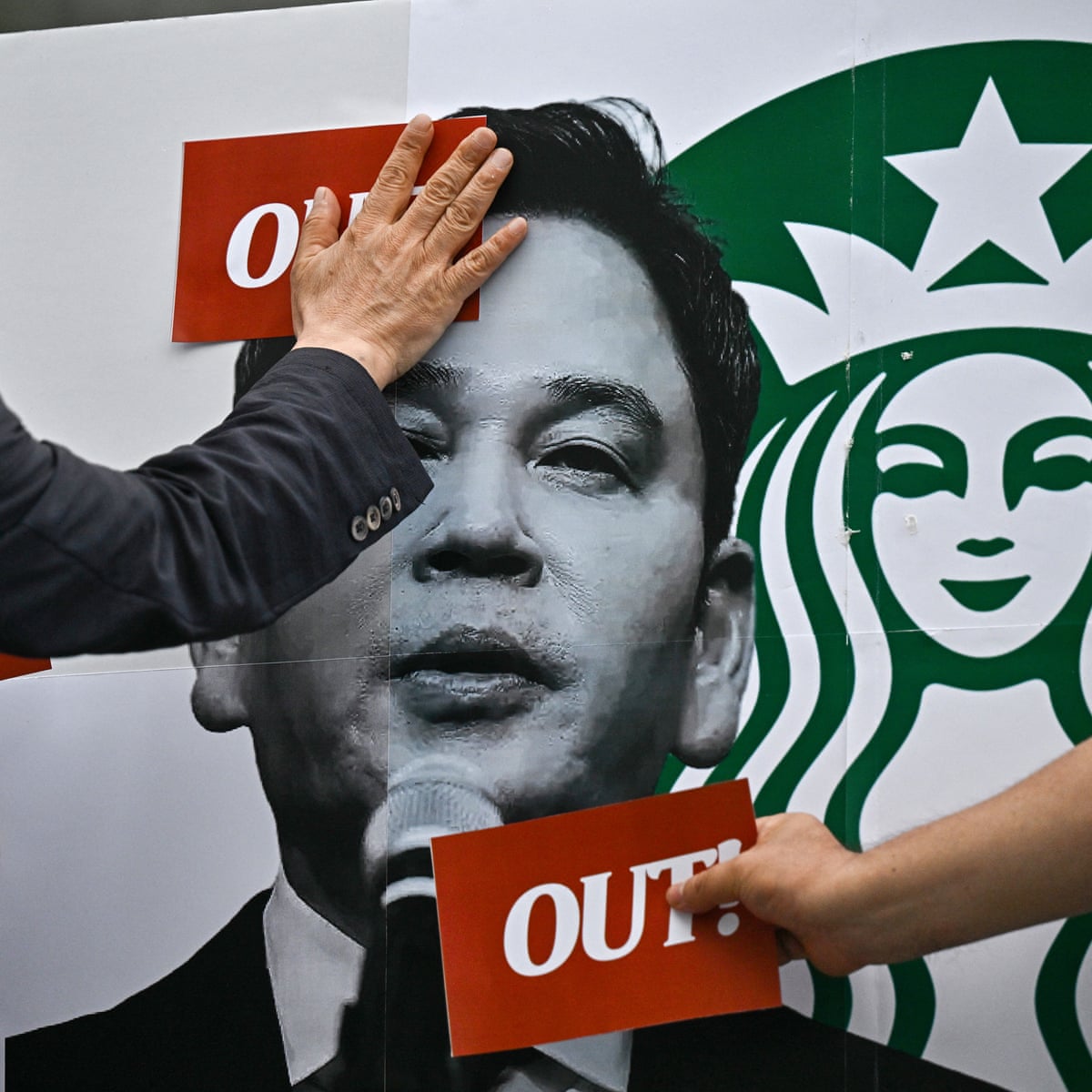
Brand reputation management became the central issue in South Korea after Starbucks Korea launched a marketing campaign that spiraled into a PR disaster. On 18 May, the company introduced its new “Tank” tumbler series with a promotion titled “Tank Day,” unwittingly coinciding with the anniversary of the Gwangju massacre—a deeply sensitive and significant date in South Korean history. The misstep triggered widespread boycotts, a government backlash, and a dramatic fall in consumer trust.
The Promotion That Sparked a Firestorm
The “Tank Day” campaign aimed to highlight the spacious volume of Starbucks’ new tumblers. However, the use of the word “tank” and the campaign’s timing on 18 May—the day commemorating the military’s violent suppression of pro-democracy protests in 1980—was seen as highly insensitive. The brand’s chosen slogan, “thwack on the desk,” further inflamed public sentiment, echoing a notorious phrase linked to the dictatorship era.
As news of the campaign spread, social media exploded with videos of customers smashing Starbucks tumblers and mugs. Protests erupted outside Starbucks outlets, while loyalty app users deleted their accounts and demanded refunds. The backlash was swift and fierce, with many South Koreans perceiving the campaign as a trivialization of national trauma.
Corporate Fallout and Public Apologies
Within hours, Starbucks Korea canceled the promotion and dismissed CEO Son Jeong-hyun. Still, the damage was done. The parent company, Shinsegae Group, whose chairman Chung Yong-jin operates Starbucks in South Korea, issued a written apology. Days later, Chung appeared on national television, bowing repeatedly in a traditional act of contrition. Despite these efforts, bereaved families and advocacy organizations rejected the apologies, calling for legal action against company executives.
The impact on brand reputation management was immediate. Card payment volumes at Starbucks stores dropped by 26% within a week, with May’s overall sales plummeting 10% compared to the previous month. Customers attempted to withdraw funds from Starbucks prepaid cards, totaling an estimated 400 billion won ($260 million). Government agencies severed ties with the chain, suspending official purchases and partnerships.
AI Misstep and Internal Communication Failures
Shinsegae Group later revealed that marketers had selected the controversial slogan after consulting an AI tool for suggestions. Some managers, it turned out, had not reviewed the email attachments containing the marketing materials before approval. The lack of oversight and cultural awareness underscored the risks of relying solely on technology for campaign ideation without human context—a critical lesson in brand reputation management.
Starbucks Corporation in Seattle, which licenses its brand to Shinsegae but owns no equity in the Korean operation, issued a rare statement expressing deep regret. The company promised to review internal protocols and implement better training to prevent future incidents.
Political and Social Repercussions
The controversy quickly transcended the business realm, entering the political sphere. The South Korean president publicly condemned those responsible, while political leaders called for further accountability. The incident reignited debates about democracy, historical memory, and the role of corporations in respecting national traumas.
Far-right groups attempted to downplay the significance of the Gwangju Uprising, but these narratives were widely rejected by the public and the courts. The Starbucks controversy served as a flashpoint for broader societal discussions about the responsibilities of multinational brands operating in culturally complex environments.
Lessons in Brand Reputation Management
This episode stands as a stark reminder of the importance of cultural sensitivity, robust internal review processes, and transparent crisis response for global brands. In the era of instant communication, a single misstep can have sweeping consequences on brand reputation management, customer loyalty, and even political relations.
As Professor Cho Youngho from Sogang University noted, “Companies today are expected to respect human dignity and social norms.” For Starbucks Korea and other global brands, the lessons from this incident are unlikely to fade soon.
This article is inspired by content from Original Source. It has been rephrased for originality. Images are credited to the original source.