

Bollywood’s Expanding Global Influence
India produces over 2,000 films annually, making it a world leader in film production. From Bollywood to Tollywood, Kollywood, and Mollywood, Indian cinema spans more than 20 languages and a rich tapestry of cultures. Recent blockbusters like RRR, Pathaan, and Kalki 2898 AD have attracted global audiences, significantly impacting the advertising world.
“India’s film industry has evolved from Bollywood to ‘Bolly-world’,” says Krishna Iyer, Director of Marketing at MullenLowe Lintas Group. Streaming platforms like Netflix and Amazon Prime have introduced Indian films to global viewers, including fans of Korean dramas who discover Malayalam thrillers by chance.
Streaming Platforms Fueling Change
According to Rashi Bhushan, Associate Vice President of Digital Planning and Buying at DDB Mudra, Over-the-top (OTT) platforms have disrupted the traditional dominance of theaters and television. These platforms have enabled hybrid revenue streams by merging theatrical releases, satellite rights, streaming deals, and branded content. This evolution has expanded profitability and reach, allowing Indian cinema to become a global cultural export.
Films like The Lunchbox and RRR have not only earned international accolades like BAFTAs and Oscars but have also opened the doors to co-productions, licensing deals, and cross-border narratives. This shift has elevated storytelling standards, enhancing cinematic quality and emotional depth across the board.
Bollywood’s Emotional Drama Inspires Branding
Global brands are increasingly embracing India’s unique storytelling style, characterized by emotional drama, vivid visuals, and musical richness. Fashion house Dior, for example, incorporated tabla rhythms in Mumbai shows, while Netflix uses Bollywood’s emotional intensity in its promotional campaigns.
“That signature Indian storytelling—why whisper when you can croon from the rooftops?—is becoming the go-to template for emotionally charged, shareable content,” says Krishna. This approach resonates deeply with audiences, making it ideal for brands seeking emotional connectivity.
The Genre-Bending Power of Indian Cinema
One of the most defining aspects of Indian cinema is its ability to blend multiple genres seamlessly. As Rashi puts it, this “art of emotional layering” is a crucial lesson that other content creators and brands can learn from.
Indian films often combine humor, sorrow, hope, and conflict within a single scene. “This emotional multiplicity makes Indian cinema deeply immersive and relatable,” Krishna adds. “It reflects the way we live—experiencing a range of emotions simultaneously.”
PG Aditiya, Co-founder and CCO at Talented, ties this to the Indian consumer’s desire for value, or ‘Paisa Vasooli’. “We want more in one package,” he explains. This craving for richness in content extends to advertising as well, where audiences expect tonal shifts and emotional depth.
Advertising Inspired by Cinema
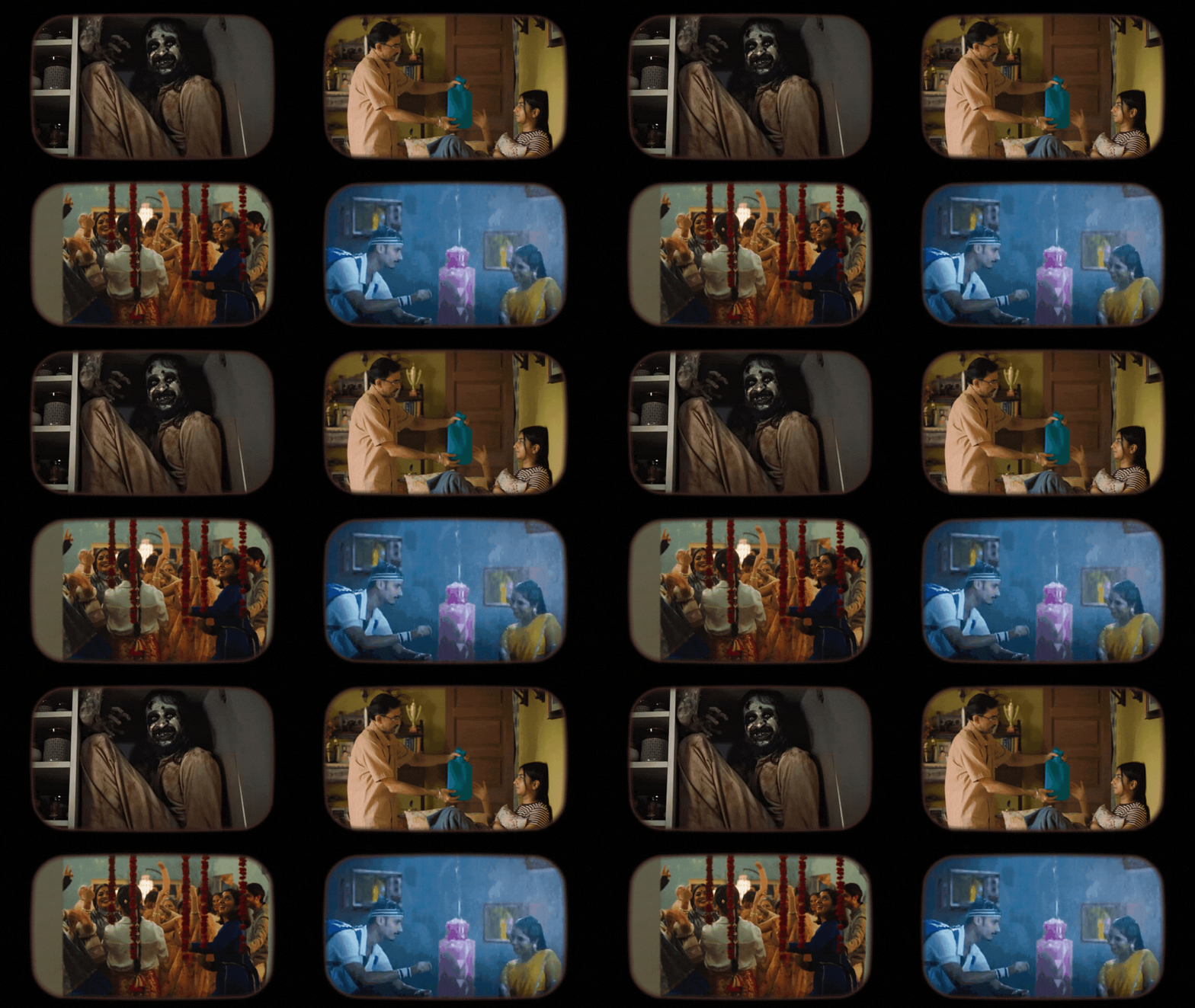
Abhishek Deori, Planner at Toaster INSEA, points to campaigns like Livspace’s ‘Horrific Cabinet Meeting’ and Urban Company’s ‘Filter Toh Pagal Hai’ as examples that embrace cinematic storytelling. Livspace begins as a horror tale but transforms into a comedic take on home interiors. Urban Company stages a melodramatic romance that ends in absurd humor, cleverly promoting a water purifier.
“These campaigns borrow storytelling techniques from cinema while delivering sharp, surprising brand messages,” says Abhishek. This approach is not just artistic but culturally resonant. “Indian audiences are used to stories that blend contrasts. Ads that combine humor, drama, and sentiment feel authentic and engaging.”
The Emotional Advantage in Branding
According to Rashi, this blend of tones and genres builds what DDB calls the “emotional advantage.” Brands that connect emotionally grow stronger, not just in market share but in consumer loyalty.
A strong example is Stayfree’s ‘It’s Just a Period’ campaign. Rather than taking a preachy tone, the ad features young boys navigating the topic of menstruation sensitively. It’s emotionally nuanced and taps into everyday human experiences. “It’s not just an ad; it’s a short film with a soul,” Rashi says.
This kind of storytelling mirrors the emotional richness of Indian cinema. “Advertising today isn’t just about product pitches—it’s about telling stories that resonate, just like the best films,” he concludes.
This article is inspired by content from Original Source. It has been rephrased for originality. Images are credited to the original source.