

Outdated Marketing Tactics in 2026
At the 2026 Ad Age NextGen Marketing Summit, leading voices in the industry gathered to discuss which long-standing marketing strategies have become obsolete—and what’s replacing them. As digital landscapes evolve and consumer expectations shift, marketers are being forced to rethink their approaches across all platforms.
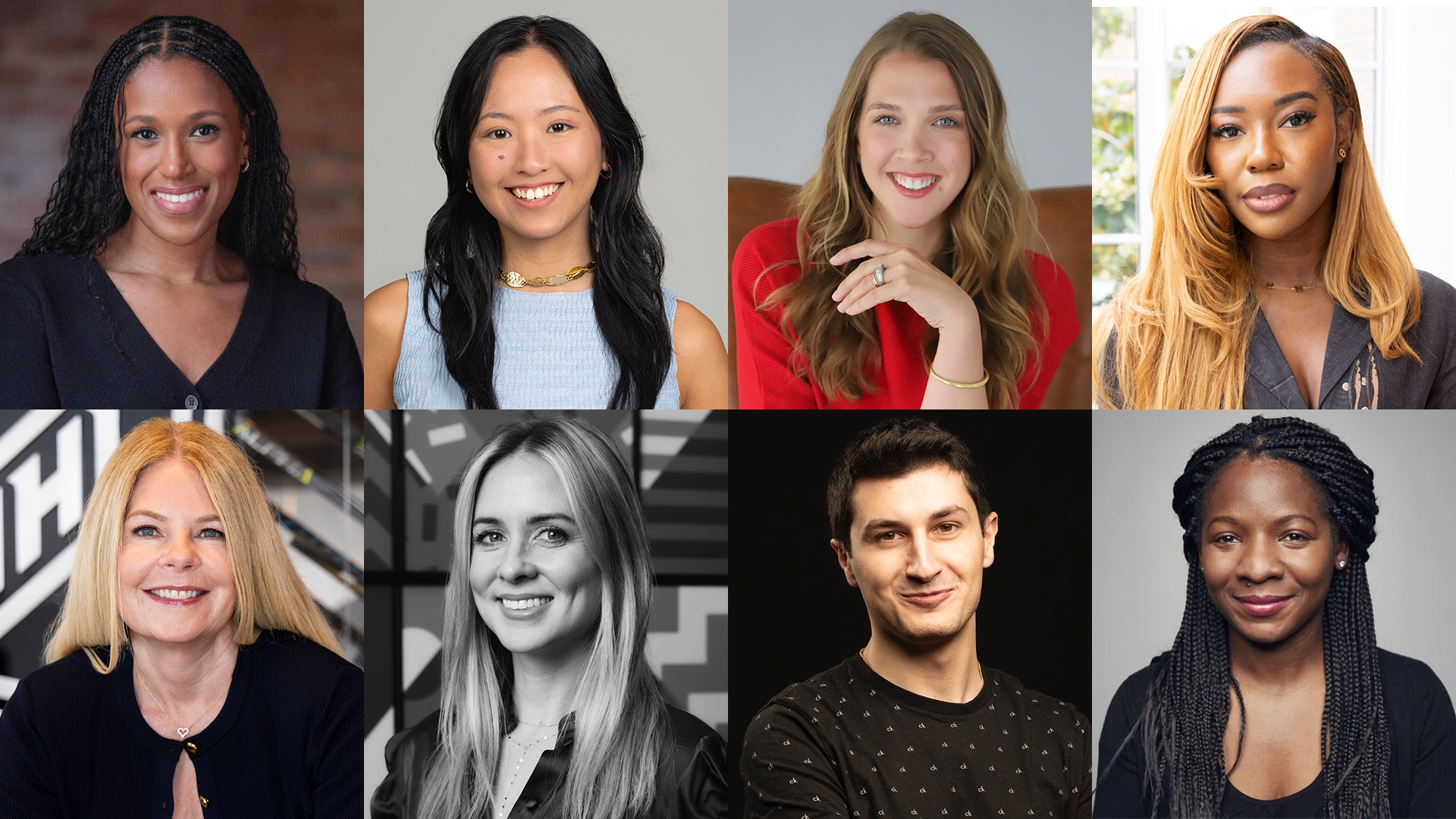
The summit featured insights from top marketing professionals including Sydney Stanback, Gia Lee, Libby Rodney, Olamide Olowe, Heidi Browning, Bridget Evans, Reid Litman, and Tamika Young. Together, they laid out a compelling case for letting go of ineffective tactics and embracing more authentic, data-informed strategies.
Rethinking Traditional Audience Targeting
One of the primary themes was the decline of broad, demographic-based targeting. Marketers once relied heavily on age, gender, and location to segment audiences. However, this method is increasingly proving unreliable in understanding consumer behavior.
Libby Rodney, chief strategy officer at The Harris Poll, emphasized that “identity is no longer fixed.” Consumers are multifaceted, and their preferences change rapidly. Today’s successful brands delve deeper, using psychographics and behavioral data to build more nuanced audience profiles.
Shortcomings of Performance Marketing
While performance marketing once dominated digital ad strategies, many speakers argued that its overuse has led to diminishing returns. According to Heidi Browning, CMO of the NHL, “We’ve become too obsessed with short-term metrics.” She pointed out that focusing solely on click-through rates and conversions can undermine long-term brand equity.
Instead, companies are shifting toward integrated campaigns that balance performance with storytelling. Browning emphasized the importance of creating meaningful content that fosters emotional connections with audiences.
Creator Collaborations Require Evolution
Influencer marketing, once a cutting-edge tactic, is now undergoing a transformation. Generic partnerships that lack authenticity are no longer resonating with audiences. Olamide Olowe, CEO of Topicals, noted that “consumers can spot a scripted post from a mile away.”
Brands are now prioritizing deeper, more collaborative relationships with creators. This means involving them in product development, campaign planning, and even brand strategy. The goal is to co-create content that feels genuine and aligns with both the creator’s voice and the brand’s values.
Format Strategy Must Be Platform-Specific
Another outdated approach discussed was the one-size-fits-all content strategy. In the past, marketers would create a single campaign and distribute it across multiple platforms with minimal adjustments. Today, that strategy falls flat.
Bridget Evans, global brand director at Unilever, stressed that “each platform has its own language and culture.” Success now requires tailoring content to fit the unique nuances of each channel. For instance, a compelling TikTok video may not translate well on LinkedIn or Pinterest.
Emphasizing Community Over Virality
Chasing virality used to be a primary goal for many marketers. But in 2026, brands are finding greater value in building communities. Reid Litman, head of marketing at a major tech startup, explained that “hype fades quickly, but communities foster ongoing engagement.”
Rather than aiming for millions of fleeting impressions, brands are investing in platforms and initiatives that nurture loyal audiences. This includes creating exclusive content, hosting live events, and participating in meaningful conversations.
Data Transparency and Ethical Use
With increasing concerns about privacy and data security, consumers are demanding more transparency from brands. According to Tamika Young, VP of consumer insights at a major retail brand, the days of opaque data collection are over.
“We need to be clear about what data we collect and why,” she said. Brands that fail to disclose their practices risk losing trust. Ethical data use is not only a regulatory necessity but also a competitive advantage in today’s market.
Conclusion: A New Era of Marketing
The 2026 Ad Age NextGen Marketing Summit painted a vivid picture of an industry in transition. As traditional tactics lose their effectiveness, marketers are embracing new strategies that prioritize authenticity, personalization, and ethical engagement.
The speakers underscored the need for agility and innovation. In a rapidly shifting environment, what worked yesterday may not work tomorrow. The key takeaway? Stay connected to your audience, experiment boldly, and never stop evolving.
This article is inspired by content from Original Source. It has been rephrased for originality. Images are credited to the original source.